











































































What Is an Abstract Sculpture?
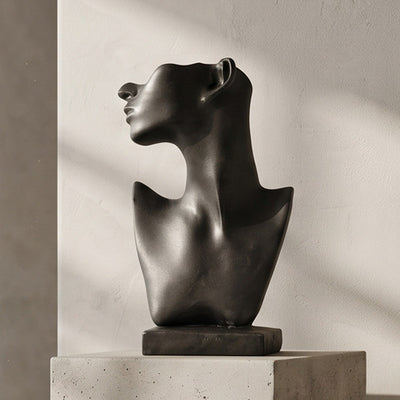
An abstract sculpture is a three-dimensional artwork that communicates through shape, line, mass, texture, and negative space rather than depicting a recognizable person, animal, or object. Instead of copying the visible world, the artist arranges form and material so the viewer responds to rhythm, balance, and contrast directly.
Most abstract sculptures fall into one of three groups:
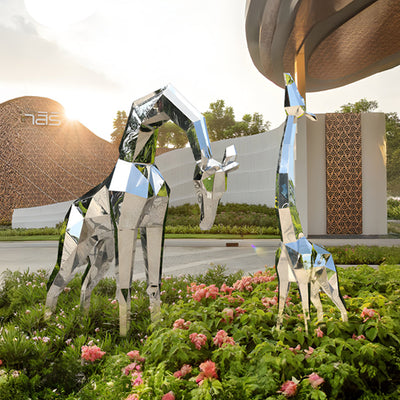
- Geometric abstraction built from cubes, spheres, cones, and clean planes, often in stainless steel or polished bronze.
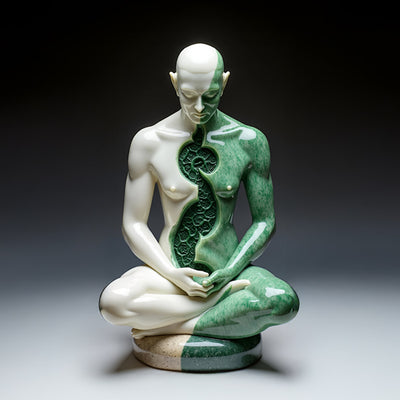
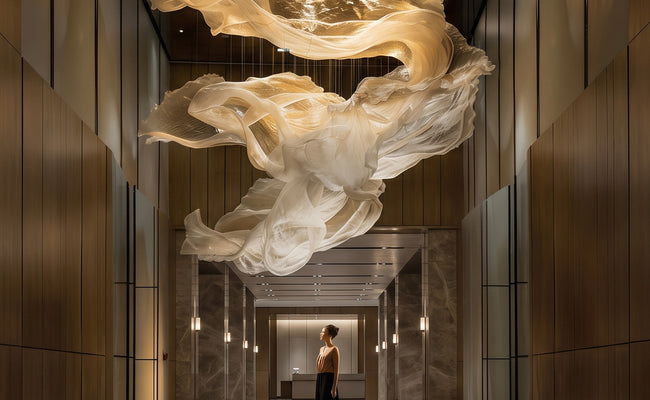
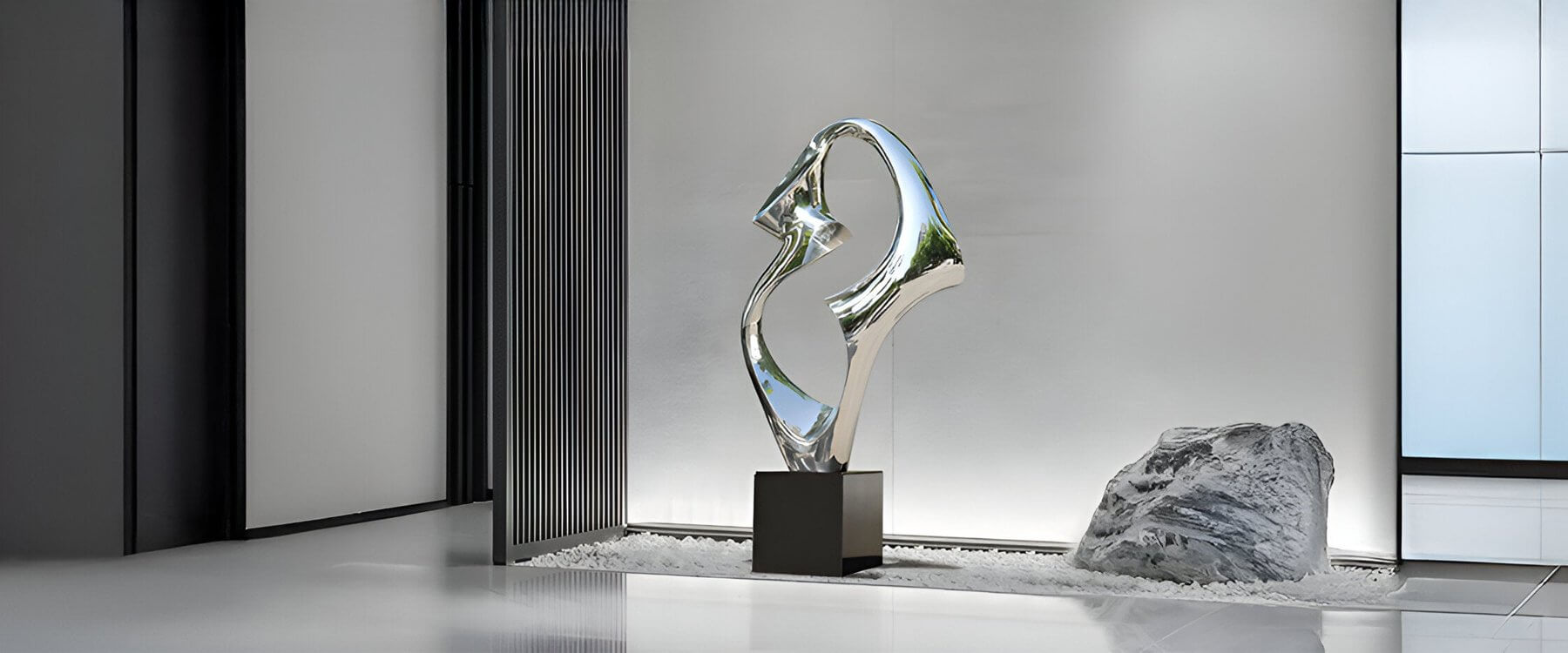
- Organic or biomorphic abstraction using flowing curves and wave-like forms that suggest growth or motion without naming a subject.
- Non-objective abstraction that references nothing outside itself and works purely as composition in space.
Common materials include stainless steel, bronze, Corten steel, aluminum, stone, resin, and wood. Scale ranges from tabletop pieces under 50 cm to outdoor installations several meters tall. Well-known examples include the mobiles of Alexander Calder, the pierced bronzes of Henry Moore, and the polished stainless forms of Anish Kapoor and Constantin Brâncuși's early modernist works.
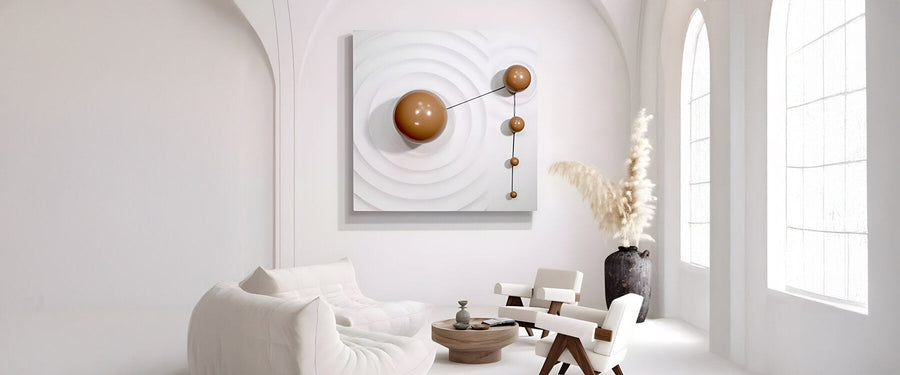
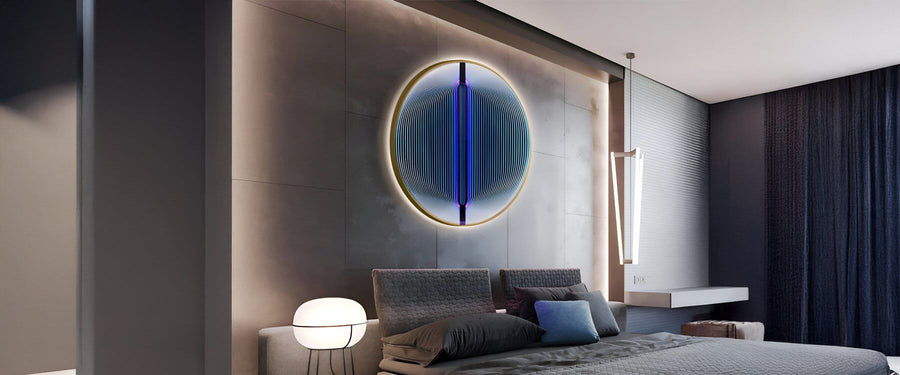
Abstract sculptures have become a standard choice for bold visual impact in contemporary interior design. Because they prioritize form, color, and composition over literal representation, they transform a room into a focal showcase and invite ongoing interpretation. The rest of this guide covers how the form evolved, why it works in modern interiors, and how to choose and place a piece.
Key Takeaways
- An abstract sculpture is a 3D artwork defined by form, line, and texture rather than a recognizable subject.
- Pick a piece sized to the wall or room: aim for roughly two-thirds of the feature wall width.
- Stainless steel and bronze suit indoor settings; specify Corten or marine-grade finishes for outdoor placement.
- Position the sculpture as a single focal point with breathing room on at least three sides.
- Light it deliberately with a directional spot or wash to bring out texture and cast shadow.
- Match the form to the room's geometry: organic curves soften minimalism, geometric shapes anchor eclectic spaces.

How Abstract Sculpture Evolved
Abstract sculpture emerged in the early twentieth century as artists questioned the limits of representational form. Brâncuși's Bird in Space (1923) reduced a bird to a single polished curve. Calder introduced the moving mobile in the 1930s. Moore opened the figure with voids and negative space through the 1940s and 1950s.
Defining Abstract Art in Sculpture
At its core, abstract sculpture explores creative expression through non-representational forms. Artists work with balance, contrast, and movement across stone, metal, wood, and resin. Modern studios add stainless steel sculptures finished by hand polish or brushed grain. The result spans minimalist single-gesture pieces to layered installations that anchor a room.
From Modernism to Contemporary Practice
The field has since absorbed digital modeling, CNC fabrication, and large-format 3D techniques, allowing forms that would have been impossible to cast or carve a century ago. Today's abstract sculpture carries the legacy of early modernism while pushing into new materials and scales for both private interiors and public art.

Why Abstract Sculptures Work as Statement Pieces
Abstract sculptures transform spaces and hold attention because their forms are unfamiliar enough to reward a second look. That makes them effective focal pieces for modern interiors.
Visual Impact and Bold Design
Strong shapes and contrast give abstract work its pull. Placed on a feature wall or in an entryway, a single piece defines the mood of the room. A large stainless steel work or a geometric sculpture sets the tone for the whole space.
Emotional and Intellectual Engagement
Because the form is open, viewers bring their own reading. That dialogue between work and observer adds value beyond decoration and is one reason collectors return to abstract pieces.
Versatility in Modern Interiors
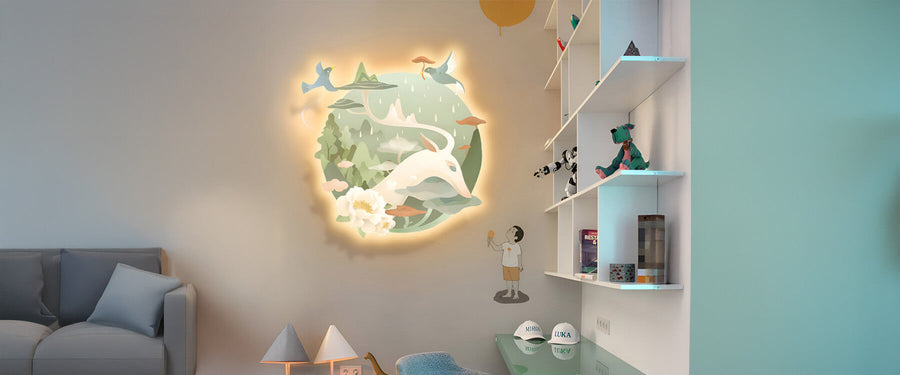
Abstract designs sit comfortably across minimalist, contemporary, eclectic, and avant-garde rooms. They work as living-room centerpieces, hallway accents, or anchor pieces in commercial spaces.

Benefits of Adding Abstract Sculpture to Modern Interiors
Beyond looks, an abstract piece changes how a room reads and how people use it.
Elevating Aesthetic Appeal
A well-chosen abstract sculpture turns a plain space into a composed one. It acts as a visual anchor that ties seating, lighting, and wall finishes together.
Creating a Sense of Depth and Space
The play of light and shadow across a curved or faceted form changes the perceived volume of a room. Used well, a sculpture can balance a long hallway or open up a compact corner.
Sparking Conversation
Because abstract work invites interpretation, it gives guests something to talk about. For collectors, that ongoing engagement is part of the long-term value of the piece.

How to Choose and Place an Abstract Sculpture
Getting the result right comes down to scale, placement, and light.
Selecting the Right Piece
Match scale, material, and color to the room. Decide between geometric forms with sharp lines and modern sculptures with fluid, organic shapes. The piece should add to the room without crowding it.
Optimal Placement
Place the work where it can read as the main focal point, usually against a clean wall or in a sightline from the entry. In larger rooms, one strong piece defines the space. In smaller rooms, a tight grouping of two or three smaller works can act as a single composition. Plan lighting from the start: a directional spot at roughly 30 degrees brings out texture and shadow.
Complementing Your Decor
Coordinate the sculpture's finish and palette with nearby furniture and wall color. The goal is a balanced composition where every element contributes and nothing competes.
Maintaining Visual Harmony
Give the piece room to breathe on at least three sides. Negative space is part of how an abstract sculpture works, so resist clustering objects around its base.

Conclusion
An abstract sculpture is a non-representational three-dimensional artwork that earns its place through form, material, and the space around it. Choose a scale that matches the room, a finish that suits indoor or outdoor conditions, and a placement that lets the piece breathe. Browse curated abstract collections at Giant Sculptures to find a piece that fits your space.