



















































































Why Dining Room Art Matters
Dining rooms are more than just a place to eat, they're where you catch up with family, host friends, or simply enjoy a quiet coffee. That's why the right dining room art matters. It shapes the mood, sets the tone for your gatherings, and adds character to a space that often gets overlooked in home design.
Key Takeaways
- Hang artwork so its center sits about 145cm from the floor, adjusting up for high ceilings.
- Pick pieces that span two-thirds to three-quarters of the furniture width below them.
- Leave 15-20cm between the top of a sideboard and the bottom of the frame.
- In small dining rooms, choose one vertical piece or a tight gallery with light tones.
- For gallery walls, space frames roughly 5cm apart and plan the layout with painter's tape first.
While furniture sets the foundation, art is what brings the room to life. Whether it's a bold canvas that sparks conversation or a subtle piece that softens the atmosphere, wall art for dining rooms transforms flat spaces into ones that feel layered and intentional.
From abstract canvases to vintage prints, finding the right dining room wall decor comes down to asking the right questions. So let's break it down.

1. What's the Ideal Size for Dining Room Wall Art?
When it comes to size, balance is everything. Oversized art can overwhelm, while pieces that are too small get lost. A good rule of thumb is to choose artwork that covers about two-thirds to three-quarters of the width of the furniture it hangs above, especially if it's over a buffet or sideboard.
For a wall without furniture, consider the overall dimensions of the wall itself. Large walls can handle substantial dining room paintings, while narrower spaces might benefit from vertical, diptych, or triptych arrangements.
If you're planning a gallery wall, group smaller pieces close together, about 5-7cm apart, to make them feel like a unified visual element rather than scattered frames.
2. How High Should You Hang Dining Room Art?
The sweet spot for hanging art is eye level, roughly 145cm from the floor to the artwork's centre. But context matters. If your dining room has a high ceiling or wainscoting, you'll need to adjust.
For art above a piece of furniture like a console or bench, leave about 15-20cm of space between the top of the furniture and the bottom of the frame. This keeps things grounded and cohesive.

3. Should Dining Room Art Match the Furniture?
Matching doesn't mean everything has to be the same colour or style. It's more about creating visual flow. The art should complement the tones, textures, or mood of the furniture rather than clash with it.
For example, if your table and chairs are sleek and modern, you might lean into minimalistic or abstract art. If your dining set is vintage or rustic, framed botanical prints or classic oil paintings could work beautifully.
Use artwork to tie together your dining room colour palette. If your chairs are navy and your rug has a gold thread, find a canvas that echoes those tones without feeling too on-the-nose.
4. Is Abstract Art Suitable for Dining Rooms?
Absolutely. Abstract art works particularly well in dining spaces because it allows flexibility in interpretation, it doesn't distract, but it does intrigue.
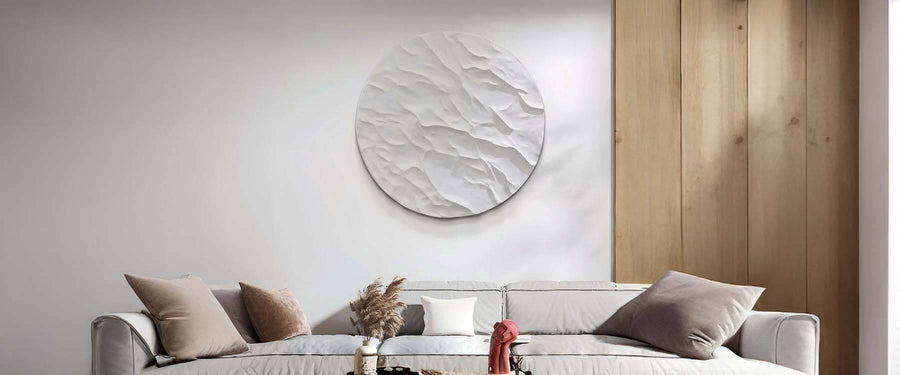
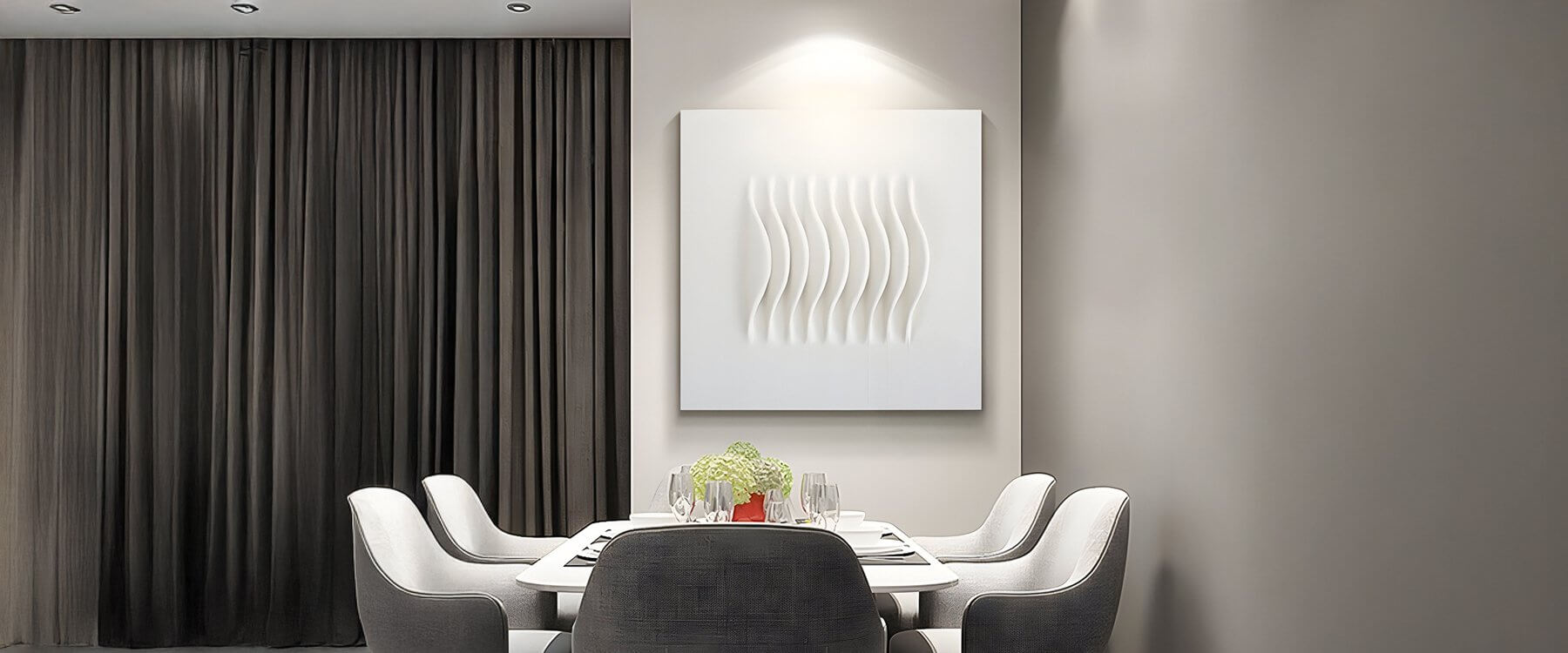
In rooms with a more modern aesthetic, a large-scale abstract piece can anchor the space without overwhelming it. For minimalist or Scandinavian designs, choose softer tones and flowing lines. For bolder spaces, vibrant geometric forms or textural abstract canvas art can make a confident statement.

5. Framed or Unframed - Which Works Best?
Both options can work well, it just depends on the look you're going for. Framed pieces tend to feel more traditional and finished, especially in formal dining rooms. Black, gold, or wood frames can echo furniture tones and add structure to your wall.
Unframed canvas art, on the other hand, offers a more relaxed, contemporary feel. It's a great choice if you want a cleaner look or are working with a gallery wall setup where too many frames might feel heavy.
Mixing both can also work, just be intentional with layout and spacing.
6. What Art Styles Complement Small Dining Rooms?
In tighter spaces, less is more. Choose art that enhances the sense of space, this might be a single vertical piece that draws the eye up or mirrored wall art that reflects light.
Line drawings, minimalist photography, and soft abstract works all add interest without overwhelming. Stick to lighter colours or subtle contrast to keep the room feeling open. Gallery walls can still work in small dining rooms, just limit the number of pieces and use smaller frames.

7. Can Dining Room Art Coordinate with Kitchen Decor?
If your dining area is open to the kitchen, linking the spaces visually creates flow. That doesn't mean matching pieces, but shared colours, themes, or framing styles can go a long way.
For example, if your kitchen features black and white photography, echo that with monochrome artwork in the dining room. If there's lots of natural wood in the kitchen, choose canvas art with warm tones or timber frames for continuity.
Keep each area distinct, but let them feel like part of the same home story.
8. How to Select Art That Sparks Conversation?
Dining rooms are social spaces, so why not pick pieces that draw attention and curiosity?
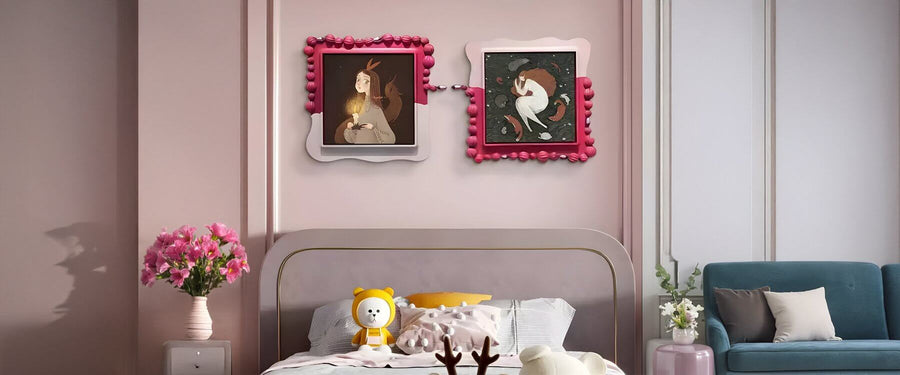
Figurative art, bold abstract work, or even quirky typographic prints often get people talking. You might also choose artwork with personal meaning, something from a local artist, a vintage find, or a custom piece that reflects your story.
The goal is to strike a balance: visually interesting without feeling distracting. The best dining room artwork invites a second look without dominating the room.

9. Can Vintage Art Fit in Modern Dining Rooms?
Vintage pieces can absolutely work in modern settings, when done with intention. The key is contrast.
Pairing an old-world painting with a minimalist dining table creates an appealing tension. A vintage map or still life can add warmth to a room with sharp lines and neutral tones. Framing can help blend the styles, using a modern black or metal frame can make older art feel at home in a contemporary space.
Think of it as layering stories: the new and the old coexisting to create depth.
10. How to Create a Gallery Wall in the Dining Room?
A gallery wall is one of the best ways to add personality to your dining space, but it needs a plan.
Step 1: Choose a Theme or Mood
Stick with a unifying element, this could be a colour palette, subject matter (like travel or nature), or even frame style.
Step 2: Lay It Out Before Hanging
Use painter's tape or cut-outs of each piece to test layouts on the wall. Maintain consistent spacing, usually around 5cm between frames.
Step 3: Mix It Up
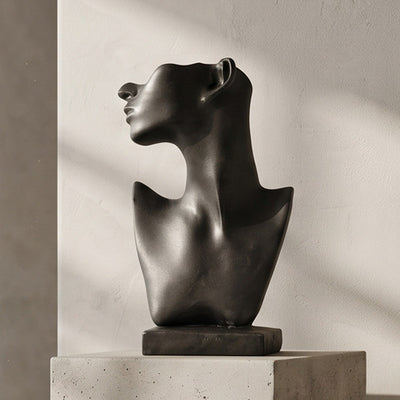
Combine sizes and orientations for interest. Try pairing canvas art with framed pieces, or add a sculptural element for texture.
Step 4: Anchor the Layout
If possible, centre the arrangement above a piece of furniture like a console or dining table for visual grounding.
Done right, a gallery wall can turn a blank dining room wall into a curated focal point that reflects your personality and style.

Bringing It All Together
Dining room art doesn't have to be complicated, but it should be considered. Whether you prefer bold abstract pieces, calm canvas prints, or vintage treasures, choosing the right art helps your space feel intentional and inviting.
Size, placement, and style all play a role in how art transforms your dining experience. And at the end of the day, your walls should tell your story, through colour, texture, and thoughtful details.
If you're ready to bring new energy into your dining space, explore our curated collection of dining room artwork at Giant Sculptures. Find pieces that resonate, spark conversation, and make every meal feel just a little more special.