

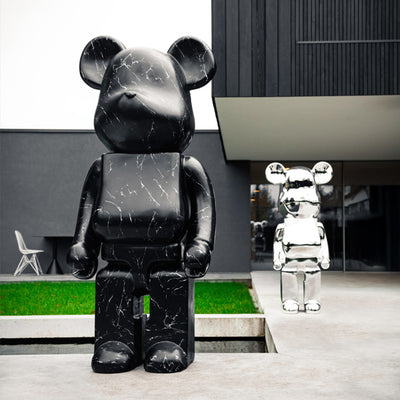

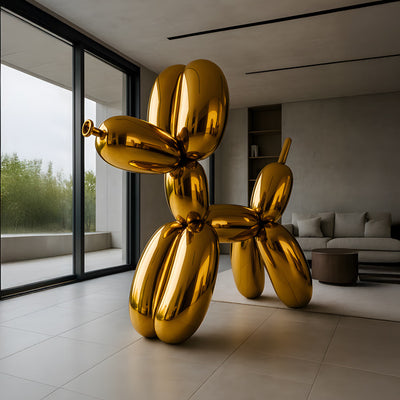
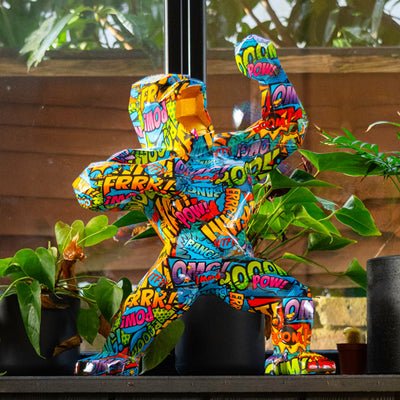
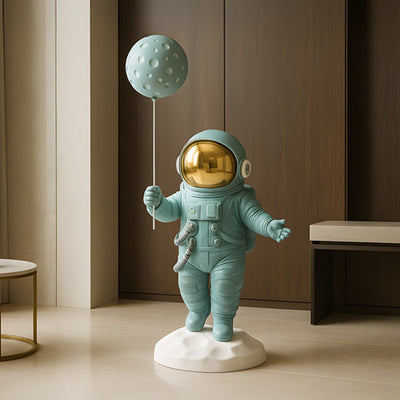

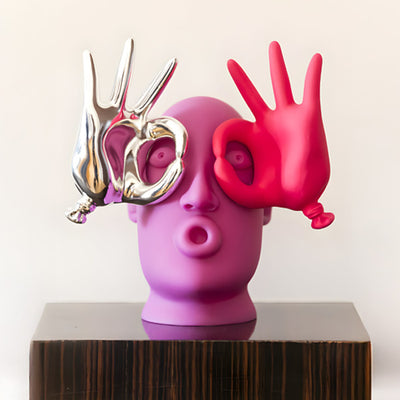



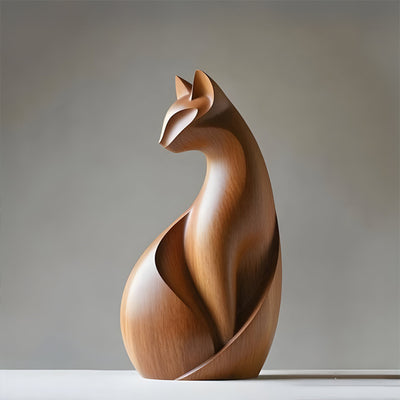


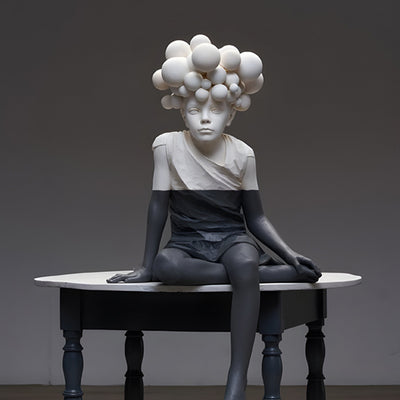

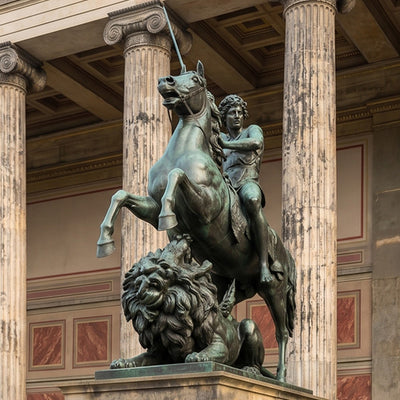


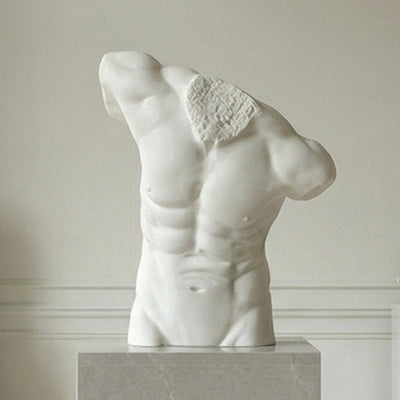


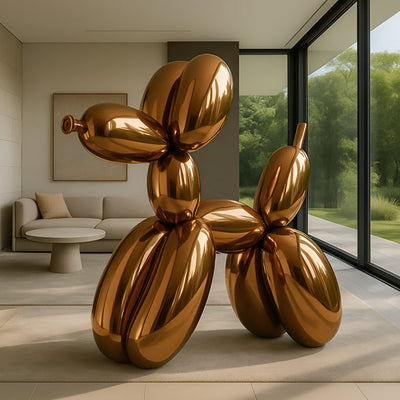
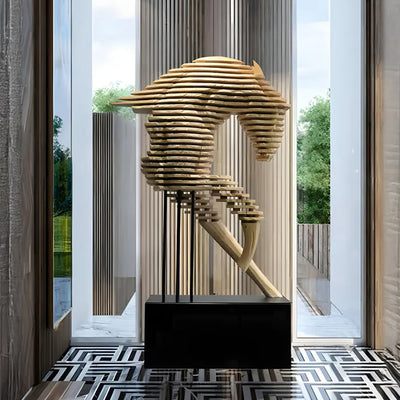


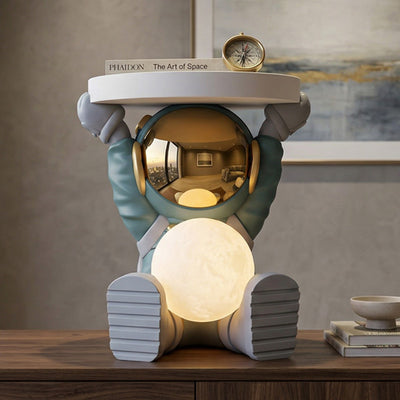



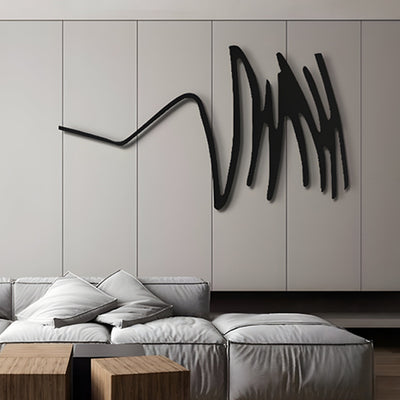


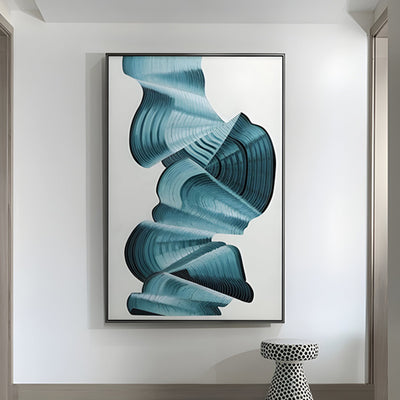
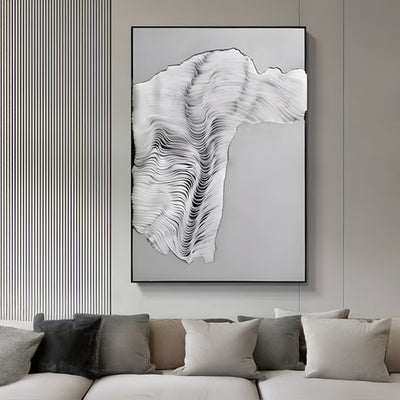
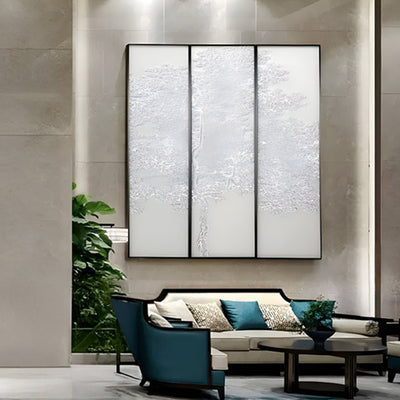
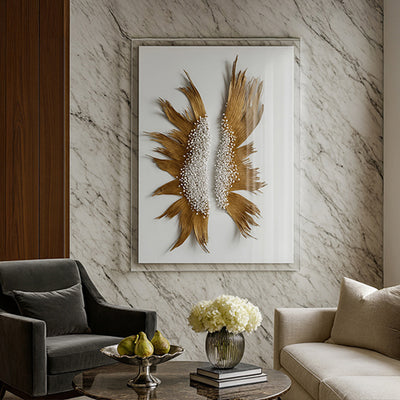
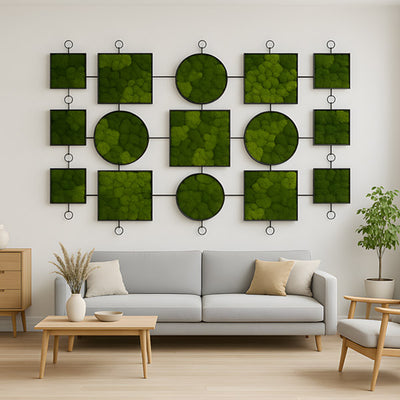
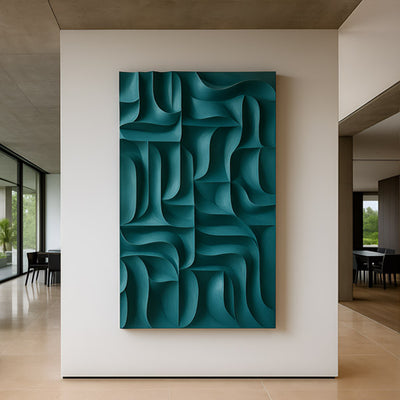
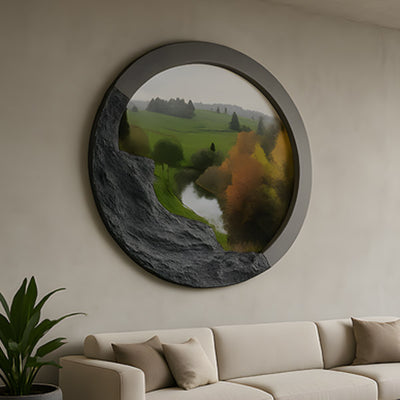
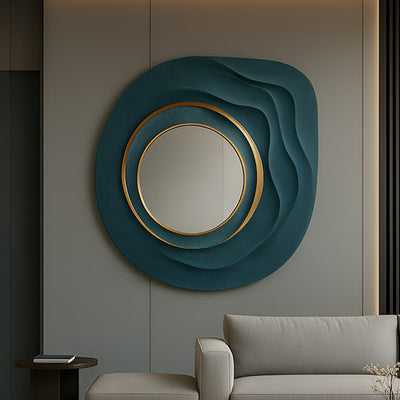








Walk into a well-designed room and the abstract sculpture is usually the object you cannot quite explain, yet cannot stop looking at. That is the point. A figurative bronze tells you what it is in the first half-second; an abstract piece asks you to keep negotiating with it. For collectors, designers and architects, that ongoing tension is the whole reason to buy one. This guide is for anyone weighing a first serious purchase, planning a commission, or trying to decide whether such a piece is the right anchor for a courtyard, lobby or living room.

Quick Answer: Abstract Sculpture at a Glance
- What it is: Three-dimensional work that prioritises form, mass, line and material over literal representation.
- Best for: Modern and transitional interiors, contemporary gardens, corporate lobbies, hospitality venues, sculpture parks.
- Strongest materials at scale: Bronze, stainless steel, Corten steel, carved stone, and selectively, abstract wood sculpture for interior work.
- Where it works hardest: Sightlines, arrival moments, courtyards, stair landings, pool terraces, double-height walls.
- Budget driver: Material, scale, engineering, finish and installation, not the style label.

What Is Abstract Sculpture, Really?
Ask ten curators for a definition and you will get ten slightly different answers, but the working idea we use in the studio is simple: a sculpture is abstract when the form is the subject. The artist is not trying to show you a horse or a saint. They are working with mass, void, balance, curve, and the way light moves over a surface. Some abstract work is fully non-representational, meaning there is no real-world reference at all. Other pieces are reductive, starting from a figure or landscape and stripping it down until only the essential gesture remains.
That second category is often what people mean by an abstract figure sculpture. Think of an elongated standing form where you can still read a head, shoulders and stance, but the artist has refused to give you a face or a costume. The viewer fills in the rest. Henry Moore's reclining figures, Brancusi's bird forms and Barbara Hepworth's pierced ovoids are the touchstones here, and they remain among the most famous works in the genre for good reason: they prove that restraint, not detail, is what carries weight.
Who Abstract Art Sculptures Suit Best
Abstract art sculptures suit buyers who want a piece that earns its place over years rather than charming everyone on day one. They reward homeowners with strong architecture (clean stone floors, generous glazing, considered planting), commercial clients who need a confident centerpiece without telling a literal story, and collectors building a contemporary group where a figurative bronze would feel out of step. If your interior already leans traditional, a non-representational piece can still work, but you usually need to commit to it as a deliberate counterpoint rather than a soft addition.
Materials, Finishes and Scale Decisions
Material is where most commissions are won or lost. The same form in patinated bronze, mirror-polished stainless steel and weathered Corten will read as three completely different pieces, and each will age on a different timeline.
Bronze
Bronze remains the default for serious work in this style. It holds fine surface detail, takes a wide range of patinas (deep brown, green verdigris, near-black, warm gold), and outlives the building it sits in front of. For interior figure pieces and outdoor work alike, bronze gives you weight, presence and a quiet luxury that other materials struggle to match. Our bronze collection is a good starting point if you want to see how patina and form interact at different scales.
Stainless Steel
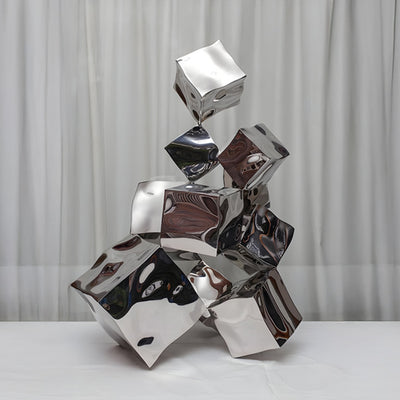
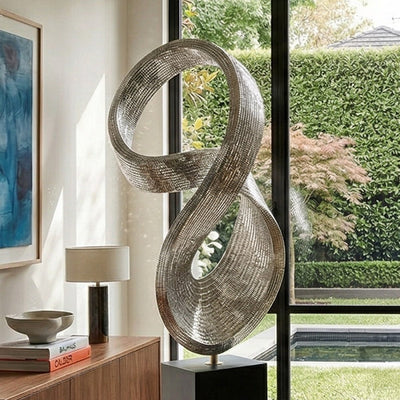
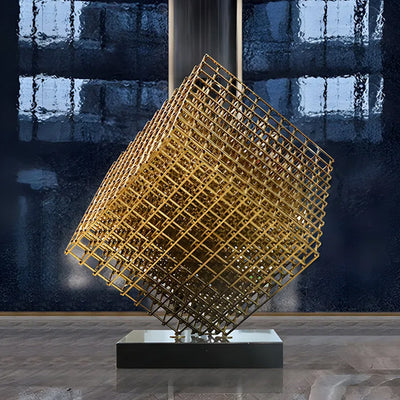
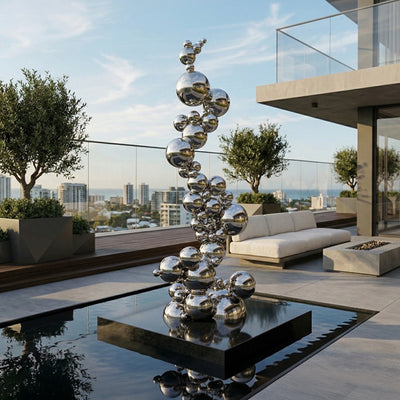
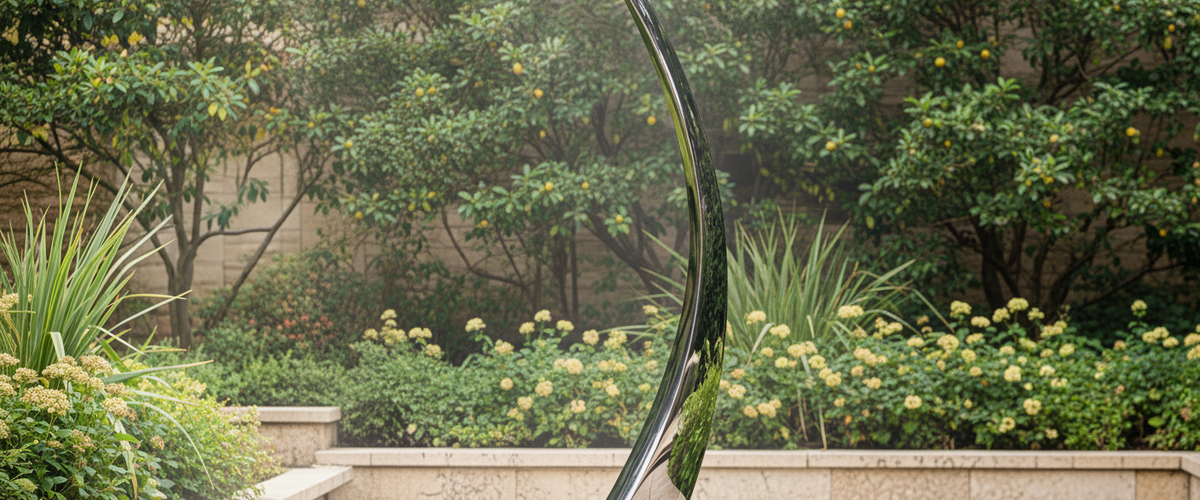
Stainless steel is the material of choice when you want light to do the work. A mirror-polished surface throws the sky, planting and architecture back at the viewer, so the sculpture changes every hour. A brushed or satin finish reads quieter and pairs well with concrete and limestone. For a courtyard piece that holds the space with a single curved gesture rather than crowding it, something like the Crescent Abstract Steel Outdoor Sculpture at around 4 feet (120 cm) is the right scale of intervention. Where the brief is interior and the room wants warmth rather than cool industrial steel, a smaller copper-toned form such as the Aurora Copper Organic Abstract Steel Sculpture at roughly 29 inches (74 cm) shifts the mood without losing the optical play of polished metal.
Corten and Carved Stone
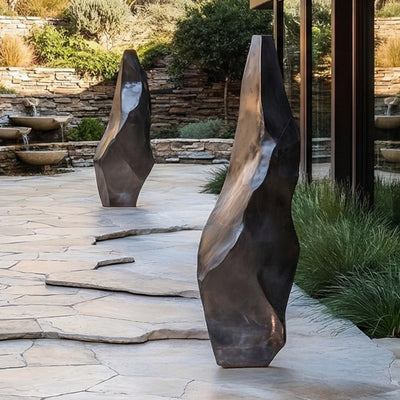
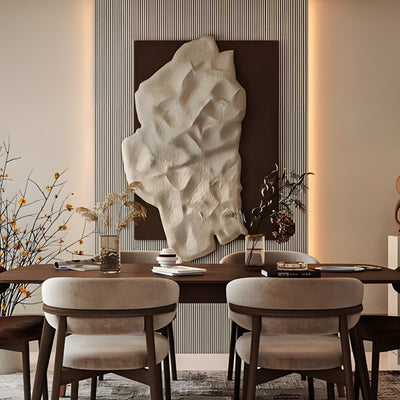
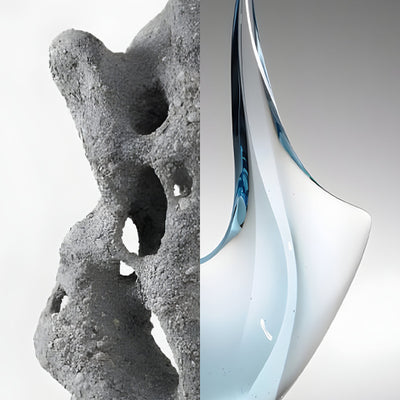
Corten steel is the right call for garden and architectural settings where you want a sculpture that reads as part of the land. The rust-toned patina stabilises over the first couple of years and then holds for decades, which is why weathering steel has become a standard for outdoor sculpture parks and museum grounds (see americanart.si.edu). Carved stone (limestone, granite, marble) is the opposite move: slow, heavy, permanent, and best suited to clients who want a piece that feels excavated rather than fabricated. Where the brief leans toward landscape-derived form rather than pure geometry, a resin or stone-cast piece like the Slate Grey Abstract Mountain Valley Sculpture at 61 cm shows how a quieter, terrain-inspired silhouette sits against planting and gravel.
Abstract Wood Sculpture
An abstract wood sculpture is the quiet option, and often the most personal. Carved oak, walnut, ash or reclaimed hardwoods bring grain, warmth and a tactile quality that metal cannot replicate. Wood is best kept indoors or under a sheltered loggia; for fully exposed exteriors we will usually steer clients toward bronze or steel with a wood-inspired form instead.
Scale
Scale is the single most common mistake we see. Buyers measure the floor space and forget the volume above the piece. As a rough working rule, a freestanding form in a living room wants to clear 4 to 5 feet (1.2 to 1.5 m) to register properly; a garden or courtyard piece usually starts at 6 feet (1.8 m) and climbs from there. Weight matters too. A 6 foot bronze can easily run 300 to 600 pounds (135 to 270 kg), which affects floor loading, plinth design and installation access.
Where to Place Abstract Sculpture for Real Impact
For wider placement ideas, Abstract Art Made Simple: How to Decorate Every Room is useful companion reading before finalising the setting and sightlines.
The best abstract sculptures ever made are almost always sited as deliberately as they are sculpted. Placement is half the work.
- Arrival moments. A driveway turn, a front courtyard, the first view through a glazed entry. The sculpture becomes the punctuation mark before the building.
- Sightlines from the kitchen or living room. Frame the piece through a window so it earns its keep from inside as well as outside. We have shipped pieces to homes where the work is positioned specifically for the view from the breakfast counter, not the lawn.
- Pool terraces and water edges. Mirror-polished stainless steel near water is hard to beat; the surface picks up ripple light all day.
- Stair landings and double-height walls. A vertical form holds the volume of a tall interior far better than wall art alone.
- Sculpture gardens and planted clearings. Give the piece a circulation loop so visitors can walk around it. Non-representational work in particular needs to be read from multiple angles to make sense.
Avoid the corner-of-the-room default. A piece pushed into a corner reads as decoration; the same work centered on a sightline reads as art.
Budget, Commissioning and Delivery
Pricing depends on material, scale, structural engineering, surface finishing and installation, not on the style itself. A 3 foot patinated bronze, a 7 foot polished steel form and a carved granite monolith will all sit in very different commission bands. Rather than quote ranges that mislead, we work to a tailored quote for each project once we understand the brief, the site and the timeline.
For a bespoke commission, the practical timeline usually breaks down as concept and sketching, scale model or maquette approval, fabrication or casting, finishing and patination, then crating and freight. International shipping to the US, Middle East or Asia adds lead time for customs and last-mile rigging, especially for pieces that need a crane or split-section installation. Build that into your project schedule early; sculpture is almost always the long-lead item on a landscape or interiors program.
Buyer Checklist Before You Commit
- Confirm the final viewing distance and dominant sightline.
- Decide indoor, outdoor, or sheltered, and match the material to that environment.
- Check floor loading or footing requirements for the weight class.
- Agree the finish in person or on a sample, not from a screen.
- Plan installation access (door widths, gate clearances, crane positions) before fabrication starts.
- Ask about long-term care: patina re-waxing for bronze, polishing for steel, sealing for stone.
How Giant Sculptures Approaches Bespoke Abstract Work
Giant Sculptures works as a bespoke supplier for private clients, designers, architects and venues worldwide. Most of our commissions start with a conversation about the site and the feeling the client wants the piece to hold, not with a catalog. From there we move to sketches, then a scale maquette, then fabrication in bronze, stainless steel, Corten or stone depending on the brief. We also keep a working selection of ready pieces in our abstract sculptures collection for clients who want a faster route to installation, and a broader garden statues range when the project calls for a mix of contemporary and classical work in the same scheme.
The thing we tell every new client: buy the piece you will still want to walk around in ten years. A well-chosen abstract sculpture is a long conversation. The right one keeps giving you something new every season.