































































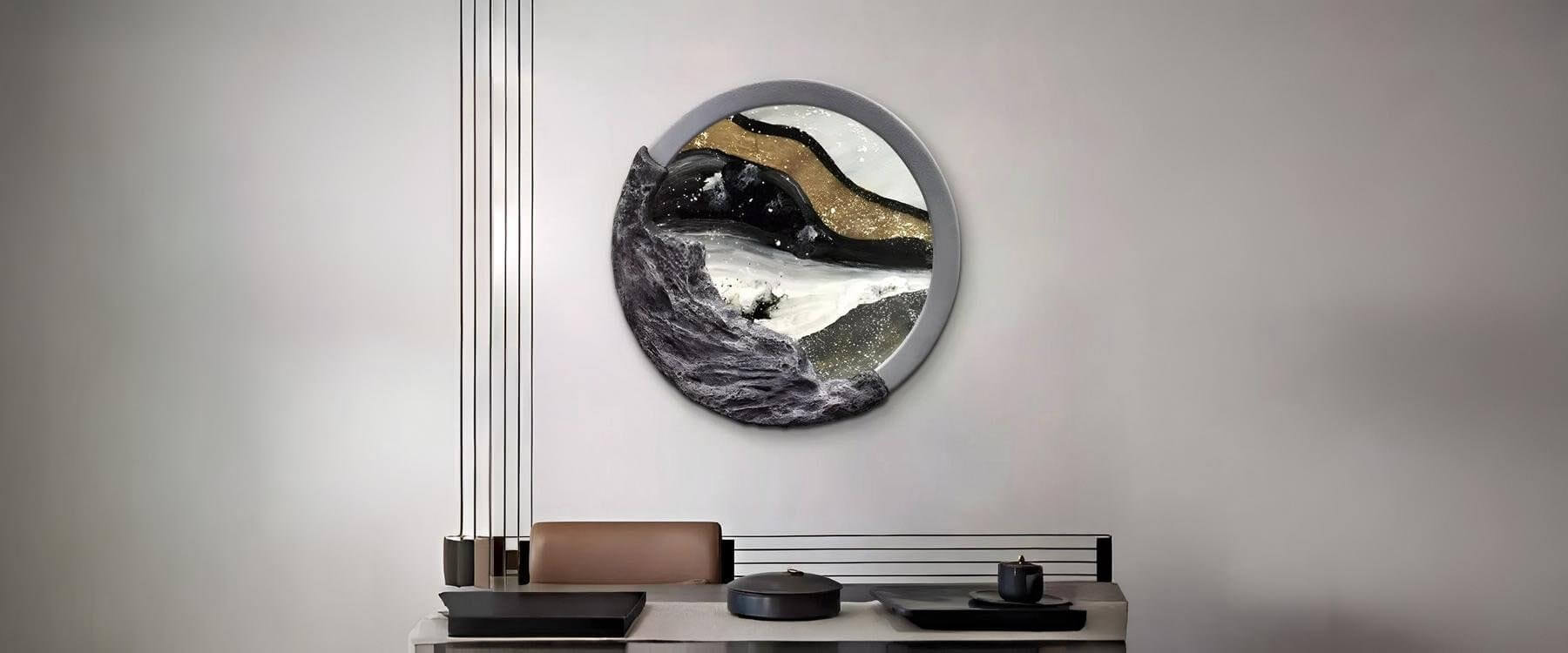

Creating a productive and welcoming workplace goes far beyond desks and lighting. The visual environment also plays a major role in how people think, collaborate, and feel throughout the day. One of the most effective ways to shape that environment is through office art.
When chosen carefully, artwork can transform a dull office into a space that reflects creativity, professionalism, and purpose. It influences mood, strengthens brand identity, and makes the workplace more enjoyable for employees and visitors alike.
However, choosing the right artwork for a workspace is not always straightforward. Offices vary in layout, culture, and design style, which means artwork must be selected with intention. This guide explains how to choose office art that suits your workspace while supporting both aesthetics and functionality.

Understand the Purpose of Office Art in the Workplace
Before selecting any artwork, it helps to understand why office art matters in the first place. Art in professional environments serves more than a decorative role.
In many workplaces, art contributes to employee wellbeing and productivity. A thoughtfully designed space can help employees feel more relaxed and focused. Visual elements stimulate creativity and encourage a sense of pride in the workplace.
For businesses, artwork also communicates brand values. Clients and visitors often form their first impression of a company through the reception area or meeting rooms. Carefully chosen art can reinforce professionalism, creativity, or innovation depending on the company’s identity.
For example, modern technology companies often choose bold and contemporary pieces, while traditional organisations may prefer more classic and refined artwork. The goal is to ensure that the artwork reflects both the atmosphere of the workspace and the message the company wants to communicate.
Consider the Overall Design of Your Workspace
A common mistake when selecting office art is choosing pieces that do not match the overall design of the workspace. Artwork should complement the existing environment rather than compete with it.
Start by evaluating the current style of the office. Consider the colours, furniture materials, and architectural features already present. If the workspace has a modern and minimalist design, clean lines and simple artwork will feel more natural. On the other hand, offices with traditional interiors may benefit from framed artwork or classical pieces.
Colour also plays an important role. Art can either blend with the existing palette or introduce contrast to make certain areas stand out. In collaborative spaces, vibrant colours can energise employees and encourage creativity. In quieter areas such as private offices, softer tones may create a calmer atmosphere.
When the design elements work together, artwork becomes part of a cohesive visual experience rather than an afterthought.

Choose Artwork That Reflects Your Brand Identity
The workplace environment is an extension of the company itself. This means the artwork displayed in the office should reflect the organisation’s values and culture.
For example, companies focused on innovation often display bold contemporary pieces that symbolise creativity and forward thinking. Businesses in the financial or legal sectors might choose artwork that communicates stability and professionalism.
Another option is to incorporate subtle brand elements into the artwork. Colours from the company logo or themes related to the industry can be used to create visual consistency throughout the workspace.
Art can also tell a story about the company’s journey or mission. Some organisations choose artwork that represents their location, community, or heritage. When employees see meaningful visuals around them, it strengthens their connection to the workplace.
In this way, office art becomes more than decoration; it becomes a visual representation of company culture.
Select the Right Type of Office Art
There are many different forms of office art, and each can create a different atmosphere in the workspace. Choosing the right style depends on both the purpose of the space and the impression you want to create. When the style of the artwork aligns with the environment, it enhances the overall design and helps the workspace feel more intentional and visually balanced.
Some popular options include:
Abstract-inspired designs that introduce colour and movement without distracting employees from their tasks
Canvas pieces that create bold visual statements in reception areas or meeting rooms
Photography prints featuring landscapes or architecture that bring a sense of calm to busy work environments
Typography artwork displaying motivational messages for collaborative spaces
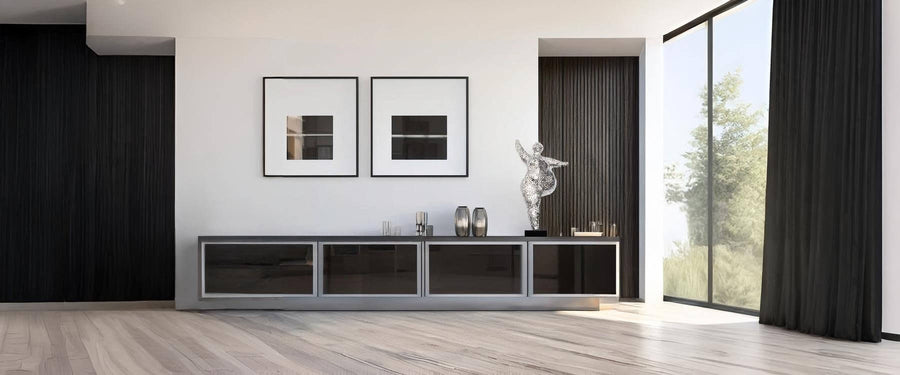
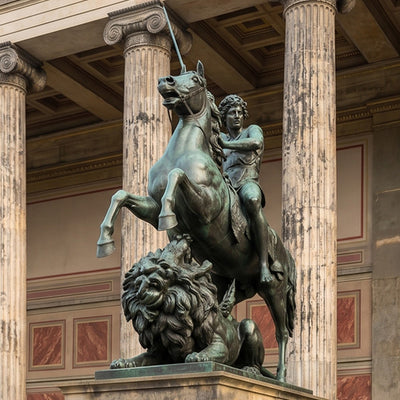
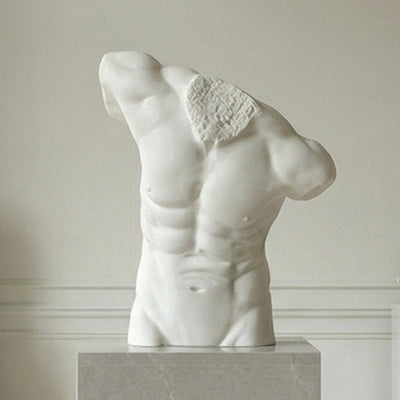
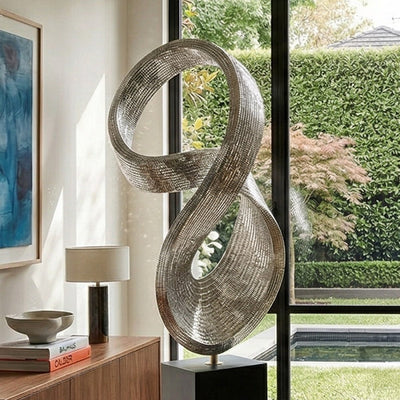
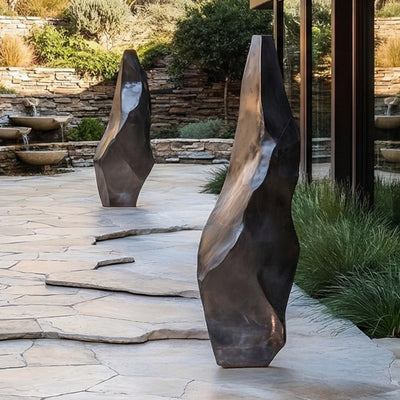
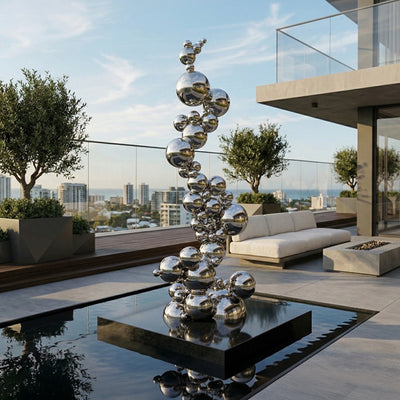
Large statement sculptures or installations that act as focal points in open offices
Many modern workplaces favour contemporary styles such as canvas art, which adds depth and visual interest while maintaining a clean and professional appearance. These pieces are often used to highlight key areas of the workspace, such as reception walls, boardrooms, or collaborative zones.
Selecting the right format ensures that the office art enhances the environment rather than overwhelming it. When the style of the artwork complements the design of the workspace, it contributes to a cohesive and professional atmosphere.

Think About Placement and Scale
Placement is just as important as the artwork itself. Even the most beautiful piece can lose its impact if it is positioned incorrectly.
Large walls in reception areas or conference rooms often benefit from statement artwork. A large canvas or sculpture can immediately capture attention and establish the character of the space.
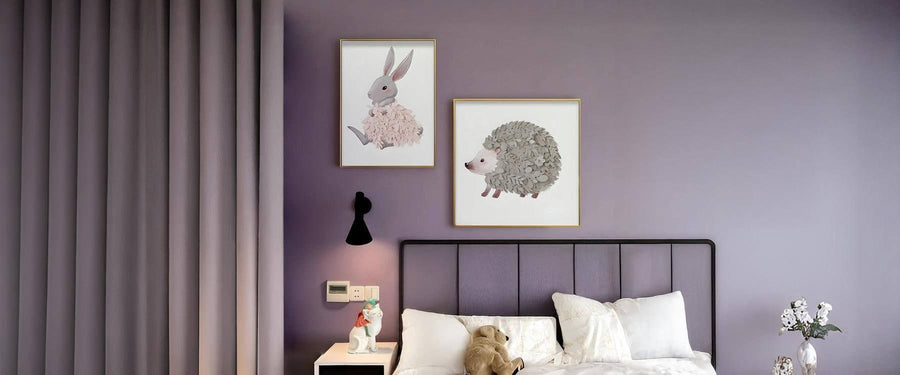
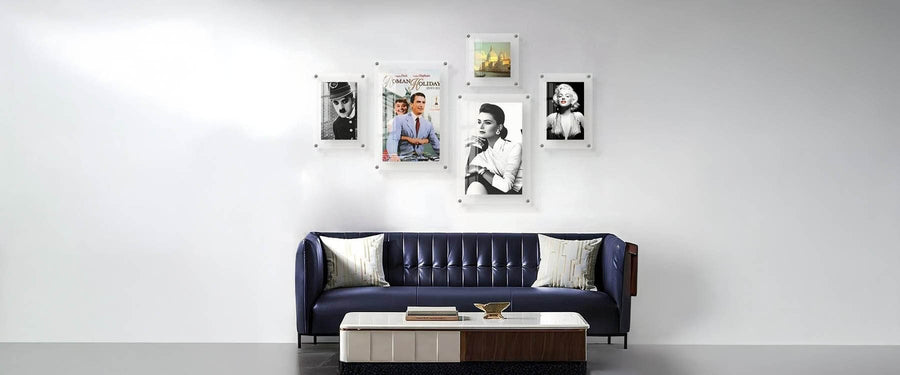
In contrast, smaller pieces may work better in hallways or individual offices. Arranging several artworks together in a gallery wall can create visual interest without dominating the room.
When deciding where to place office art, consider how people move through the workspace. Artwork should be visible from natural viewing angles and placed at eye level whenever possible. This ensures that employees and visitors can fully appreciate it as they move through the environment.
Lighting also affects how artwork appears. Natural light can highlight colours and textures, while well-placed spotlights can emphasise key pieces in important areas.
Choose Colours That Influence Mood
Offices that rely on neutral palettes often incorporate abstract art because it introduces colour and texture without overwhelming the space. This makes colour selection an important part of choosing office art.
Different colours create different psychological responses:
Blue tones often promote calmness and concentration, making them suitable for focused work areas.
Green shades are associated with balance and wellbeing and work well in open offices.
Yellow and warm tones can stimulate creativity and energy in brainstorming spaces.
Neutral palettes help maintain a professional and elegant atmosphere.
Instead of relying on a single colour, many offices use artwork that blends several tones to create a balanced and visually engaging environment.
By selecting colours thoughtfully, office art can subtly influence the mood of the workplace and support different types of work activities.

Support Creativity and Employee Engagement
A workspace should encourage employees to feel inspired rather than restricted. Artwork plays an important role in shaping this creative environment.
Displaying unique or thought-provoking pieces can encourage conversation and reflection. When employees encounter visually interesting artwork during the day, it can spark new ideas or perspectives.
Some organisations also involve employees in choosing artwork for the office. Allowing teams to contribute suggestions or vote on pieces can make the workspace feel more personal and inclusive.
Over time, these visual elements help create a workplace that feels dynamic and engaging. The right office art supports not only productivity but also a sense of belonging within the organisation.
Balance Creativity with Professionalism
While creativity is important, office environments must also maintain a professional appearance. Artwork should enhance the space without appearing chaotic or distracting.
A balanced approach usually works best. One or two bold pieces can provide visual interest, while simpler artwork fills the surrounding areas. This prevents the workspace from feeling cluttered while still maintaining a creative atmosphere.
Consistency is also important. Frames, colours, and themes should relate to each other so that the office feels cohesive. When the artwork across the workspace follows a clear visual direction, the environment appears more organised and polished.
Thoughtful planning ensures that office art contributes to a professional yet inspiring workplace.

Conclusion: Transform Your Workplace with Thoughtful Office Art
Choosing the right artwork for a workplace requires more than simply filling empty walls. Effective office art reflects the company’s identity, enhances the office design, and supports the wellbeing of employees who spend time in the space each day.
By considering factors such as design style, colour psychology, placement, and brand identity, businesses can create environments that feel both professional and inspiring. The right pieces help shape a workspace where creativity and productivity can thrive.
If your organisation is looking to elevate its workplace environment, investing in meaningful artwork is a powerful step forward. Sculptural installations and artistic features can add character and visual impact that standard décor simply cannot achieve.
To explore distinctive art and large-scale sculptures designed for professional environments, visit Giant Sculptures and discover how thoughtfully crafted artwork can transform your workspace into something truly memorable.