


























































Table of Contents
- Zen Art Styles You Should Know (Quick Guide)
- Understanding the Philosophy Behind Zen Art
- Sumi-e Ink Painting: The Power of Simplicity in a Single Stroke
- Zen Calligraphy: How Shodō Turns Writing Into Mindful Practice
- The Ensō Circle: A Single Stroke That Captures Presence
- Zen Landscape Painting: Stillness, Space, and the Shape of Nature
- Zen Garden Design as Visual Art
- Minimalist Zen Brush Painting
- Why Zen Art Styles Still Matter in Modern Life
- How Zen Art Influences Contemporary Living and Interior Design
- Conclusion: Why Zen Art Styles Continue to Inspire
- FAQs
Zen art is often described as simple, quiet, or minimal, yet its meaning runs far deeper than what appears on the surface. Rooted in Zen Buddhism, this artistic tradition is not about decoration or technical perfection. Instead, it reflects a way of seeing the world one grounded in awareness, presence, and acceptance.
Understanding different artistic styles helps explain why these works feel so calming and timeless. Each approach developed as a practical expression of Zen philosophy, shaped by history, culture, and spiritual practice. In this article, we will explore the key styles, what defines them, and why they continue to matter today.
Zen Art Styles You Should Know (Quick Guide)
Sumi-e ink painting: Traditional Japanese ink wash painting that uses minimal brushstrokes, bold contrast, and negative space to capture nature simply.
Zen calligraphy (Shodō): A mindful brush writing practice where each stroke reflects focus, breath control, and a calm state of mind.
Ensō circle painting: A single-stroke Zen symbol that represents wholeness, emptiness, and authenticity, often embraced for its imperfections.
Zen landscape painting: Soft, atmospheric scenes of mountains, rivers, and trees that emphasise stillness and balance rather than detail.
Zen garden design: A visual form of Zen-inspired art using raked sand, stones, and open space to encourage reflection and quiet attention.
Minimalist brushwork art: Abstract Zen-style brush painting that strips imagery down to movement and energy, helping the viewer slow down and observe.
Understanding the Philosophy Behind Zen Art
Before exploring individual styles, it is important to understand the mindset that unites them. Zen art is not created to impress or to tell a story in the conventional sense. It is created as an extension of meditation. The process matters as much as the final piece.
Artists working within Zen traditions aim to remove excess thought and intention. The act of creating becomes a reflection of the artist’s state of mind in that moment. There is no correction, no revision, and no attempt to achieve perfection. In zen art, what appears on the page or surface is final.
This philosophy explains why the work can look spontaneous or even unfinished at first glance. Emptiness, silence, and simplicity are not flaws but essential elements. They create space for the viewer to pause, notice, and breathe. In that quiet space, meaning often becomes clearer.
Sumi-e Ink Painting: The Power of Simplicity in a Single Stroke
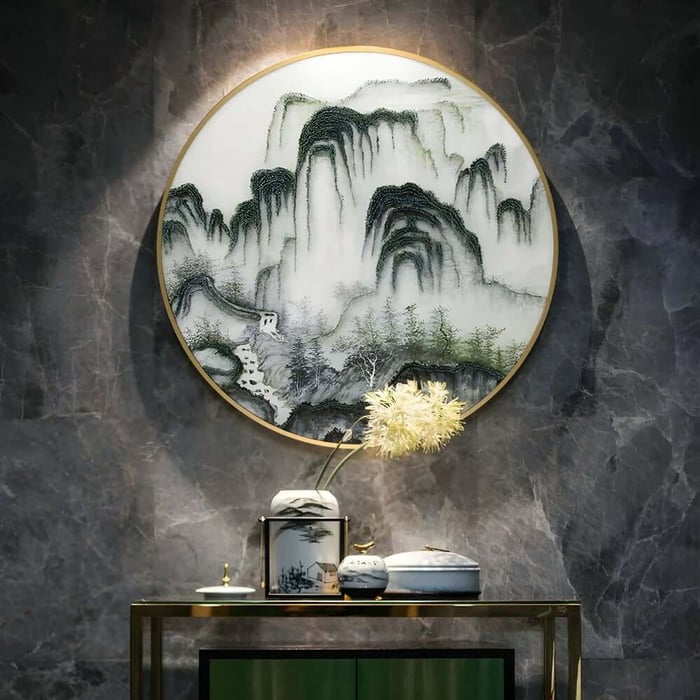
Sumi-e is one of the most recognisable styles shaped by Zen practice. Developed from Chinese ink painting and later refined in Japan, it uses black ink on white paper to suggest nature with clarity and restraint. Instead of aiming for realism, it focuses on capturing the “spirit” of a subject. That approach is why it feels calm, spacious, and timeless.
Rather than filling the page, sumi-e relies on suggestion and carefully placed marks. A single brushstroke can hint at a mountain ridge, a bird in motion, or a stream flowing through a valley. The empty areas are intentional, giving the composition room to breathe. This balance between ink and space is a key part of its visual quiet.
The technique demands full attention because the brush cannot hesitate. Ink absorbs quickly, and once a line is placed, it cannot be erased or corrected. This encourages decisiveness and presence, not overthinking. The result often looks effortless, but it comes from focused control and a steady mind.
Sumi-e also teaches that “less” can communicate more than detail ever could. With only a few strokes, the viewer’s imagination completes the scene, making the experience more personal. That shared participation is part of what makes the style feel meditative. For many people, it becomes a gentle reminder that simplicity can carry real depth.
Zen Calligraphy: How Shodō Turns Writing Into Mindful Practice
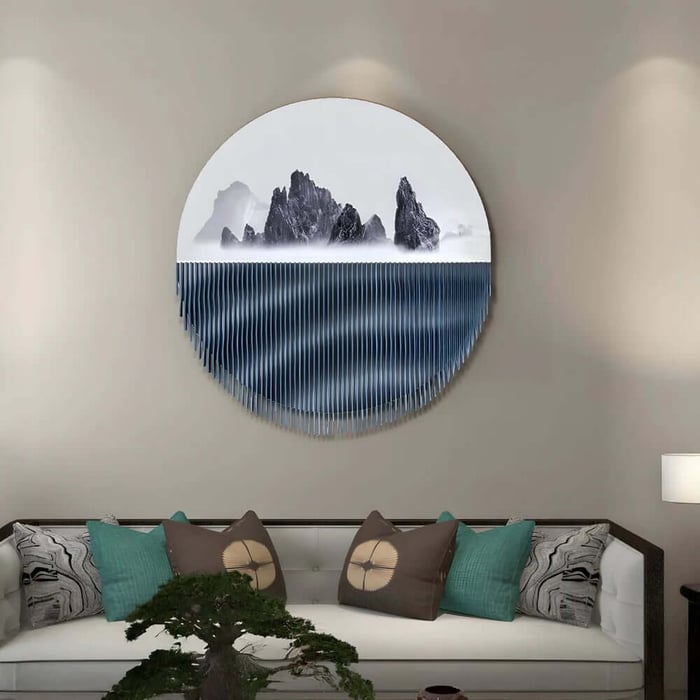
Zen calligraphy, known as shodō, combines writing and meditation into one disciplined practice. Each character is created with a brush and ink in a single, continuous motion. Because the stroke cannot be reworked, the artist must begin with a settled mind. This makes the act of writing as important as what appears on the page.
Unlike decorative lettering, shodō values rhythm, balance, and energy over neatness. The thickness of a line, the speed of the brush, and the space between marks all carry feeling and intent. Small hesitations can show up immediately, which is why focus matters. In this way, the finished work becomes a quiet reflection of the moment it was made.
Calligraphy is often used to express philosophical ideas, poems, or koans in a direct, uncluttered form. The meaning is carried not only by the words, but by the movement that formed them. Viewers can sense calm, tension, or confidence through the brushwork alone. This is why shodō continues to matter as both an art form and a practice of presence.
The Ensō Circle: A Single Stroke That Captures Presence
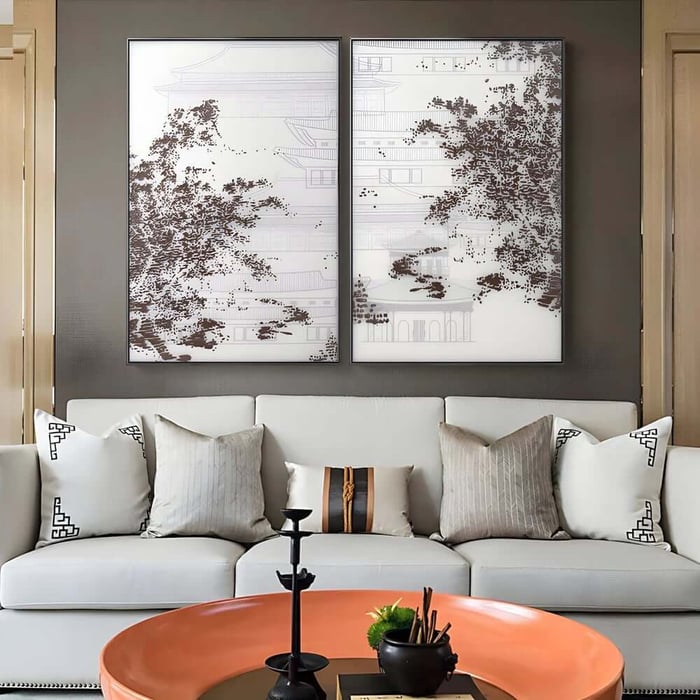
The ensō is one of the most powerful symbols in Zen art. It is a hand-drawn circle, usually created in one unbroken stroke. Though simple in appearance, it carries deep meaning.
The circle often represents completeness and emptiness at the same time. It reflects a moment when the mind is quiet enough to let the body move freely. Because it is drawn in one go, it shows the truth of that instant.
No two ensō are alike, even when made by the same person. Some are open, others closed, and each variation creates a slightly different feeling. A bold stroke can suggest confidence, while a lighter one can feel gentle or reflective.
What matters is not symmetry or precision, but honesty. The small wobbles, breaks, or uneven edges are part of its character. That is why the ensō continues to resonate, reminding people that imperfection can still feel complete.
Zen Landscape Painting: Stillness, Space, and the Shape of Nature
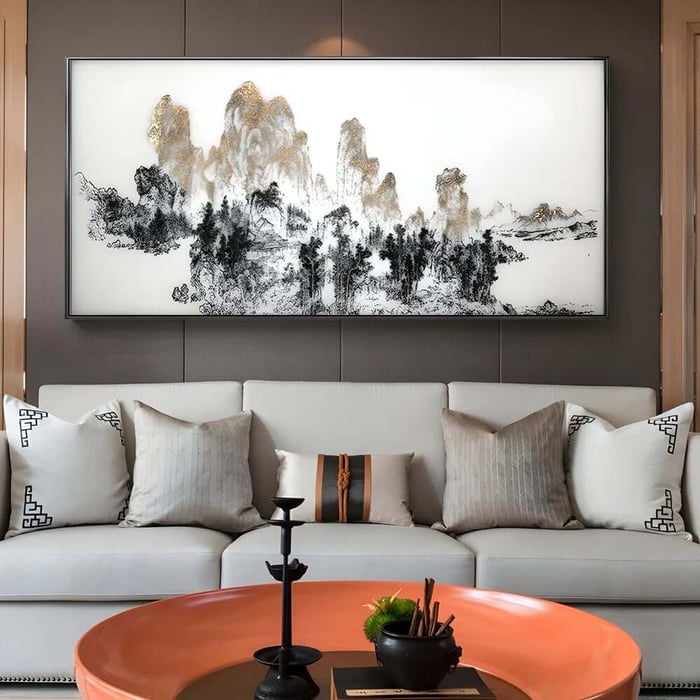
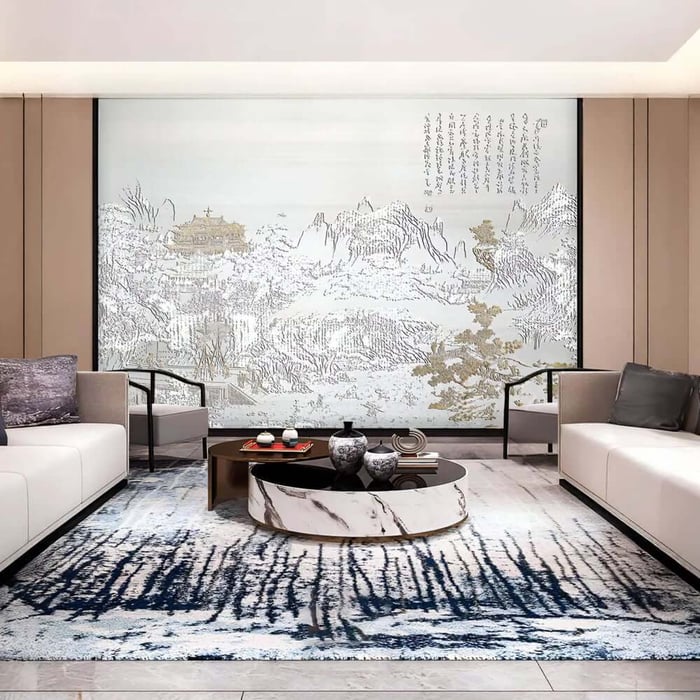
Zen landscapes differ greatly from detailed or realistic scenery. Mountains, rivers, and trees are suggested rather than described, often with only a few deliberate strokes, which is why this form of landscape art feels so meditative. The focus is on atmosphere rather than accuracy, so the scene feels more like a mood than a map. This approach invites the viewer to slow down and notice what is implied.
These paintings often feel quiet and spacious because the composition leaves room to breathe. Mist, open sky, and blank space are used on purpose, not as unfinished areas. Instead of crowding the scene with detail, the artist lets emptiness do part of the work. That emptiness creates a sense of calm and distance.
Human figures, if present at all, appear small and secondary to nature. A lone traveller might be placed at the edge of a mountain path or near a riverbank, almost disappearing into the landscape. This reflects the belief that people are part of the natural world, not separate from it. The viewer is reminded to see themselves as one element within a larger whole.
As a form of Zen art, landscape painting encourages humility and awareness of scale. It gently shifts attention away from personal drama and towards stillness, impermanence, and balance. Seasons change, weather passes, and everything moves on in its own time. That quiet message is one reason these landscapes continue to feel so grounding today.
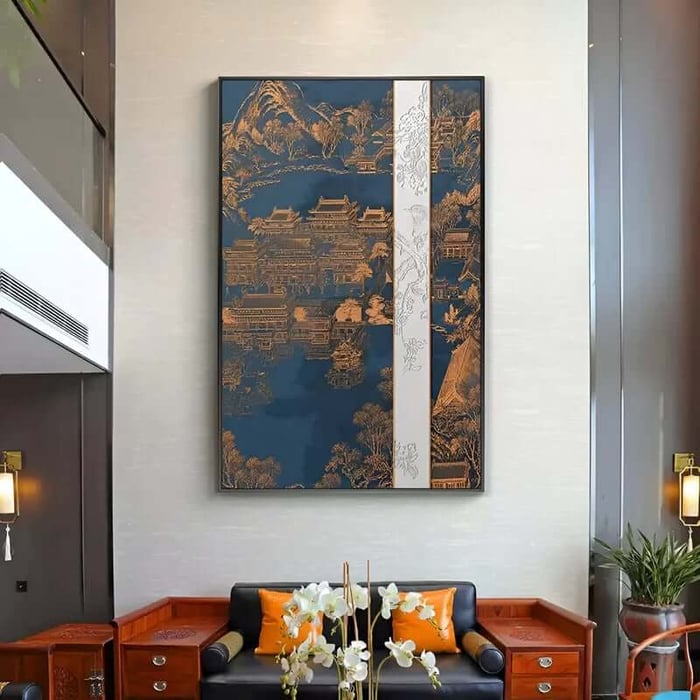
Zen Garden Design as Visual Art
Sumi-e is one of the most recognisable artistic styles developed within Zen traditions. Originating from Chinese ink painting and later refined in Japan, it uses black ink on white paper to suggest landscapes, plants, animals, or natural scenes.
Rather than filling the page, sumi-e relies on suggestion. A single brushstroke can represent a mountain, a bird, or flowing water. The white space is just as important as the ink itself.
This style teaches restraint and awareness. The artist must commit fully to each movement, as ink cannot be erased. Sumi-e remains influential because it demonstrates how little is needed to express something meaningful.
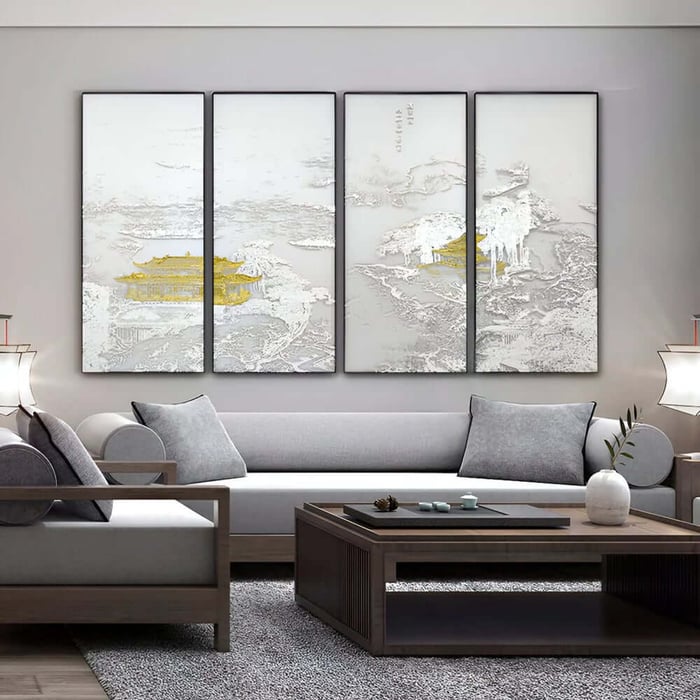
Minimalist Zen Brush Painting
Minimalist Zen brush painting focuses on what can be expressed with the least possible effort. Instead of relying on detail, it uses simple marks to create a calm, reflective experience for the viewer.
Focuses on abstract brushwork using only a few strokes, lines, or simple shapes.
Reduces creative expression to movement and energy rather than recognisable subjects.
Encourages the viewer to slow down and experience the work instead of analysing it.
Feels especially relevant in modern spaces where visual noise is constant and simplicity offers relief.
Highlights the importance of negative space, allowing the viewer’s eye to rest and the composition to feel open.
Reflects the artist’s state of mind in the moment, where a steady hand and calm attention shape the final result.
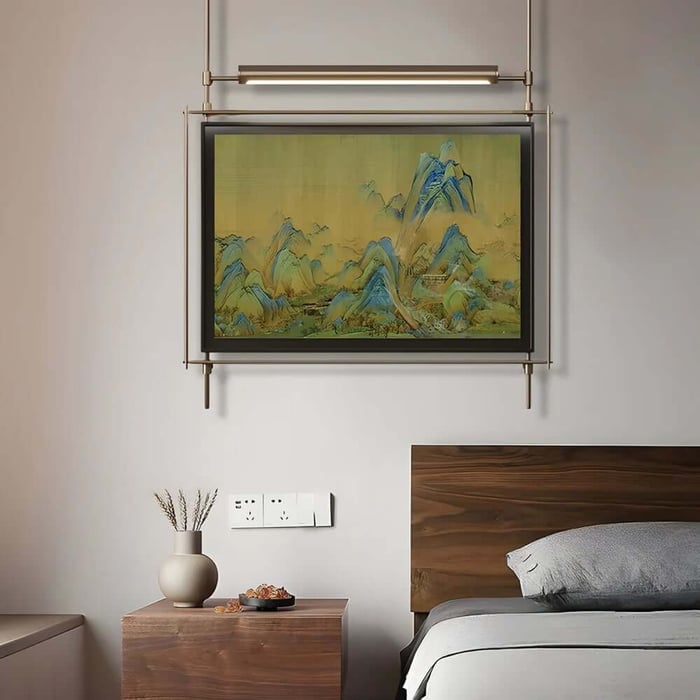
Why Zen Art Styles Still Matter in Modern Life
Zen art remains relevant because it responds to a universal need for calm and clarity. In a world driven by speed, noise, and excess, these styles offer a slower way of engaging with creativity. They invite people to pause, notice, and breathe rather than rush to a result. That shift in pace is often what makes the work feel so grounding.
These styles also teach patience, acceptance, and focus through both the process and the viewing experience. Because many works are created with minimal strokes and no corrections, they encourage commitment and presence. Imperfection is not treated as failure, but as part of what makes the piece honest. This mindset can feel refreshing in a culture that often demands constant polish.
Beyond personal wellbeing, these traditions still matter because zen art continues to influence modern design and everyday living. The same principles show up in calm interiors, uncluttered layouts, and thoughtful use of space. Whether expressed through calligraphy, ink painting, landscapes, or garden design, each style reminds us that simplicity can carry real depth.
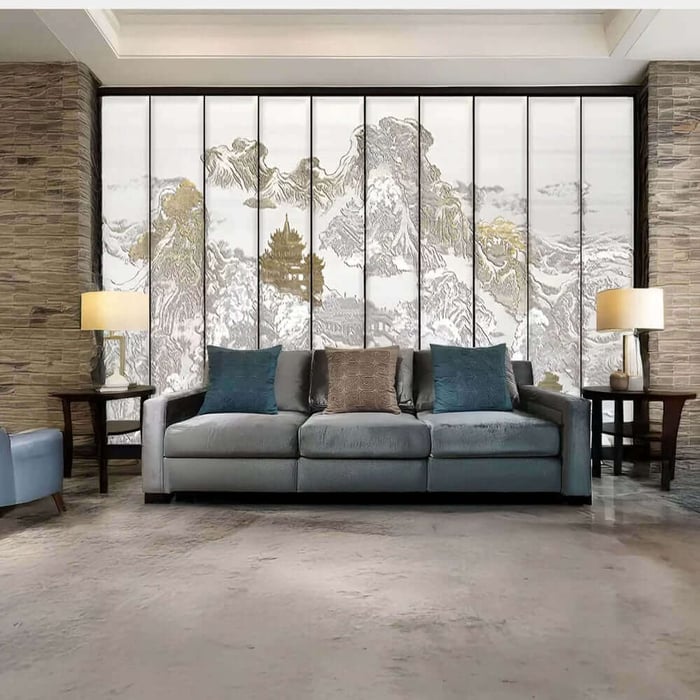
How Zen Art Influences Contemporary Living and Interior Design
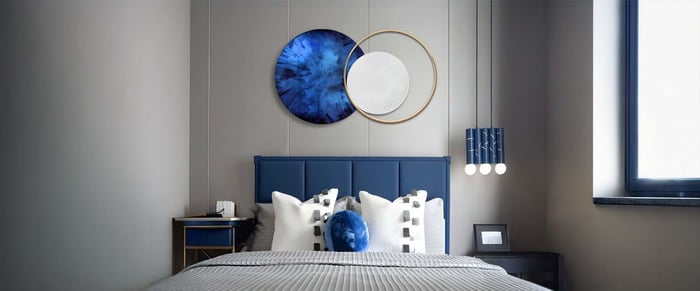
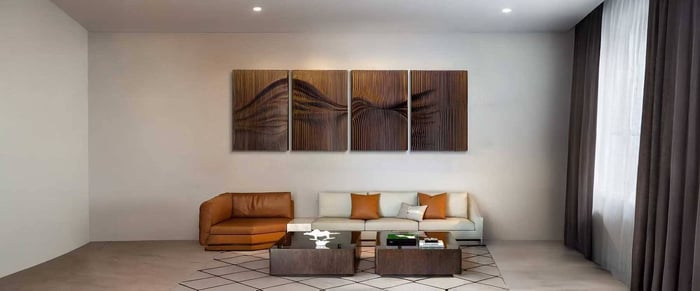
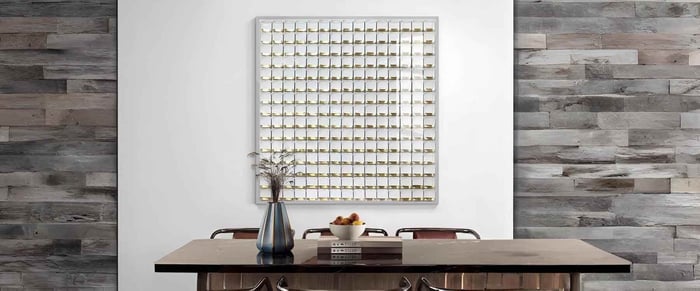
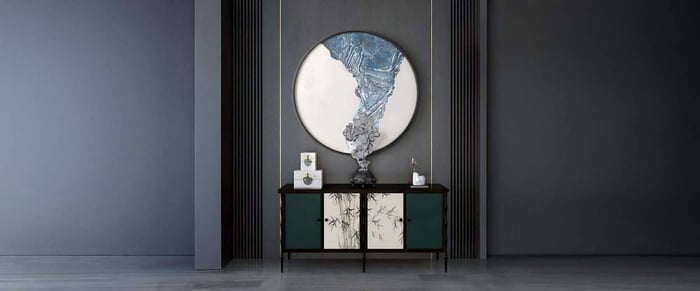
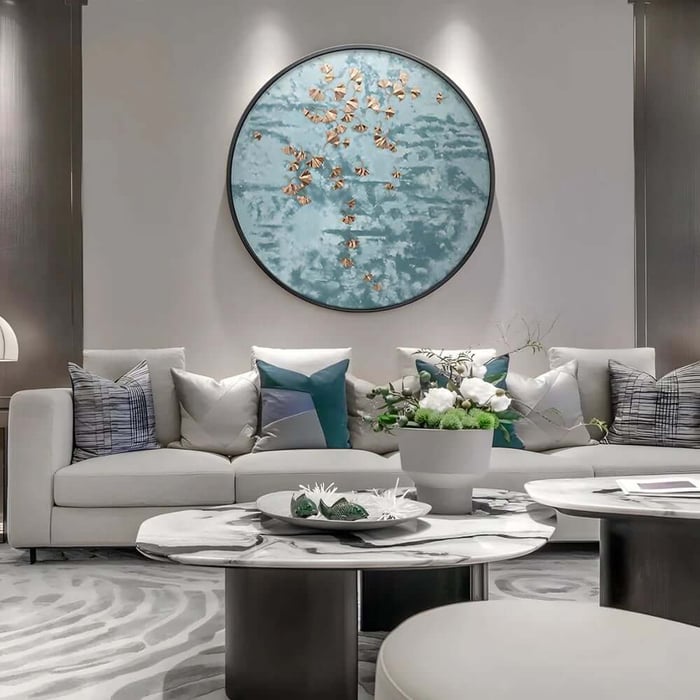
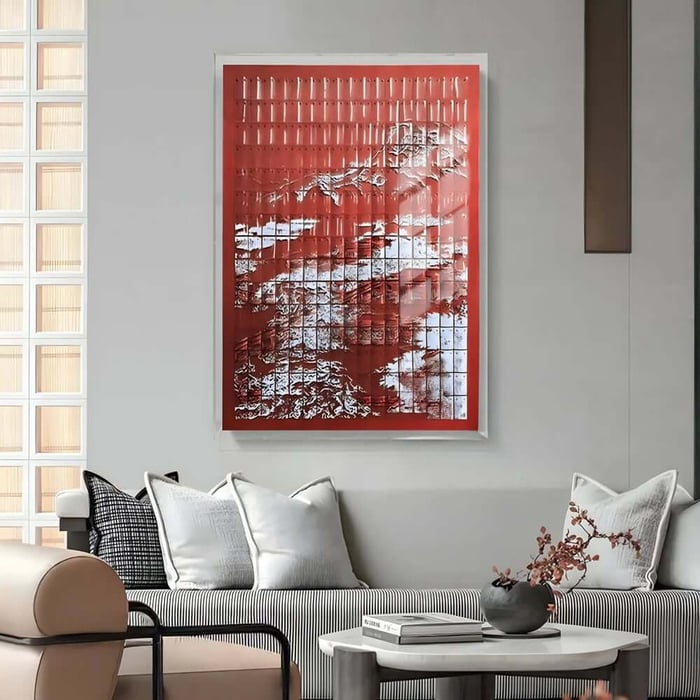
Modern interiors often draw inspiration from traditional Japanese aesthetics, especially where calm and balance are a priority. Minimal compositions, neutral tones, and thoughtful spacing help create environments that feel grounded rather than busy. Add a subtle focal point, such as 3D art, to bring depth without disrupting the calm. Furniture and décor are chosen carefully, allowing each piece room to exist without competition. This approach mirrors the same respect for space found in artistic practice.
Zen art-inspired artwork is not used to dominate a room, but to support balance and visual flow. A single piece can soften a space, guiding attention without demanding it. The effect is subtle, yet it changes how a room feels and functions. This is why these principles continue to influence architecture, interior design, and modern creative practices focused on calm living.
Conclusion: Why Zen Art Styles Continue to Inspire
Zen art styles offer more than visual appeal. Zen art reflects a way of thinking that values stillness, awareness, and authenticity. From sumi-e painting to calligraphy, from ensō circles to Zen gardens, each style expresses the same core principles through different forms.
Together, they remind us that art does not need complexity to be meaningful. Simplicity, when guided by intention, can speak more clearly than excess.
If you are drawn to the calm and balance these styles represent, explore the collection and discover how zen art–inspired pieces can be styled within your own space, bringing quiet character and thoughtful design into everyday living.
FAQs
What should I look for when choosing Zen art for my space?
Look for pieces that feel calm rather than busy. Simple compositions, balanced spacing, and subtle brushwork tend to work best. The artwork should support the mood of the room, not dominate it. If it helps you slow down when you look at it, it’s likely a good fit.
Where is the best place to display Zen art in a home?
Zen art works well in quiet areas such as living rooms, bedrooms, entryways, or meditation spaces. It is often placed where the eye naturally rests, rather than in high-traffic or cluttered areas. Giving the piece breathing room enhances its effect. Good lighting and minimal surrounding décor help it stand out without feeling overwhelming.
Does Zen art need to match a minimalist interior style?
No, it does not need to match perfectly. Zen art can complement both minimalist and more layered interiors by adding balance. Even in detailed or modern spaces, a simple piece can act as a visual pause. The contrast often enhances the overall feel of the room.
How do I know if a Zen art piece is authentic or well made?
Authentic Zen-inspired pieces usually show intentional simplicity rather than decoration. Brushwork should feel confident and natural, not overly polished or mechanical. Materials such as ink, paper texture, and framing also matter. A well-made piece feels thoughtful, even when it is very simple.
Why do Zen art pieces often look so minimal compared to other artwork?
Zen art focuses on expression, presence, and balance rather than detail or realism. Minimal elements are used to leave space for reflection and calm. What is left out is just as important as what is shown. This approach is what gives Zen art its quiet strength and lasting appeal.