











































































Why Interior Sculptures Transform Living Rooms
A living room without a sculpture is a room that's missing something. Paintings and prints work the walls. Furniture defines the layout. Lighting sets the mood. But sculpture is what anchors a room — what gives it three-dimensional presence, what makes it feel considered rather than merely furnished. The difference between a 'nice living room' and a 'beautiful living room' is almost always the presence (or absence) of one or two well-chosen sculptural pieces.
This guide covers 15 interior sculpture ideas for living rooms — spanning contemporary designer pieces, classical figurative work, abstract forms, and statement conversation starters. We'll also walk through exactly how to display sculptures at home: the placement rules, the size principles, the lighting techniques, and the styling details that make the difference between a sculpture that disappears into the room and one that defines it.
Whether you're buying your first serious sculptureor adding to an established collection, this guide gives you the complete framework — what to choose, where to place it, how to light it, and how to make sure it earns its space.
At Giant Sculptures, we've spent years helping people choose sculptures for their living rooms — from compact pieces for contemporary flats to statement works that anchor period properties. The principles below come from what actually works in real homes.
Table of Contents
- Why Interior Sculptures Transform Living Rooms
- 15 Interior Sculpture Ideas for Living Rooms
- 1. A Designer Bear Sculpture
- 2. A Balloon Dog Sculpture
- 3. A Labubu or Designer Art Toy
- 4. An Abstract Sculpture
- 5. A Gorilla Sculpture
- 6. A Marble or Marble-Effect Statue
- 7. An Astronaut Sculpture
- 8. A Geometric Sculpture
- 9. A Wildlife or Animal Sculpture
- 10. A Pop Art Sculpture
- 11. A Figurative Bust or Head
- 12. An Iconify or Character Sculpture
- 13. A 3D Wall Sculpture
- 14. A Functional Sculpture
- 15. A Large Statement Sculpture
- How to Display Sculptures at Home: The Complete Rules
- Size Guide: Matching Sculpture Scale to Your Room
- Where to Position Sculptures in a Living Room
- Lighting Your Sculpture Properly
- Styling Around the Sculpture
- Common Mistakes to Avoid
- Best Sculptures by Interior Style
- Building Your Living Room Sculpture Collection
- FAQs
15 Interior Sculpture Ideas for Living Rooms
1. A Designer Bear Sculpture
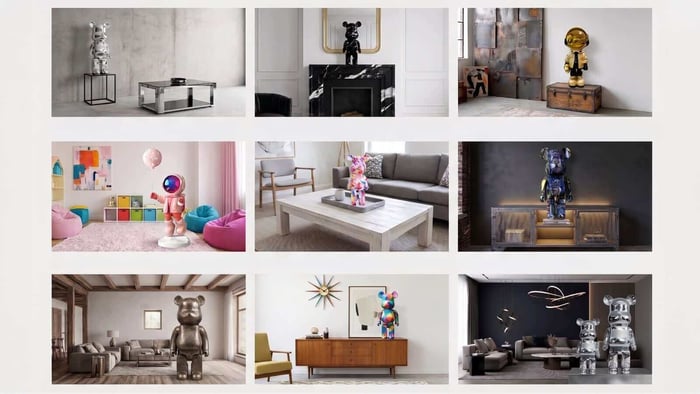
Designer bear sculptures have become one of the defining statement pieces of contemporary interior design. From small 30-50cm pieces on console tables to life-size bears anchoring living room corners, a designer bear brings character, warmth, and instantly recognisable style. They work across surprisingly varied interiors — minimalist modern, eclectic maximalist, even traditional settings if the piece is chosen carefully.
Browse our bear sculpture collection for pieces at every scale.
2. A Balloon Dog Sculpture
The balloon dog is one of the most instantly recognisable motifs in contemporary art, thanks largely to Jeff Koons. A chrome or metallic balloon dog sculpture brings pop-art energy and pure joy to a living room. Sizes from 25cm console pieces to 80cm floor-standing works. Ideal for contemporary and eclectic interiors.
See our balloon dog sculptures or metallic and coloured finishes.
3. A Labubu or Designer Art Toy
Designer art toys — Labubu, Bearbrick, Dunny, and their relatives — have evolved from niche collectibles to serious interior pieces. A larger Labubu (70cm+) or 1000% Bearbrick becomes a legitimate sculptural presence in a contemporary living room. Works particularly well on shelves, sideboards, or as anchor pieces in contemporary spaces.
Browse our Labubu collection for pieces up to 160cm.
4. An Abstract Sculpture
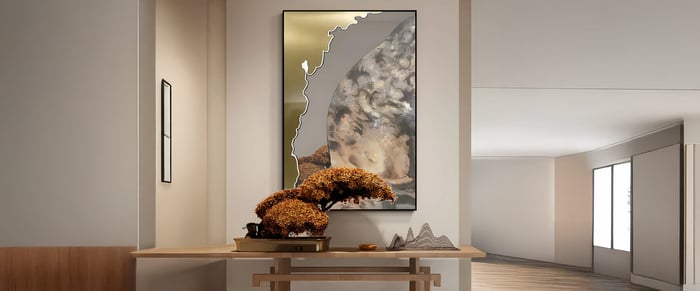
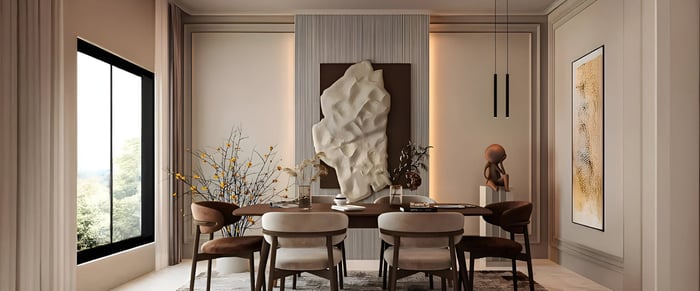
Abstract sculpture has become the default for contemporary interiors. A well-chosen abstract piece — organic curves, geometric forms, or expressive gestures — brings intellectual weight to a living room without the specific narrative of figurative work. Works in almost any modern interior.
See our abstract sculptures for contemporary abstract forms.
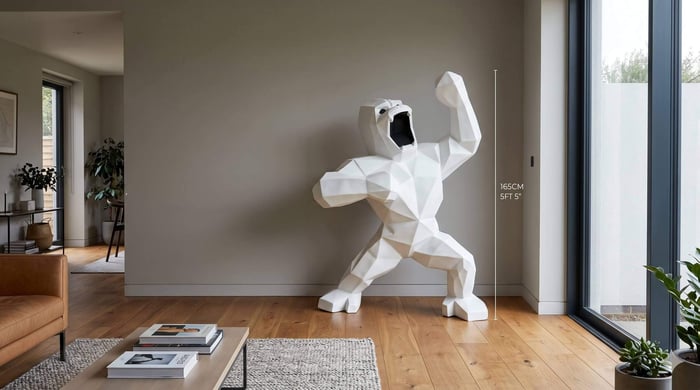
5. A Gorilla Sculpture
Gorilla sculptures bring serious presence to a room — the animal's weight and expression translates powerfully in sculpture. Smaller pieces (30-50cm) work on sideboards; larger gorilla heads and busts make striking wall-mounted or floor-standing statements. Particularly effective in rooms with bold palette choices.
Browse our gorilla sculpture collection.
6. A Marble or Marble-Effect Statue
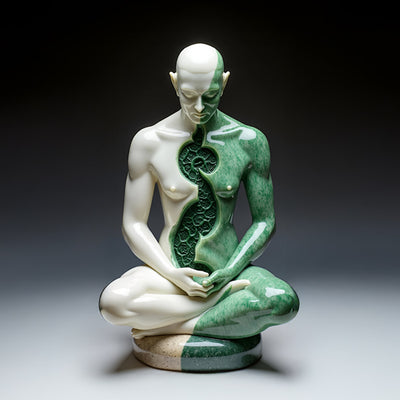
Classical marble (or high-quality marble-effect) sculpture brings heritage gravitas to any living room. A figurative marble piece works beautifully in period properties and formal interiors. A contemporary abstract marble form suits modern spaces. The translucent luminosity of marble makes these pieces work particularly well in rooms with good natural light.
See our marble sculpture collection.
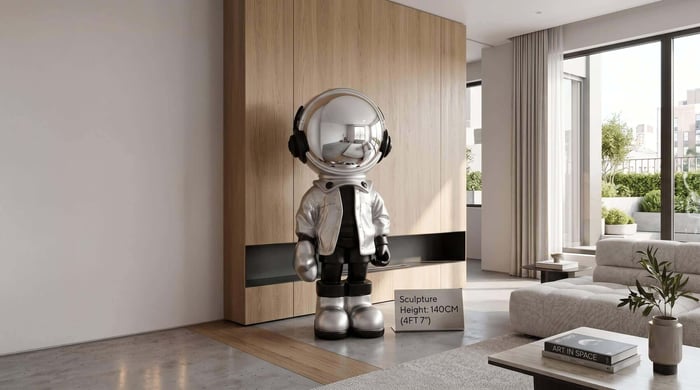
7. An Astronaut Sculpture
Astronaut sculptures have become one of the distinctive contemporary interior pieces. They bring quirk, conversation, and unexpected energy to a living room. Works particularly well in contemporary flats, media rooms, and interiors with a playful edge. Sizes from desktop pieces to life-size figures.
Browse our astronaut sculptures.
8. A Geometric Sculpture
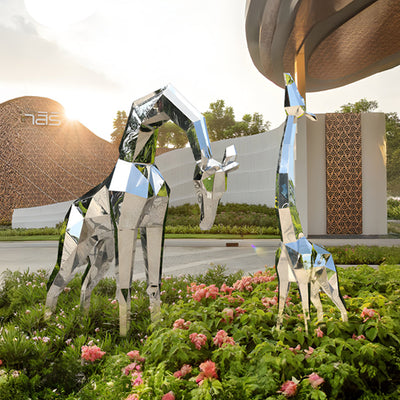
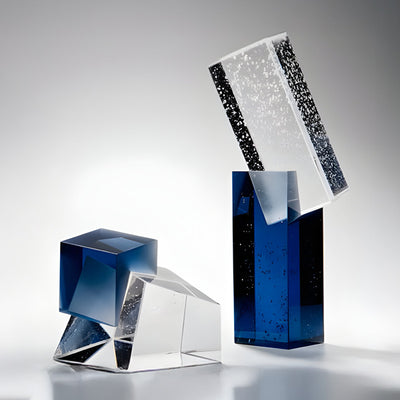
Pure geometric forms — cubes, spheres, intersecting shapes, tessellated structures — make powerful statements in contemporary living rooms. They bring architectural rigor and visual clarity. Works beautifully in minimalist interiors where a single strong form anchors the space without competing with other elements.
9. A Wildlife or Animal Sculpture
Beyond bears and gorillas, the wider animal sculpture category — elephants, lions, wolves, eagles, dogs — brings organic character to a living room. Particularly effective when the animal has personal resonance (a pet breed, a meaningful spirit animal) or when the piece's form is strong enough to work as pure sculpture beyond its subject.
10. A Pop Art Sculpture
Pop art sculpture — the lineage of Warhol, Koons, Lichtenstein — brings energy and colour to a living room. Works in contemporary and eclectic interiors where bold colour and strong graphic energy are welcome. Not for minimalist or traditional settings.
See our pop art sculpture range.
11. A Figurative Bust or Head
Classical or contemporary busts — heads and shoulders, sometimes just heads — bring a specific human presence to a room. Classical busts suit period properties. Contemporary interpretations (distorted, fragmented, colour-washed) work in modern interiors. Typically placed on sideboards, plinths, or mantelpieces.
12. An Iconify or Character Sculpture
Character-based designer sculptures — our Iconify range and similar designer pop-culture pieces — occupy a distinctive contemporary category. They work particularly well in media rooms, contemporary spaces, and homes where the owner has specific pop-culture passions.
Browse our Iconify collection.
13. A 3D Wall Sculpture
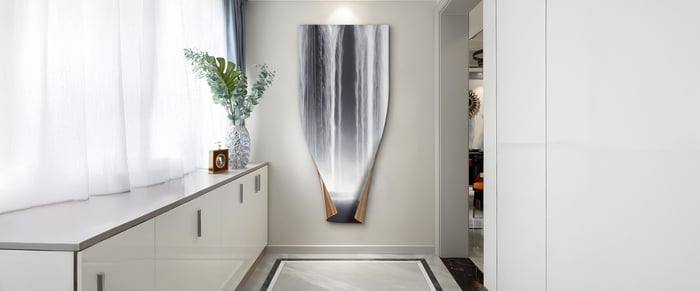
Wall-mounted sculpture — gorilla heads, abstract relief work, multi-panel installations — uses vertical space that floor-standing work can't. Particularly useful in living rooms where floor space is at a premium or where you want multiple sculptural elements without cluttering surfaces.
14. A Functional Sculpture
Functional art pieces — sculptural side tables, sculptural lamp bases, sculptural bookends — blur the line between sculpture and furniture. These pieces bring sculptural presence without requiring dedicated display space. Particularly valuable in smaller living rooms.
15. A Large Statement Sculpture
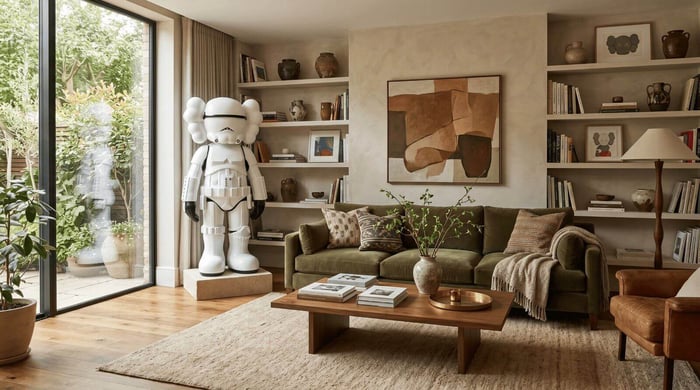
For the right room (high ceilings, good square footage, minimalist styling), a single very large sculpture — a life-size bear, a major abstract form, a giant designer toy — can be the most powerful interior move possible. These pieces don't decorate rooms; they define them.
See our large bear sculptures.
How to Display Sculptures at Home: The Complete Rules
How you display a sculpture matters almost as much as what sculpture you choose. Here are the principles that separate an effective display from a forgettable one.
Rule 1: Give It Breathing Room
The single biggest mistake in home sculpture display is cramming the piece between other objects. Negative space around a sculpture is what lets it function as sculpture rather than as clutter. Even in a busy interior, ensure at least 30-60cm of clear space around a sculpture on all sides.
For statement pieces, more: 1-2 metres of clearance around a major sculpture lets it function as the anchor of the room.
Rule 2: Eye Level Matters
Most sculptures are designed to be viewed at the sculptor's intended height — often at or slightly above standing eye level (approximately 1.5-1.7m from floor to the centre of the piece). When placed much lower, sculptures lose impact. When placed much higher, details disappear.
For smaller pieces, this means using plinths or tall furniture. For larger pieces, the sculpture's own scale typically gets you to the right height naturally.
Rule 3: Consider Multiple Viewing Angles
Unlike paintings, sculptures exist in three dimensions. A good sculpture rewards walking around it. Place your sculpture where it can be viewed from at least 2-3 different angles as people move through the room.
Rule 4: Background Matters
A pale sculpture against a pale wall disappears. A cluttered sculpture against a busy wall becomes lost. The best sculpture backgrounds are:
- Contrasting in tone (dark walls behind pale sculpture, or vice versa)
- Simple in texture (clear walls, not busy wallpaper)
- Reinforcing rather than competing with the sculpture's character
Rule 5: Don't Centre Everything
Strict symmetry often kills sculpture impact. A sculpture slightly off-centre, or placed asymmetrically relative to a wall or piece of furniture, often works better than perfect centering. Good interior designers almost always resist the urge to centre sculptures on mantelpieces, coffee tables, or console tables — instead offsetting them for dynamic composition.
Rule 6: Respect the Original Scale Intent
A small sculpture placed alone on a huge blank wall looks lost. A large sculpture crammed into a small space looks oppressive. Match the sculpture's scale to the space around it — or match the space to the sculpture you want to display.
Size Guide: Matching Sculpture Scale to Your Room
Small Living Rooms (Under 20m²)
- Ideal sculpture sizes: 25-60cm
- Avoid: anything over 80cm (will dominate and oppress the room)
- Best locations: sideboards, mantelpieces, floating shelves, tall console tables
- Recommended: 1-2 sculptural pieces maximum
- Particularly good: smaller bear sculptures, balloon dogs 25-40cm, standard Bearbricks/Labubus, ceramic pieces
Medium Living Rooms (20-40m²)
- Ideal sculpture sizes: 40-120cm
- Can accommodate: one medium-to-large statement piece or 2-3 coordinated smaller pieces
- Best locations: console tables, side tables, plinths in corners, floor beside sofas
- Recommended: one anchor piece plus 1-2 secondary sculptural elements
- Particularly good: medium bear sculptures (50-80cm), balloon dogs up to 60cm, larger Labubu pieces, abstract medium sculptures
Large Living Rooms (40-80m²)
- Ideal sculpture sizes: 80-180cm
- Can accommodate: one major statement piece plus multiple secondary pieces
- Best locations: corner plinths, dedicated sculpture zones, alongside seating arrangements
- Recommended: one major anchor (100cm+), one medium secondary piece, possibly one wall piece
- Particularly good: large bear sculptures (80-150cm), life-size designer pieces, large abstract forms
Very Large Living Rooms (80m²+) or Open-Plan Spaces
- Ideal sculpture sizes: up to life-size and beyond (150-220cm+)
- Can accommodate: multiple major sculptural works
- Best locations: dedicated sculpture zones, alongside major furniture groupings, architectural positions
- Recommended: treat sculpture seriously — consider a curated collection rather than individual pieces
- Particularly good: life-size and giant sculptures, major abstract works, statement commissioned pieces
Where to Position Sculptures in a Living Room
The Console Table / Sideboard
The classic and highly effective position. A medium-sized sculpture (30-60cm) on a console table or sideboard creates a natural focal point at eye level without taking floor space. Works in almost every living room configuration. Offset slightly from centre for dynamic composition.
The Coffee Table
Smaller sculptures (15-40cm) work beautifully as coffee table centrepieces. Chose pieces that can be viewed from all angles (people sit around coffee tables). Avoid very tall pieces that obstruct view across the table.
The Corner Plinth
A dedicated sculpture plinth in a living room corner creates a powerful gallery-style display for medium-to-large pieces (50-150cm). Works particularly well with modern interiors. Plinth should be proportional to the sculpture — typically 70-100cm tall for a 60-90cm sculpture.
The Mantelpiece
Mantelpieces are natural homes for sculpture — they're at eye level and provide built-in framing from fireplaces. Place one major piece (offset from centre) or a carefully composed small group. Avoid cluttering with too many small pieces.
The Floor Beside Furniture
Larger sculptures (80cm+) can sit directly on the floor beside sofas, armchairs, or in corners. Works particularly well with designer bear sculptures, Labubu pieces, and abstract floor sculptures. The floor position gives large pieces room to breathe without requiring dedicated plinths.
The Built-in Shelving
If you have built-in shelving (recesses, alcoves, fitted bookshelves), sculpture works beautifully integrated with books and objects. Allow the sculpture more breathing room than other shelf objects — it should be visible as a distinct piece, not just another item on the shelf.
The Stairwell (Adjacent to Living Room)
If your living room connects to a stairwell or hallway, sculpture in that adjacent space extends the living room aesthetic. Wall-mounted or mid-landing sculpture creates connection between spaces.
Lighting Your Sculpture Properly
Good lighting transforms how a sculpture reads in a room. Bad lighting — or no lighting — leaves even extraordinary sculptures feeling flat and forgotten.
Direction Matters More Than Brightness
Flat overhead lighting makes sculpture look 2D. Side-lighting reveals form and texture. Aim for at least one directional light source (wall light, picture light, track spot, or even a well-placed floor lamp) that hits the sculpture from an angle rather than directly overhead.
[H3] Multiple Light Sources
Ideal sculpture lighting uses 2-3 light sources at different angles:
- Primary directional light (most dramatic, reveals form)
- Fill light (softens shadows, prevents harshness)
- Ambient room light (context lighting)
Colour Temperature
- Warm light (2700K-3000K) suits most domestic interiors and flatters pale sculptures particularly well
- Neutral white (3500K-4000K) for contemporary or gallery-style displays
- Avoid very cool light (5000K+) — makes interiors feel clinical and can flatten sculptural form
Dedicated Lighting Options
- Track lighting with adjustable heads — most flexible; lets you reposition lights as you rearrange pieces
- Picture lights — good for wall-mounted sculptures; mount above and aim downward
- Recessed directional spots — subtle and architectural, perfect for sculpture-focused interiors
- Floor uplights — dramatic, create shadow-casting from below; use sparingly
Natural Light Considerations
Natural light is beautiful on sculpture but varies through the day. Positions with side-light from a window (not directly overhead skylights) work particularly well. Be aware that:
- Direct sunlight can fade pigmented sculptures over years
- Morning and evening light is most dramatic (low-angle)
- North-facing rooms have the most consistent, flattering sculpture light
Styling Around the Sculpture
Once the sculpture is positioned and lit, the surrounding styling finishes the display.
What Goes With a Sculpture on a Console Table
Keep accompanying objects simple and asymmetrically composed:
- 1-2 books stacked (sculpture's subject-related is elegant but not essential)
- A single vase or ceramic object (lower than the sculpture)
- Perhaps a table lamp if the sculpture isn't the only statement element
- Negative space is as important as objects
What to Avoid
- Matchy groupings that compete with the sculpture
- Too many small objects cluttering the display surface
- Tall objects near the sculpture that compete visually
- Bright colours that pull attention from the sculpture's form
Seasonal Adjustments
Unlike paintings, sculpture benefits from occasional repositioning. Every few months, consider:
- Rotating the sculpture slightly to show different angles as primary view
- Adjusting lighting to emphasise different aspects
- Swapping accompanying objects (seasonal books, seasonal ceramics)
- For larger pieces, occasionally moving to different rooms to refresh the experience
Common Mistakes to Avoid
Buying too small for the space
A small sculpture lost in a large room is the most common sculpture mistake. If you're uncertain, go slightly larger — sculptures fill rooms more than you expect.
Matching sculpture colour to wall colour
White sculpture on white wall. Cream sculpture on cream wall. This removes exactly the contrast that makes sculpture readable. Create deliberate tonal contrast.
Overcrowding with multiple sculptures
A single well-chosen sculpture outperforms three mediocre ones competing for attention. Edit ruthlessly. If you want multiple sculptures, give each its own zone.
Ignoring the sculpture's back/sides
Sculpture is three-dimensional but buyers often only consider the front view. Before positioning, check that the back and sides are also good — particularly if the sculpture will be viewed from multiple angles.
Letting it sit in the wrong light
A beautifully chosen sculpture in terrible lighting is a waste. Before committing to a position, stand in the room at different times of day and check how the sculpture reads in each lighting condition.
Placing on wobbly or under-scaled furniture
Sculptures look better on substantial, stable surfaces. A 50cm bronze on a flimsy IKEA side table cheapens the piece. Match the substantiality of the display surface to the substantiality of the sculpture.
Buying for trends rather than personal resonance
Sculptures you'll live with for decades should connect to you personally — not just reflect current interior trends. The pieces people most regret are the ones they bought because they were 'in' that year; the pieces they love forever are the ones they chose because they resonated.
Best Sculptures by Interior Style
Contemporary / Modern
Designer bear sculptures, balloon dogs, abstract forms, pop art pieces, Labubu collection. Chrome, matte black, and pure colour finishes work beautifully. Focus: clean forms, bold character.
Minimalist
Single abstract sculptural form, simple marble or marble-effect piece, Noguchi-style organic abstracts. Neutral palette. Focus: one powerful piece rather than many.
Eclectic / Maximalist
Pop art sculpture, character pieces, colourful Labubu, designer bears in vibrant colours. Can layer multiple sculptural works. Focus: personality, colour, and bold character.
Classical / Heritage
Figurative marble, classical bronze bust, formal figurative works. Restrained palette. Focus: weight of tradition, classical references.
Mid-Century Modern
Organic abstract forms (Noguchi-adjacent), clean bronze or wood pieces, period-appropriate abstract sculpture. Focus: smooth curves, considered forms.
Industrial / Loft
Raw material sculpture (steel, cast iron), large-scale abstract pieces, reclaimed material works. Focus: material honesty, substantial scale.
Scandinavian / Nordic
Simple organic forms, natural materials, restrained palette. Smaller scale rather than statement pieces. Focus: craft, simplicity, materiality.
Japanese / Zen
Minimal abstract forms, natural stone pieces, considered placement. Focus: negative space, single powerful piece, contemplative presence.
 Building Your Living Room Sculpture Collection
The best living rooms aren't decorated — they're curated. Sculpture is the element that most clearly separates a curated room from a merely furnished one. A well-chosen, well-placed, well-lit sculpture brings a living room alive in ways that no other interior element can match.
Start with one significant piece — not too small, properly lit, given its own space. Let it establish the sculptural presence of the room. Add secondary pieces over time only if they'll genuinely add rather than compete.
Browse our full sculptures collection to find pieces for your living room across every scale and style. For specific recommendations based on your room, budget, and interior style, get in touch — we genuinely enjoy helping people choose their first serious sculpture.
FAQs
How do you display sculptures at home?
The key principles: give sculptures breathing room (at least 30-60cm on all sides for smaller pieces, 1-2m for statement pieces), place at eye level (approximately 1.5-1.7m from floor to centre of piece), ensure contrasting background tone, use directional lighting (not flat overhead), and avoid overcrowding the display surface. Consider multiple viewing angles since sculptures are three-dimensional.
What is the best sculpture for a living room?
The best sculpture depends on your room size, interior style, and personal taste. For contemporary homes: designer bear sculptures, balloon dogs, abstract forms, or Labubu pieces. For classical interiors: marble figurative work or bronze busts. For statement impact: large pieces (80cm+) that can anchor the room. For smaller spaces: 30-60cm pieces on console tables or sideboards.
Where should I put a sculpture in my living room?
The most effective positions are: console tables or sideboards (classic eye-level focal point), corner plinths (gallery-style display for medium-large pieces), coffee tables (for smaller pieces under 40cm), mantelpieces (built-in eye-level framing), or directly on the floor beside furniture (for larger pieces 80cm+). Avoid centering too strictly — slight asymmetry creates more dynamic composition.
What size sculpture for a living room?
Small living rooms (under 20m²): 25-60cm pieces. Medium living rooms (20-40m²): 40-120cm pieces. Large living rooms (40-80m²): 80-180cm pieces. Very large or open-plan spaces: up to life-size and beyond. Match sculpture scale to room dimensions — too-small pieces get lost; too-large pieces oppress the space.
How do you light a sculpture at home?
Use directional lighting (not flat overhead) that hits the sculpture from an angle. Ideal setup uses 2-3 light sources: primary directional light (revealing form), fill light (softening shadows), and ambient room light. Warm light (2700-3000K) suits most interiors. Options include track lighting with adjustable heads, picture lights, recessed directional spots, or carefully-placed floor lamps.
Are sculptures good for interior decor?
Yes — sculptures are among the most powerful elements in interior design. Unlike paintings which work walls, sculptures occupy three-dimensional space and interact with light, furniture, and architectural features dynamically. A well-chosen sculpture brings character, sophistication, and considered energy to any living room that can't be replicated with furniture, paintings, or smaller decorative objects alone.
How many sculptures should I have in one room?
Quality over quantity. One well-chosen, well-placed, well-lit sculpture outperforms multiple mediocre pieces competing for attention. For small-to-medium rooms, aim for 1-2 sculptural pieces maximum. For large rooms, 2-4 can work if each has its own visual zone. Avoid clustering multiple sculptures in one area — each piece needs breathing room to function as sculpture.
What's the best sculpture for a small living room?
For small living rooms, focus on 25-60cm pieces placed on console tables, sideboards, mantelpieces, or floating shelves. Good options include: smaller bear sculptures (30-50cm), standard-size Bearbricks or Labubus (40-70cm), balloon dogs in the 25-40cm range, small abstract forms, or ceramic pieces. Avoid anything over 80cm — will dominate and oppress a small room.
Can sculptures work in contemporary living rooms?
Yes — contemporary living rooms are the natural home for contemporary sculpture. Designer bear sculptures, balloon dogs, Labubu pieces, abstract forms, pop art sculpture, and contemporary figurative work all integrate beautifully into modern interiors. The key is choosing sculpture that matches the room's aesthetic: clean forms and contemporary character for modern spaces, rather than classical figurative work which suits heritage interiors.