
































































Table of Contents
- Understanding Architecture as an Artistic Experience
- The Role of Light in Architecture Art
- Space as a Medium, Not Just a Container
- Texture and Material: The Tactile Language of Architecture
- When Light, Space, and Texture Work Together
- What to Look for in Architecture Art (Quick Checklist)
- Architecture as Living, Changing Art
- Cultural Meaning and Human Connection
- Why Architecture Art Matters Today
- Conclusion: Where Architecture Becomes Experience
- FAQs
Architecture is often judged by how well it stands, shelters, or serves a function. Yet the buildings that stay with us the ones we remember, photograph, and feel drawn to do something more. They move us. They speak to the senses. This is where architecture art begins: not as decoration, but as an experience shaped by light, space, and texture.
When these three elements are thoughtfully combined, architecture becomes more than construction. It becomes living art something that changes throughout the day, responds to its environment, and interacts with the people who move through it. Understanding how these elements work together helps explain why some buildings feel alive while others fade into the background.
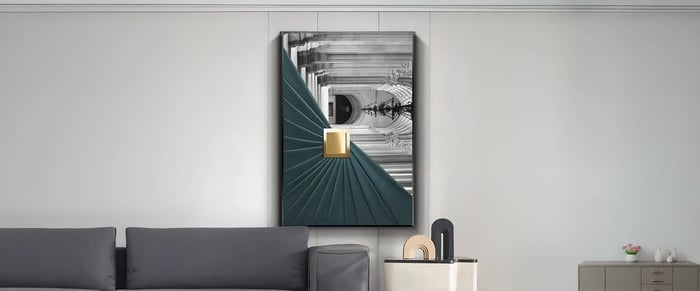
Architecture art doesn’t have to stay outdoors or in famous buildings. Through architectural wall art, architecture prints, and architecture paintings, you can bring the same sense of structure and atmosphere into a home. The best framed architectural artwork captures light, shadow, depth, and material detail in a way that makes a room feel more intentional and visually designed.
Understanding Architecture as an Artistic Experience
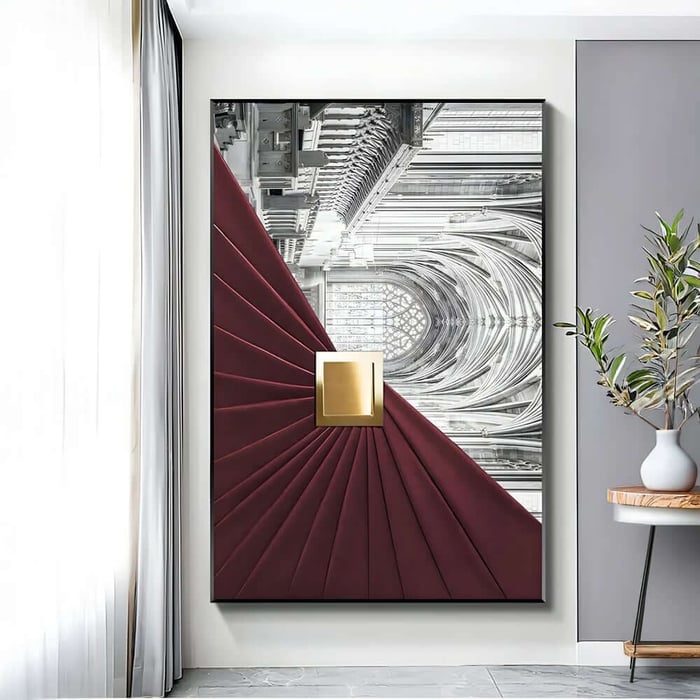
At its core, architecture art sits at the intersection of creativity and structure. It is not about making buildings look artistic for the sake of appearance, but about designing spaces that engage emotion, perception, and movement. Unlike static art forms, architecture is experienced over time. You walk through it, look up at it, and feel it around you.
The artistic value of architecture lies in how it shapes human behaviour and mood. A narrow corridor can create tension. A sun-filled atrium can inspire calm. Texture underfoot or on a wall can subtly influence how welcoming a space feels. These sensory responses are intentional, even when they go unnoticed.
In interiors, architecture art often works as a visual anchor. A strong architecture print can give a room a focal point in the same way a real building guides your movement your eyes follow lines, curves, and symmetry. That’s why architectural wall art feels more immersive than a generic image: it recreates the experience of being “inside” a space.
The Role of Light in Architecture Art
Light is one of the most powerful tools in architectural design. It defines form, reveals texture, and changes how a space feels from one moment to the next. In architecture art, light is not simply functional illumination it is a design material.
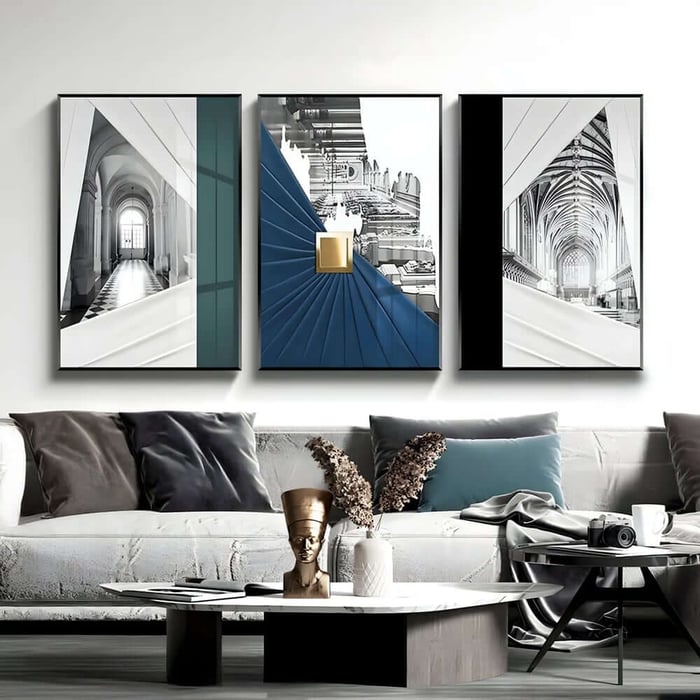
In framed architectural artwork, light becomes the mood of the piece. Bright window light creates an airy, open feel, while deeper shadows add drama and contrast. Many people choose architecture prints specifically for how the lighting in the image shifts the atmosphere of their living room, hallway, or office.
Natural light, in particular, brings movement into architecture. As the sun shifts, shadows stretch, soften, or disappear. This constant change gives a building a sense of rhythm and life. Architects often design openings, skylights, and screens to guide light rather than flood a space with it.
Light also influences emotional response. Soft, filtered daylight creates a sense of calm, while sharp contrasts between light and shadow can add drama and depth. Sacred and cultural buildings have long used light to evoke reflection and awe, proving that illumination can carry meaning as well as visibility and those same lighting moments are exactly what make architectural images so powerful on a wall.
Space as a Medium, Not Just a Container
Space is often misunderstood as empty volume, but in artistic architecture, space itself becomes the medium. How a room opens, compresses, or flows determines how people experience it. This is a central principle of architecture art.
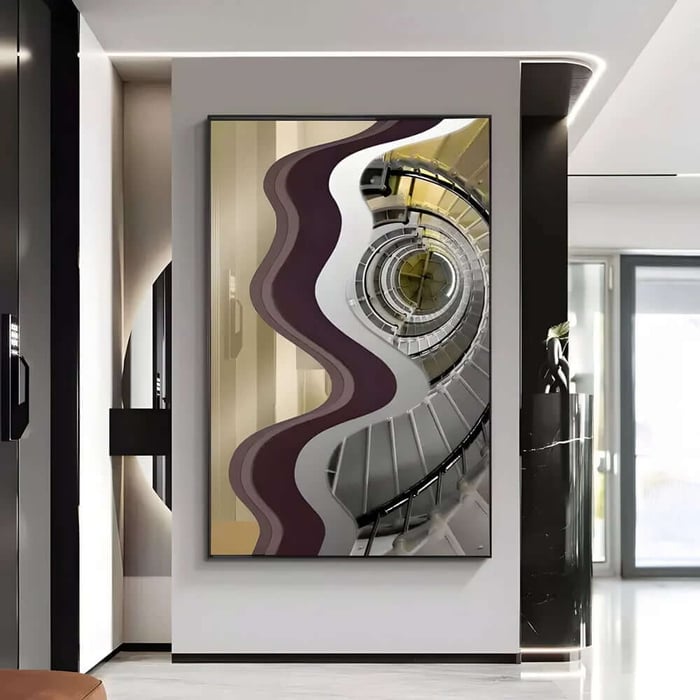
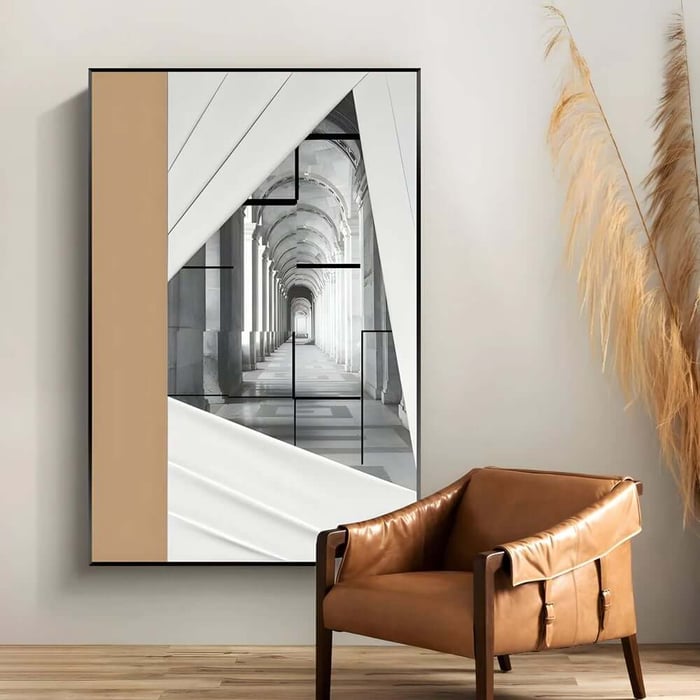
This is also why architectural wall art can make a room feel larger. Prints that show corridors, arches, staircases, or vaulted ceilings create visual depth, making flat walls feel like they have distance. If you want a clean, modern look, architecture prints with strong perspective lines are one of the simplest ways to add space without changing the room itself.
Large, open spaces encourage freedom and connection. Smaller, enclosed spaces offer privacy and focus. Transitions between these areas are just as important as the spaces themselves. A gradual shift from dark to light or low to high ceilings can create a sense of journey within a building.
Spatial design also shapes movement. Curved paths slow people down, while straight lines encourage direct travel. On a wall, those same lines guide the eye through the artwork, which is why architecture-inspired pieces can feel naturally balanced even in minimalist rooms.
Texture and Material: The Tactile Language of Architecture
Texture is often overlooked because it appeals to touch as much as sight. Yet texture plays a vital role in how architecture feels. Smooth stone, rough concrete, warm timber, or cool metal each communicate something different.
In architecture art, materials are chosen not only for durability but for how they age, reflect light, and interact with the human body. A textured wall catches shadows differently throughout the day. A worn floor tells a story of use and time.
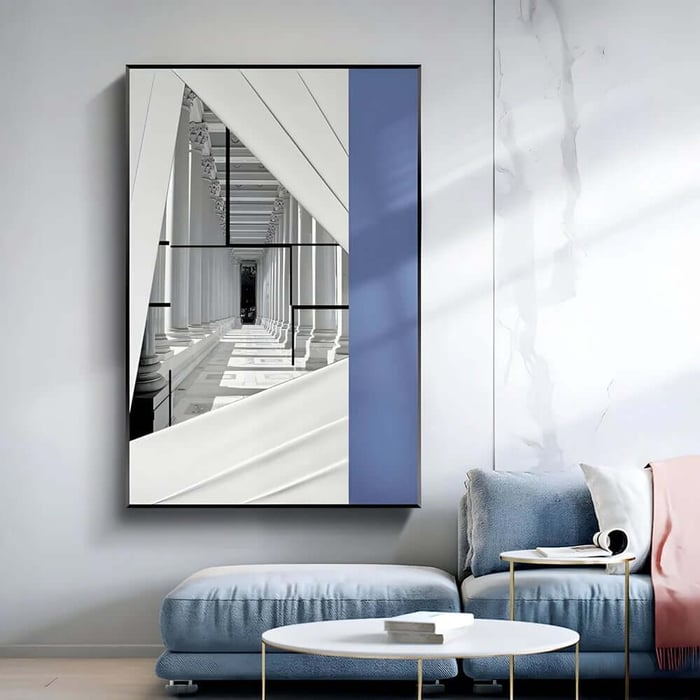
Texture matters in artwork too, even when you can’t physically touch it. A good architecture painting or print can show the grain of wood, the roughness of concrete, or the polish of stone through highlights and shadow detail. That’s why framed architectural artwork often feels richer than plain decorative prints it brings a sense of material presence into interiors.
Texture also creates contrast. Pairing polished surfaces with raw materials adds richness and balance. These combinations help architecture feel layered and considered rather than flat or sterile, and that layered look translates beautifully into wall art.
When Light, Space, and Texture Work Together
The most compelling examples of architecture art emerge when light, space, and texture are designed as a unified whole. None of these elements works in isolation. Light reveals texture. Space gives light room to move. Texture gives space character.
Consider a gallery where daylight enters through a high window, washing over textured walls and opening into a quiet, expansive room. The experience feels deliberate and immersive. The building does not demand attention it earns it.
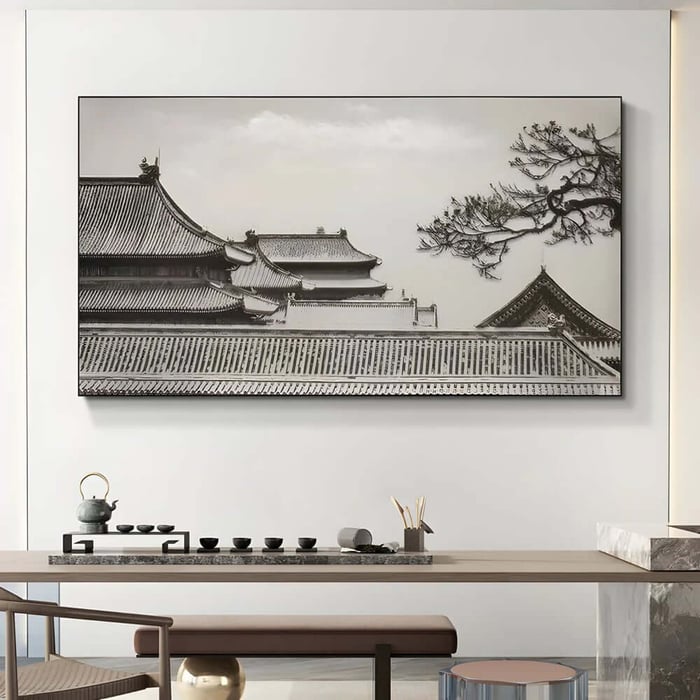
In wall decor, the same trio works like a formula for impact. Architectural wall art feels strongest when it captures light direction, real depth, and visible material detail in one scene. That combination makes architecture prints feel immersive, almost like a window into another space, which is exactly why they work so well in modern interiors.
What to Look for in Architecture Art (Quick Checklist)
When you’re trying to spot architecture that feels like living art, look for details such as:
Shifting light and shadow that changes the mood throughout the day
Purposeful transitions between tight and open spaces
Materials with visible character, like grain, texture, or natural variation
Surfaces that catch light differently, revealing depth and detail
A sense of movement, where the space guides you rather than stopping you
Emotional impact, whether that’s calm, awe, intimacy, or energy
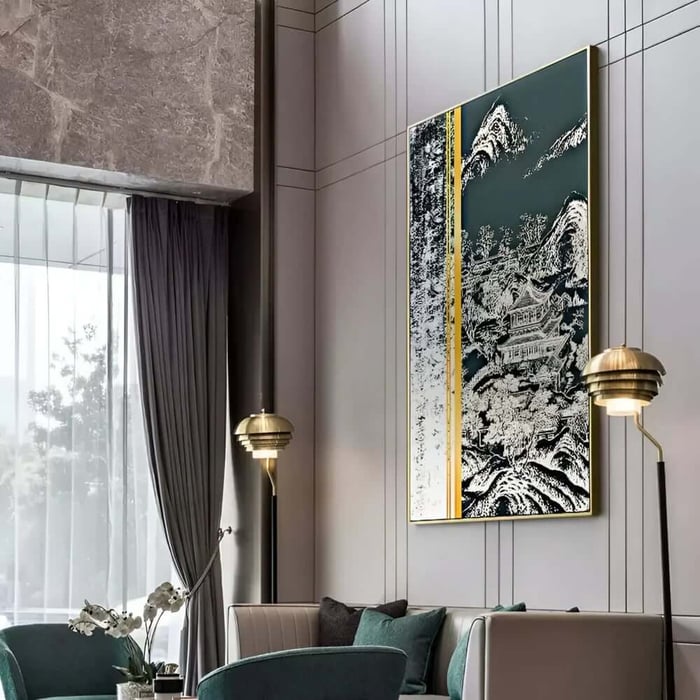
Architecture as Living, Changing Art
Unlike paintings or sculptures, architecture cannot be separated from daily life. It is lived in, passed through, and altered by use. This is what makes architecture art unique. It evolves.
Weather softens materials. Footsteps polish floors. Light changes with seasons. Even the people who inhabit a space become part of the composition. In this way, architecture shares qualities with immersive art forms, similar to how 3D art invites viewers to engage from multiple angles rather than a single viewpoint.
Because architecture changes, it encourages repeated interaction. A space you experience differently each time you visit holds artistic value beyond appearance and a good architectural print does the same, revealing new details each time you notice the shadows, lines, and textures again.
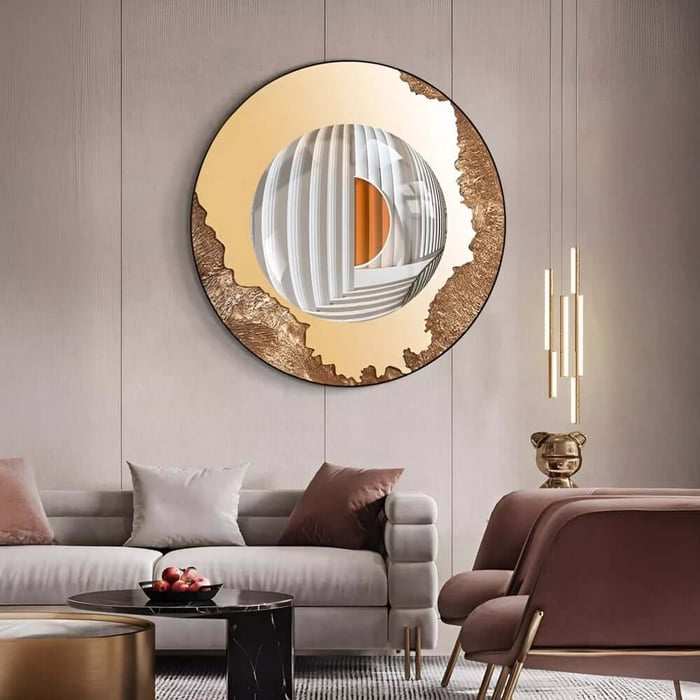
Cultural Meaning and Human Connection
Architecture does not exist in a vacuum. It reflects culture, values, and identity. Artistic architecture often draws inspiration from local materials, climate, and traditions, grounding it in place.
In quieter designs, simplicity and balance play a central role. Some architects embrace principles similar to zen art, where restraint, natural materials, and negative space allow meaning to emerge subtly rather than through excess.
This approach encourages mindfulness. Spaces designed with intention invite people to slow down, observe, and connect both with the environment and with themselves. In many cases, the way light falls across these materials and spaces is what quietly turns culture into something you can feel.
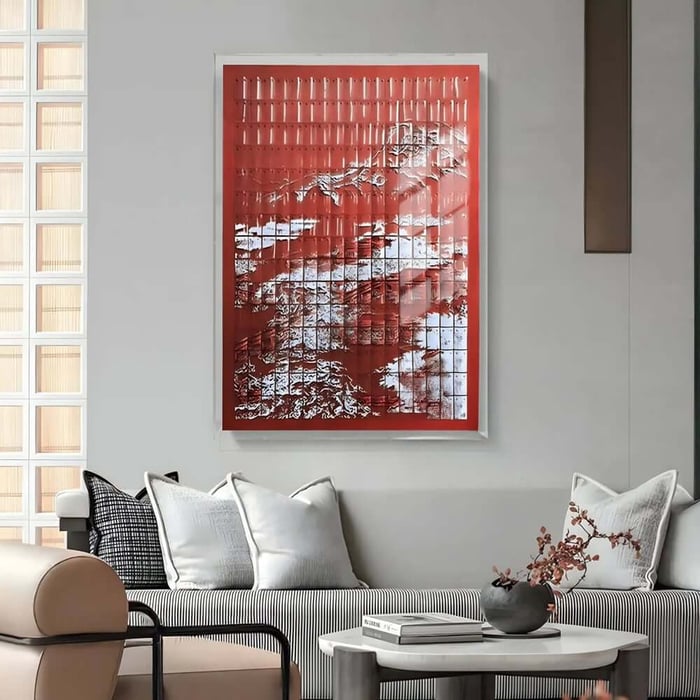
Why Architecture Art Matters Today
In a world increasingly shaped by speed and efficiency, architecture art reminds us that buildings can do more than serve a function. They can improve wellbeing, inspire creativity, and strengthen communities.
That’s why architecture-inspired decor has become so popular in modern homes. Architectural wall art adds structure to softer interiors, helping rooms feel balanced and thoughtfully styled. Whether it’s a bold statement piece or a set of architecture prints, the goal is the same: bring the feeling of designed space into everyday living.
Thoughtful design has been shown to influence mood, productivity, and even social behaviour. Spaces that feel welcoming and balanced encourage interaction and care. This makes artistic architecture not a luxury, but a meaningful investment in human experience.
As cities grow denser, the need for architecture that responds to emotion and environment becomes even more important. Artful design helps spaces feel humane rather than overwhelming.
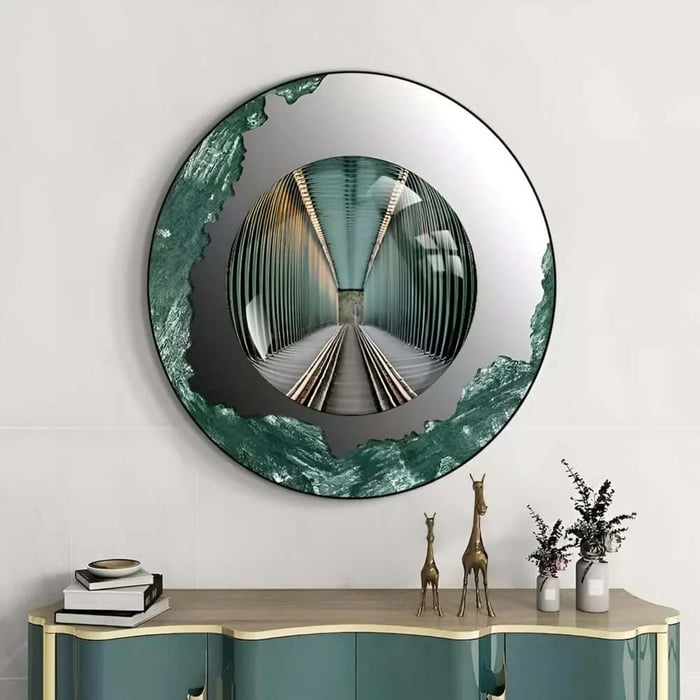
Conclusion: Where Architecture Becomes Experience
Light, space, and texture are not decorative extras; they are the language through which architecture speaks. When designed with care, they transform buildings into living art that evolves with time and use.
Architecture art is felt as much as it is seen. It guides movement, shapes emotion, and creates connection. By understanding how these elements work together, we begin to see architecture art not as static objects, but as experiences that surround and respond to us.
With the right architectural wall art or architecture prints, you can carry the mood of great buildings light, depth, and texture into the spaces where you actually live.
If you are drawn to spaces that feel thoughtful, expressive, and alive, explore the collection styling and discover how architecture can continue to blur the line between structure and art.
FAQs
What does “architecture art” mean in wall art and prints?
Architecture art in wall decor refers to artwork inspired by buildings, interiors, and structural forms like arches, staircases, and corridors. It captures the feeling of architecture through composition, perspective, and detail. In homes, it creates a clean, intentional look that feels both artistic and timeless.
Why do architecture prints feel so calming in a home?
Many architecture prints use symmetry, repetition, and soft natural light, which the brain often reads as orderly and soothing. That visual structure can make a room feel more balanced and grounded. It’s especially effective in busy homes where you want a calmer atmosphere.
How do architecture prints capture light and shadow?
Architectural images often rely on light direction, contrast, and shadow patterns to reveal depth and form. In prints, that interplay becomes the main “mood-maker” of the piece. Bright, airy light tends to feel open and uplifting, while deeper shadows feel dramatic and intimate.
Can architectural wall art make a room look bigger?
Yes, especially when the artwork features strong perspective like long corridors, arches, tunnels, or staircases. These create visual depth, which can make walls feel further away. It’s a smart choice for smaller living rooms, hallways, and home offices.
Where should I hang framed architectural artwork?
It looks best where it can act as a focal point, such as above a sofa, bed, console table, or in a hallway. If the artwork has strong vertical lines or vaulted ceilings, it can also make ceilings feel higher. For sets of prints, aim for consistent spacing and alignment so it looks intentional.