









Table of Contents
- Understanding Abstract Sculptures Beyond Appearance
- Materials That Shape Form and Meaning
- Methods Used to Create Abstract Sculptures
- The Role of Balance and Space
- Meaning Without Literal Interpretation
- Why Craftsmanship Still Matters
- Abstract Sculptures in Contemporary Spaces
- Conclusion: Why Process Defines the Power of Abstract Sculptures
- FAQs
Abstract sculptures occupy a distinctive space in contemporary art. They are neither bound to realism nor limited by function, yet they often feel intentional, balanced, and deeply considered. While viewers may encounter them first through emotion or intuition, the process behind abstract sculptures is deliberate, layered, and rooted in material understanding.
This article explores how abstract sculptures are made, examining the materials artists choose, the meanings they seek to convey, and the methods used to transform raw matter into sculptural form. Along the way, it also touches on why craftsmanship and material decisions influence both artistic value and long-term appeal.
Understanding Abstract Sculptures Beyond Appearance
Abstract sculptures are not designed to replicate the visible world. Instead, they focus on form, proportion, surface, and spatial presence. The absence of a literal subject allows artists to communicate ideas through balance, tension, rhythm, and scale.
For collectors, designers, and curators, this abstraction creates lasting relevance. A well-executed abstract sculpture can adapt to changing environments while retaining its conceptual strength. Its meaning may shift depending on context, yet the integrity of the form remains.
Before materials are chosen or tools are lifted, most sculptors begin with a conceptual framework. This may be a response to movement, landscape, emotion, or even architectural structure. Meaning in abstract sculptures is rarely accidental; it emerges from repeated refinement and conscious decision-making.
Materials That Shape Form and Meaning
Material choice is one of the most defining aspects of abstract sculpture. Each medium carries its own physical limits, visual qualities, and emotional associations.
Metal and Industrial Materials
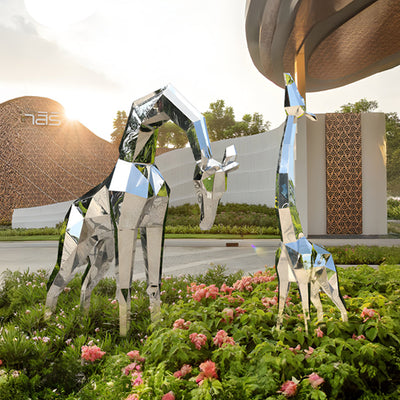
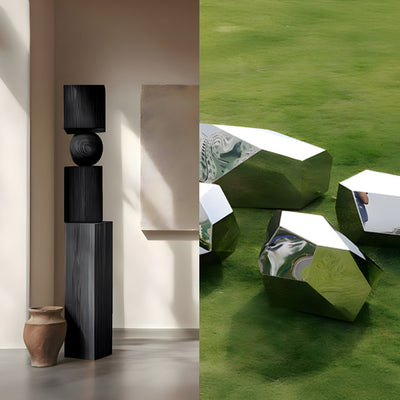
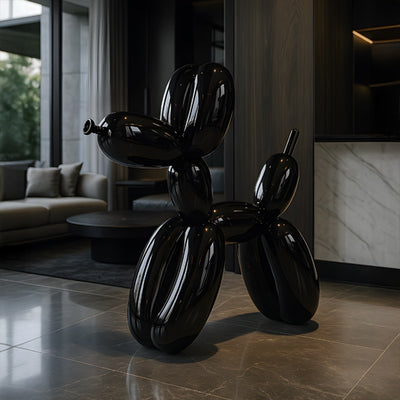
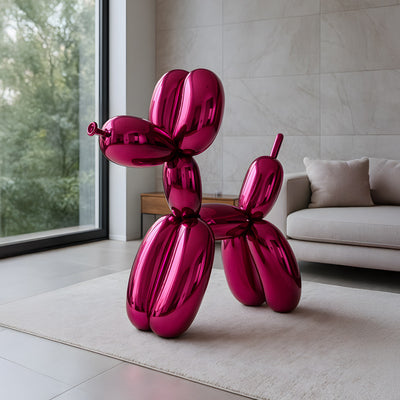
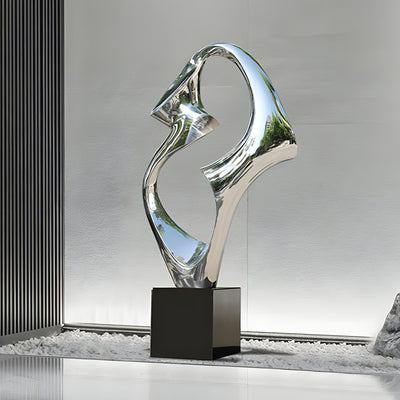
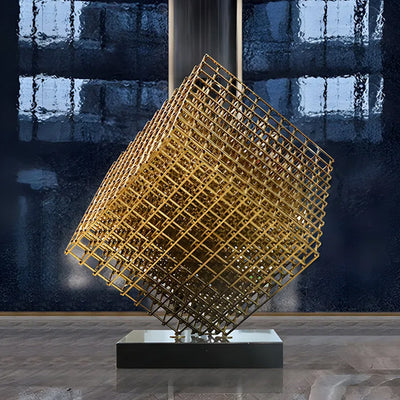
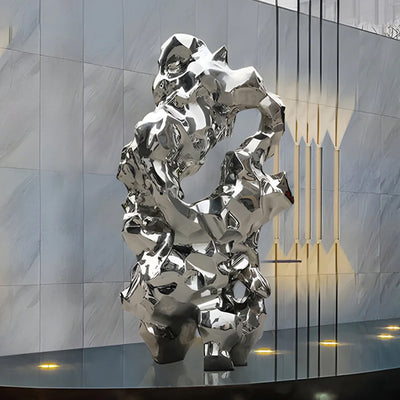
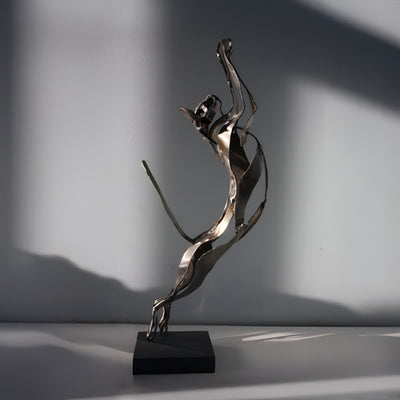
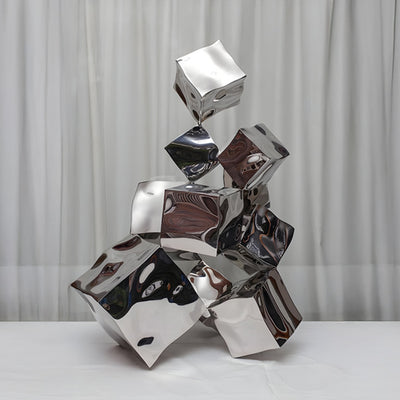
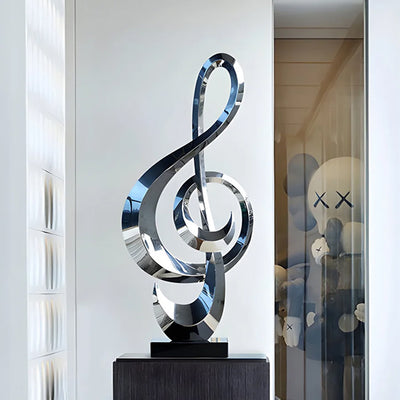
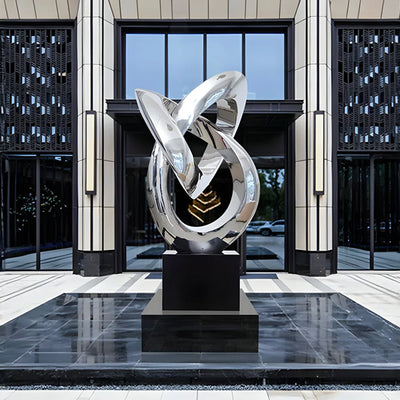
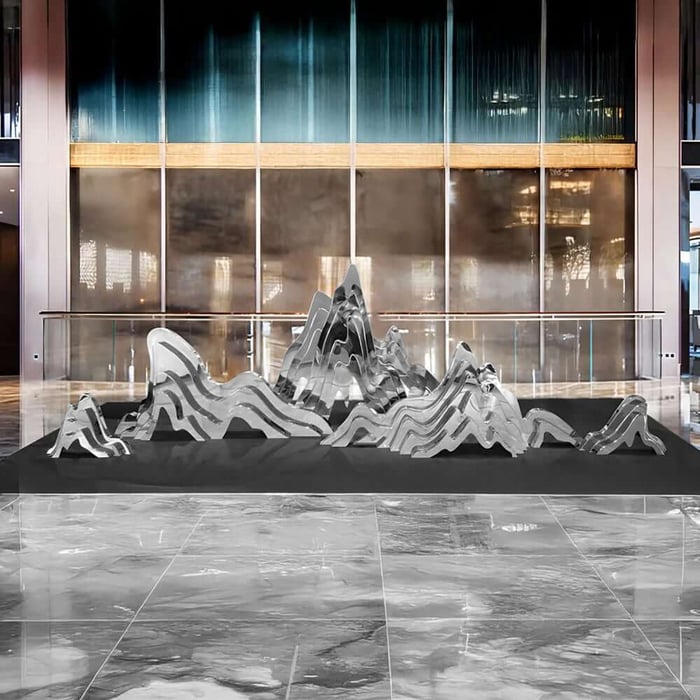
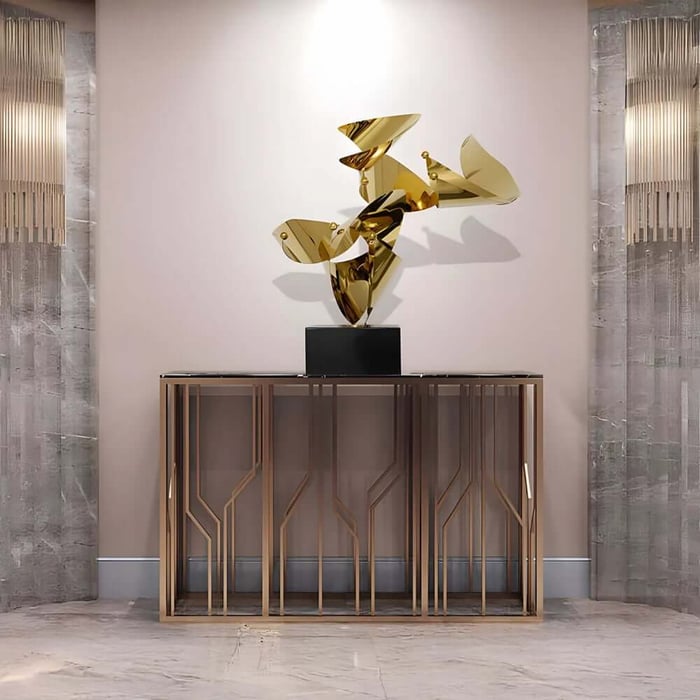
Metal remains one of the most widely used materials in abstract sculpture. Its strength allows for open forms, suspended elements, and structural confidence. Surface finishes can range from raw and textured to polished and reflective, each producing a different visual effect.
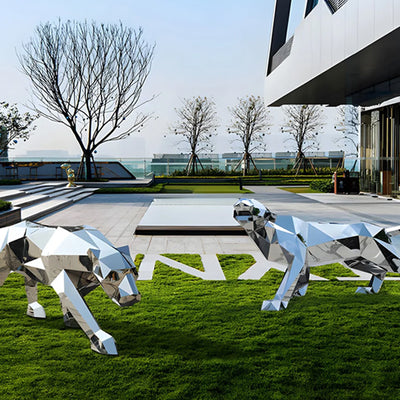
In contemporary practice, many artists work with steel sculptures because of their durability and clean aesthetic. This material responds well to light and environment, making it particularly effective in modern interiors and outdoor settings.
Stone, Clay, and Earth-Based Materials
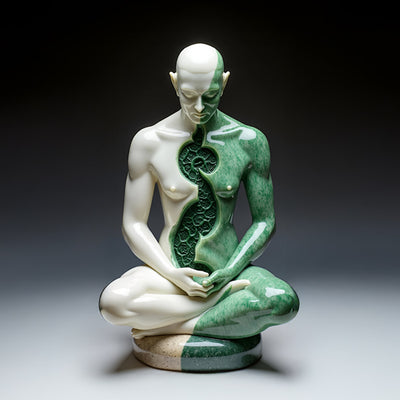
Stone and ceramic materials offer a different relationship to form. They are grounded, tactile, and closely tied to tradition. When used in abstract sculptures, these materials highlight mass, balance, and surface variation rather than precision alone.
Clay, in particular, allows for an intuitive process. The marks left by the hand often remain visible, adding an expressive quality that reinforces the sculptor’s presence within the work.
Mixed Media and Contemporary Approaches
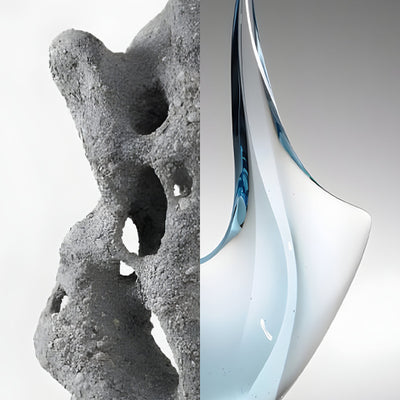
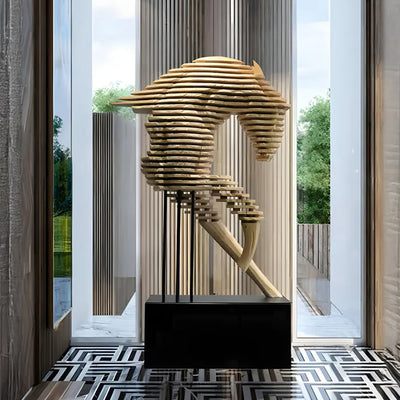
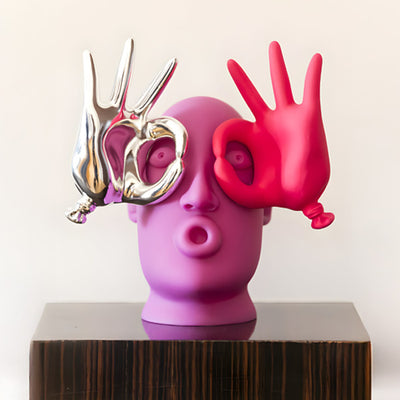
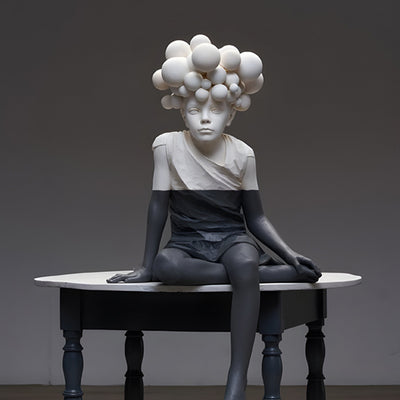
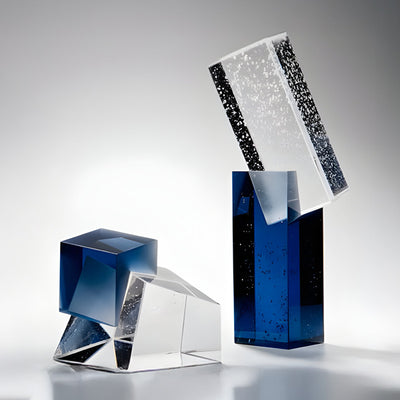
Some sculptors combine materials to explore contrast. Smooth surfaces may sit beside rough textures, or rigid forms may intersect with softer curves. These combinations are not decorative; they are part of the sculpture’s conceptual language.
In recent years, artists have increasingly explored organic sculptures that reference natural growth, erosion, and movement. These works often blur the line between abstraction and nature without becoming representational.
Methods Used to Create Abstract Sculptures
The methods behind abstract sculpture vary as widely as the artists themselves. However, most processes follow a progression from exploration to refinement.
Concept Development and Sketching
Many sculptors begin with drawings, small maquettes, or digital models. These early studies help test proportion and balance before committing to a final scale. While some artists plan extensively, others allow the process to evolve through making.
Building, Carving, and Casting
Depending on the material, abstract sculptures may be built, carved, or cast. Metal works are often fabricated through cutting and welding, while stone requires subtraction and precision. Casting allows for repetition and surface consistency, particularly in ceramic and resin forms.
Regardless of technique, successful abstract sculpture relies on restraint. Each decision must support the overall form rather than overwhelm it.
Refinement and Surface Treatment
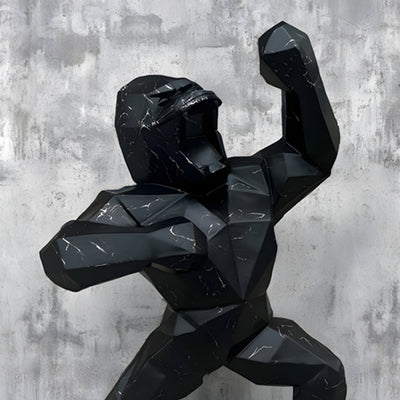
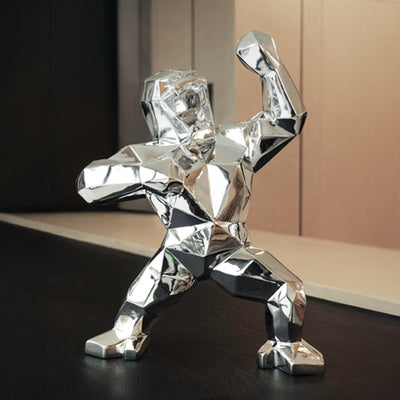
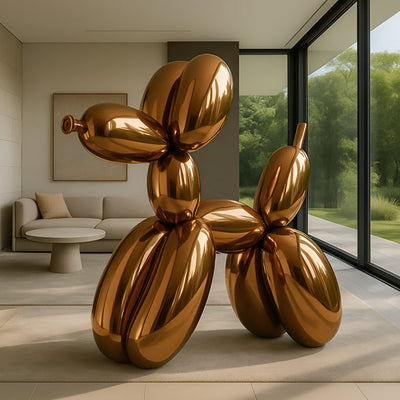
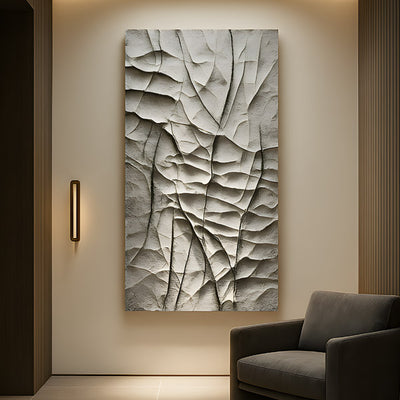
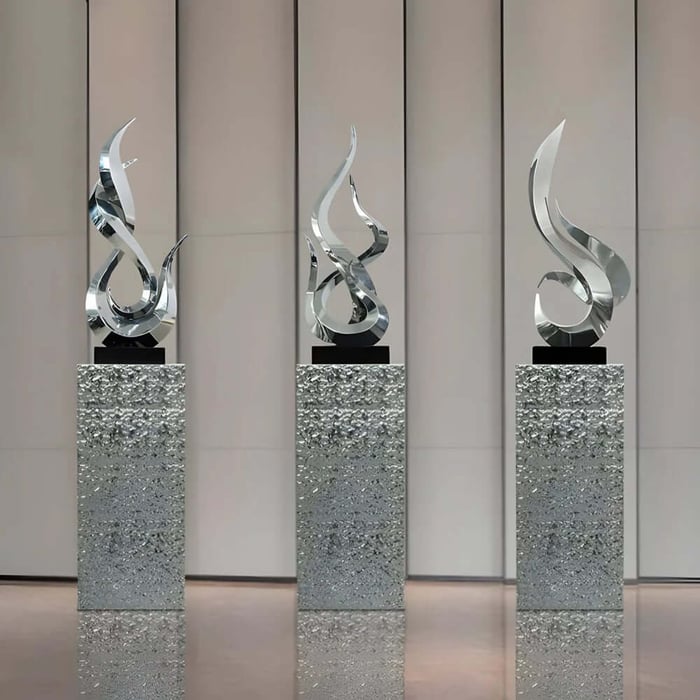
Surface treatment plays a crucial role in how abstract sculptures are perceived. Texture can soften or sharpen a form, while finishes influence how light interacts with the piece. Subtle changes at this stage can dramatically alter the sculpture’s presence.
The Role of Balance and Space
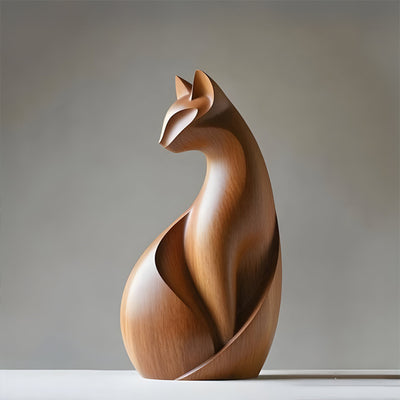
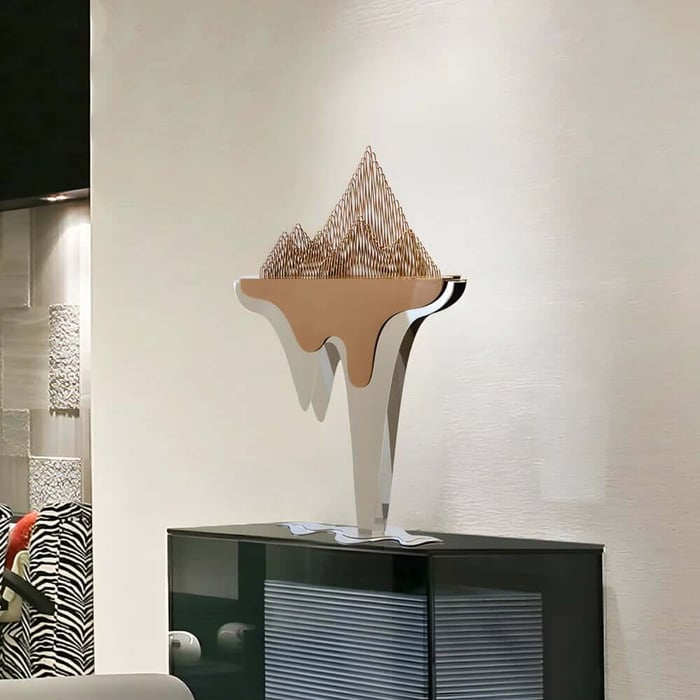
Balance is central to abstract sculpture, even when a piece leans into asymmetry. Visual weight, negative space, and proportion work together to steer the eye and create a sense of stability. A slight shift in height, curvature, or thickness can change the work’s mood from calm to tense. These choices shape how the viewer reads the form from the first glance.
Unlike two-dimensional art, abstract sculptures actively engage the space around them. They reveal new lines and silhouettes as you move, turning viewing into a physical experience rather than a fixed moment. Light and shadow become part of the composition, emphasising edges, hollows, and surface changes. That evolving relationship between object and environment is exactly why abstract sculpture feels so at home in galleries, architectural settings, and private collections.
Meaning Without Literal Interpretation
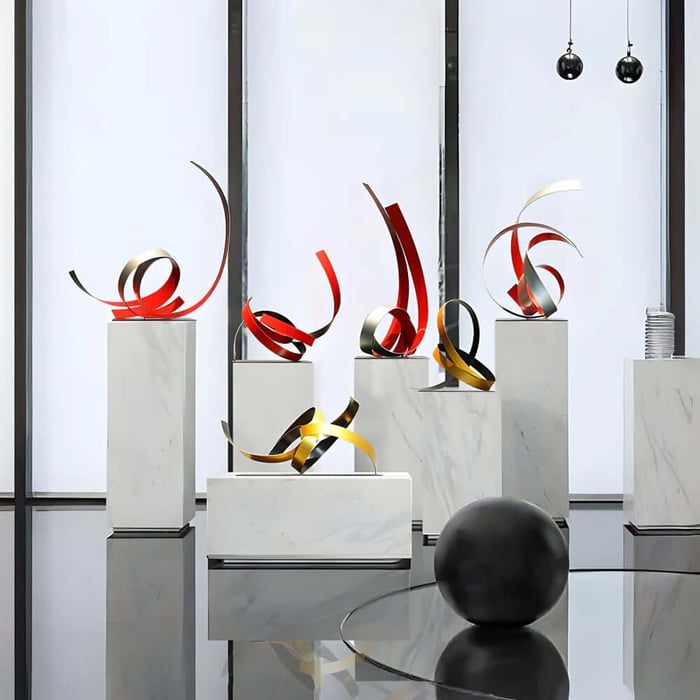
One of the defining qualities of abstract sculptures is their openness to interpretation. Meaning is suggested rather than spelled out, which gives the viewer room to think and feel. That freedom is part of what makes the experience personal.
For some people, the connection is immediate and emotional, almost like a mood you can’t quite name. For others, it’s more analytical, drawing attention to structure, balance, and decision-making. Either way, the work rewards time and repeated viewing.
From an artistic perspective, abstraction allows sculptors to communicate ideas without relying on a single story or cultural reference point. Because the message isn’t tied to a literal subject, it travels well across spaces and audiences. That flexibility helps explain why abstract sculpture remains relevant in galleries, public settings, and private collections.
Why Craftsmanship Still Matters
One of the defining qualities of abstract sculptures is their openness to interpretation. Meaning is suggested rather than spelled out, which gives the viewer room to think and feel. That freedom is part of what makes the experience personal.
For some people, the connection is immediate and emotional, almost like a mood you can’t quite name. For others, it’s more analytical, drawing attention to structure, balance, and decision-making. Either way, the work rewards time and repeated viewing.
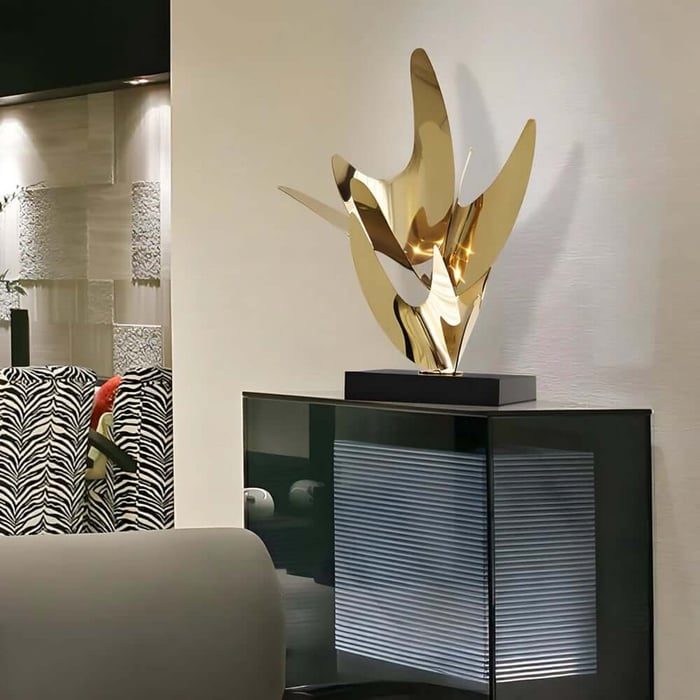
Abstraction also shifts attention onto the essentials: form, material, and presence. Without a recognisable subject, details like surface texture, rhythm, and negative space carry more weight. Small choices become the message.
From an artistic perspective, abstraction allows sculptors to communicate ideas without relying on a single story or cultural reference point. Because the message isn’t tied to a literal subject, it travels well across spaces and audiences. That flexibility helps explain why abstract sculpture remains relevant in galleries, public settings, and private collections.
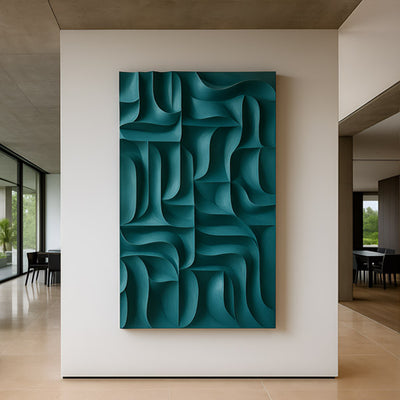
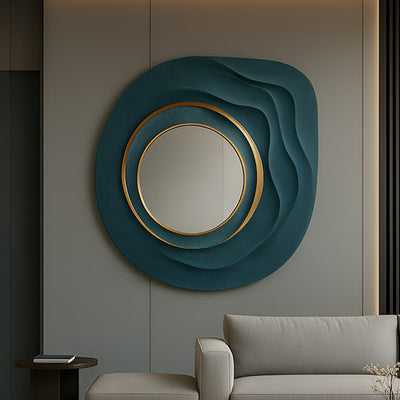
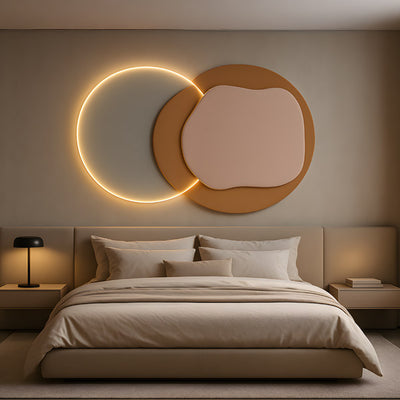
Abstract Sculptures in Contemporary Spaces
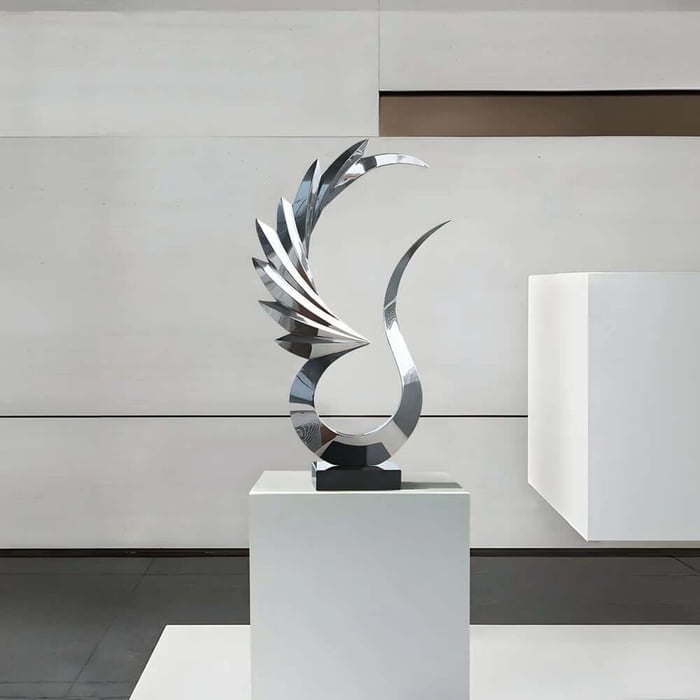
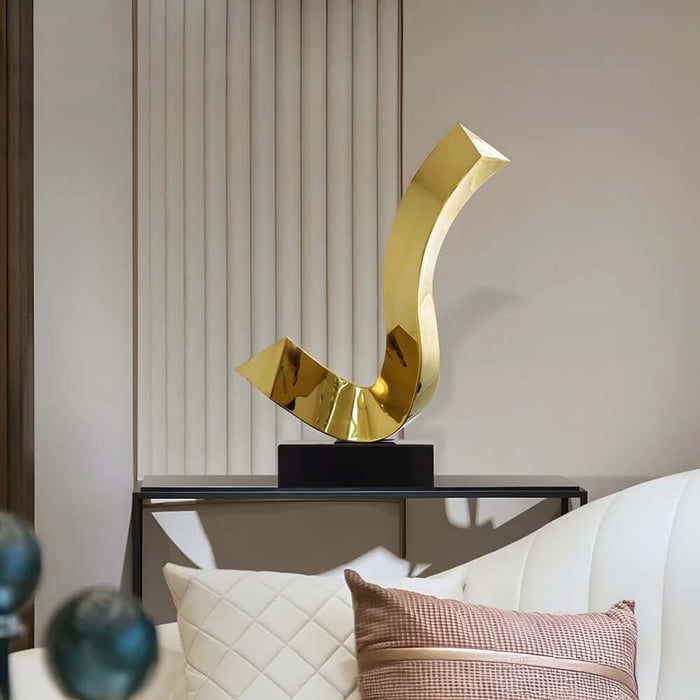
In homes, offices, and public settings, abstract sculptures tend to work best when you match the piece to the space rather than forcing the space to fit the piece. A few practical checks help:
Start with scale: Choose a size that feels intentional in the room, not like an afterthought or an obstacle.
Consider sightlines: Place it where people naturally pause or pass through, so the form can be appreciated from more than one angle.
Match the material to the environment: Outdoor settings need durability; indoor spaces can prioritise finish and detail.
Use light as part of the display: Natural light, spotlights, and shadows can completely change the sculpture’s presence.
Allow breathing room: Keep space around the work so the silhouette and negative space can read clearly.
Think about mood: Smoother forms often feel calm; sharper angles can feel energetic or tense.
Conclusion: Why Process Defines the Power of Abstract Sculptures
Understanding how abstract sculptures are made reveals why they hold such lasting presence. Materials influence emotion, methods determine integrity, and meaning emerges through disciplined refinement. What may seem spontaneous is often the result of careful balance and thoughtful restraint.
For those considering adding abstract sculpture to a collection or space, appreciating the process behind the work leads to more informed and confident choices. Craft, material, and intention are not background details; they are the foundation of value.
If you are exploring abstract sculptures for a private collection, architectural project, or curated environment, Giant Sculptures offers works where material, method, and meaning align with clarity and purpose. The strongest pieces do more than occupy space they define it.
FAQs
What are abstract sculptures made from?
Abstract sculptures are commonly made from metal, stone, ceramic, resin, or mixed materials. The choice depends on the desired finish, durability, and where the sculpture will be displayed.
How do I choose the right abstract sculpture for my space?
Start with scale and placement, then consider material and light. The sculpture should feel intentional in the space, not crowded, and work with the surrounding architecture and furnishings.
Are abstract sculptures a good investment?
Well-crafted abstract sculptures made from quality materials can hold long-term value, especially when the artist’s process, craftsmanship, and material choices are strong.
What makes an abstract sculpture high quality?
High-quality abstract sculptures show precision in form, clean joins or finishes, balanced proportions, and thoughtful surface treatment. Craftsmanship is often visible up close.
Can abstract sculptures work in modern interiors?
Yes. Abstract sculptures are particularly suited to modern interiors because their forms complement clean lines, open spaces, and contemporary materials without overpowering the room.