































































Table of Contents
- A Short History of Wildlife Sculptures
- Early roots: animals as survival, identity, and belief
- Ancient civilisations: animals as gods and symbols
- The classical world and medieval Europe: realism emerging
- Naturalism and the rise of specialist animal sculptors (18th–19th centuries)
- The 20th century to today: style diversity and private collecting
- The Most Popular Animals in Wildlife Sculptures (and Why)
- Current Trends Shaping Modern Wildlife Sculptures
- How Wildlife Sculptures Are Made (From Idea to Finished Piece)
- Choosing the Right Wildlife Sculpture for Your Home or Garden
- Displaying and Caring for Wildlife Sculptures Over Time
- Conclusion: Choosing Wildlife Sculptures with Confidence
- FAQs
Wildlife sculptures are three-dimensional artworks that represent animals, created for display indoors, outdoors, or in public spaces. They range from highly realistic pieces that follow accurate anatomy to abstract forms that suggest movement and character through simplified lines. People choose them for many reasons: to bring nature closer to home, to mark a memory, to make a statement in a garden, or to celebrate a species they love.
This article explores how wildlife sculptures developed over time, why certain animals have become enduring favourites, and what current design trends are shaping wildlife sculptures today. By the end, you’ll have a clear understanding of the art form and practical insight into how these works fit into modern living.
A Short History of Wildlife Sculptures
Early roots: animals as survival, identity, and belief
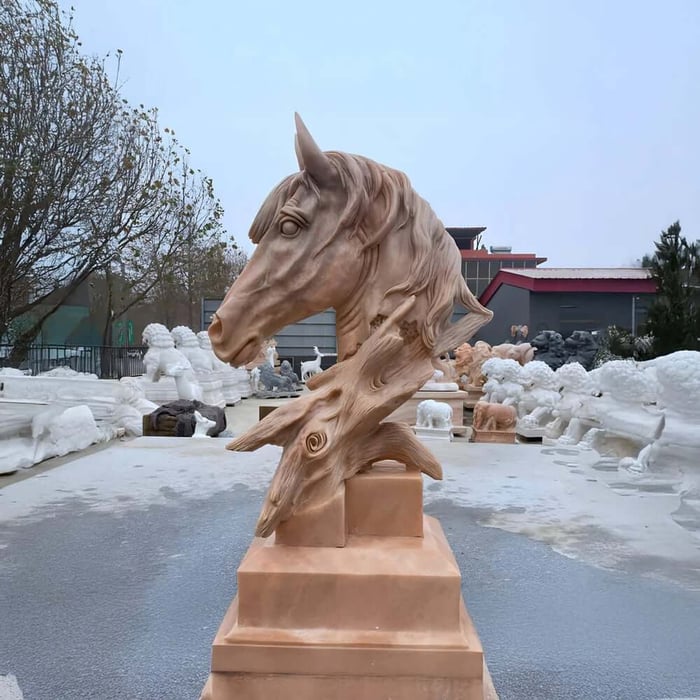
The earliest animal carvings date back tens of thousands of years. In prehistoric communities, animals were central to life. They were hunted, feared, respected, and watched closely. Early sculpture reflected that relationship. Small carvings of bison, horses, mammoths, and birds were made from stone, bone, and clay. These works were likely tied to survival and belief systems, rather than decoration alone. Their creators studied shape and movement because accuracy mattered.
Ancient civilisations: animals as gods and symbols
As societies became more complex, animal imagery took on formal symbolism. In Ancient Egypt, animals were associated with divine figures and protective spirits. Cats, falcons, ibis, crocodiles, and bulls appeared in temples and tombs. A falcon sculpture, for instance, could refer to Horus and represent kingship and protection. The aim was not only to show an animal, but to express power, reverence, or guidance.
Elsewhere, in Mesopotamia and the broader Near East, lions and horses were carved into statues and architectural reliefs to reflect authority and strength. Animals were used to signal status, spiritual ideas, and the relationship between rulers and the natural world.
The classical world and medieval Europe: realism emerging
Greek and Roman artists pushed animal sculpture towards realism. They studied proportion, bone structure, and muscle groups, aiming to capture believable stances and motion. This period helped establish the technical foundations that later sculptors built on, especially for lifelike horses, dogs, lions, and birds.
During medieval times in Europe, animals continued to appear in sculpture, particularly on churches and civic buildings. Some were naturalistic; others were mythical or moral symbols. The goal often blended storytelling, decoration, and public meaning.
Naturalism and the rise of specialist animal sculptors (18th–19th centuries)
The modern tradition of wildlife sculpture truly bloomed in the 18th and 19th centuries. Exploration, natural history collections, and a growing public curiosity about the animal world encouraged artists to study wildlife in detail. Sculptors began specialising in animals, observing them in zoos, on estates, and through scientific drawings.
The period also saw bronze casting become more widely used. Bronze allowed artists to preserve fine detail and produce durable pieces for both private collections and public monuments. Many classic animal sculptors of this era focused on quiet realism: not just what an animal looked like, but how it carried itself.
Key takeaway: Animal sculpture shifted from spiritual symbolism toward careful natural observation as scientific study and public interest in wildlife expanded.
The 20th century to today: style diversity and private collecting
In the 20th century, wildlife sculptures broadened in style in a way earlier periods hadn’t really allowed. Some artists stayed faithful to realism, deepening anatomical knowledge and surface detail so the animal felt true-to-life from every angle. Others turned towards abstraction, simplifying bodies into smooth forms, bold silhouettes, or geometric statements that focused more on gesture and presence than on literal accuracy. This shift was influenced by wider movements in modern art, where experimentation, minimalism, and personal expression became just as important as technical precision.
At the same time, sculpture moved from grand civic settings into private gardens and homes. Across Europe and beyond, public parks, zoos, and memorial spaces continued to commission animal works, but a growing middle class and expanding garden culture meant ordinary people started buying wildlife pieces too. Smaller bronzes, cast stone figures, and later resin works made animal sculpture more accessible, letting collectors bring a sense of nature into patios, courtyards, conservatories, and even indoor shelves. The rise of garden design as a lifestyle trend in the late 20th century also played a part: sculptures became focal points, storytelling elements, and ways to give identity to outdoor spaces rather than purely decorative add-ons.
Today, you’ll find these animal sculptures on country estates, city balconies, interior shelves, and in vast public parks, reflecting the many ways people connect to animals. Some collectors look for lifelike pieces that feel calm and grounded in the landscape; others prefer contemporary designs that add contrast and drama. You also see more work tied to conservation themes and endangered species, showing how modern sculpture often aims to spark emotion or awareness as well as admiration. If you enjoy timeless art traditions, you’ll notice plenty of crossover between wildlife sculptures and classic sculptures, especially in the way both celebrate form, balance, and storytelling.
The Most Popular Animals in Wildlife Sculptures (and Why)
Certain animals appear repeatedly in wildlife sculptures because they resonate culturally, visually, and emotionally. Their forms suit sculpture, and their meanings feel familiar to buyers.
Birds: freedom, grace, and a sense of place
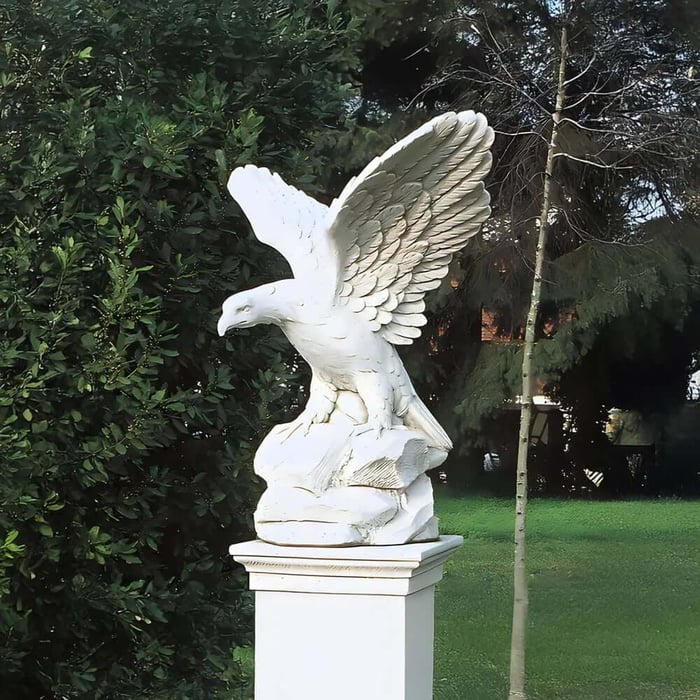
Birds are among the most common subjects. Robins, owls, cranes, herons, and songbirds fit naturally into gardens and interiors because they’re part of everyday landscapes. Their symbolism is rich: freedom, perspective, hope, watchfulness. Sculpturally, birds offer elegant lines, clear silhouettes, and opportunities for fine texture in feathers.
Deer and stags: calm strength and woodland identity
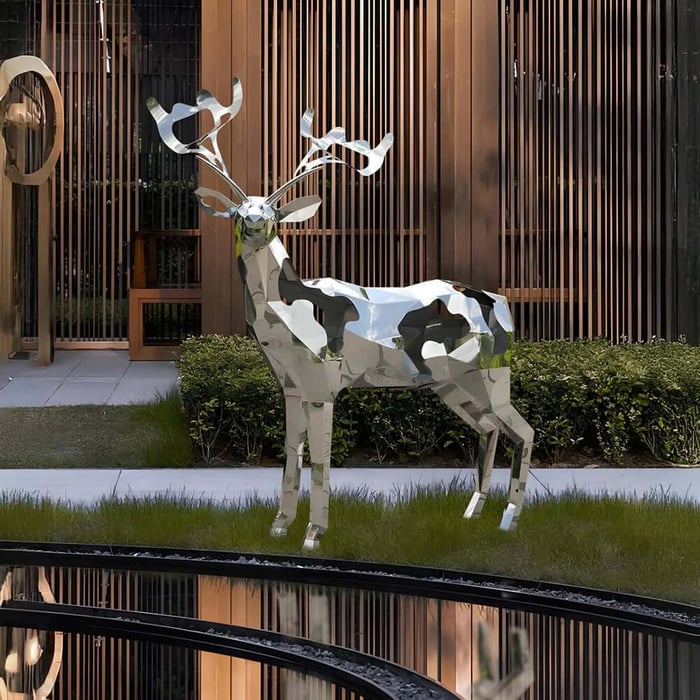
Deer sculptures are especially popular in British gardens and woodland settings. A stag brings dignity and presence; a doe adds softness. Their long limbs and alert stance create visual balance, and their cultural associations, renewal, the forest, and gentle strength are widely understood. Deer also blend well into planted borders, making them feel discovered rather than imposed.
Big cats: power, tension, and movement
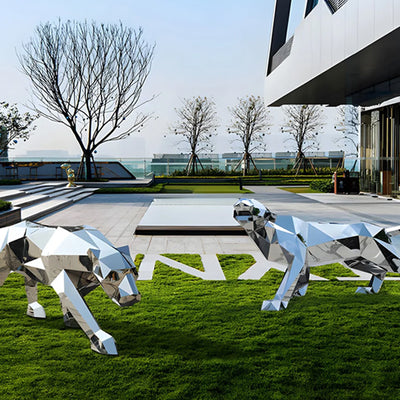
Lions, tigers, leopards, and panthers remain favourites in wildlife sculptures, particularly in bronze and metal. Big cats symbolise leadership, courage, speed, and self-possession. From an artistic viewpoint, their bodies express tension and motion even while still, which gives a sculpture energy. A crouched leopard or striding lion can hold attention from across a garden.
Elephants and other large mammals: memory and presence
Elephants, rhinos, and giraffes are often chosen as statement pieces. Their scale conveys calm authority, and their forms are instantly recognisable. Elephants, in particular, are linked with wisdom, loyalty, and long memory. For many people, an elephant sculpture feels personal, a marker of travel, family values, or admiration for the species.
Foxes, hares, and woodland animals: character and charm
Smaller wildlife subjects feel intimate and story-driven. Foxes, hares, badgers, and hedgehogs bring personality into a space. A hare mid-bound or a fox looking back over its shoulder suggests a moment in time. These pieces are commonly placed beside paths, near patios, or tucked in borders where they feel like quiet companions.
Marine wildlife: calm and flow
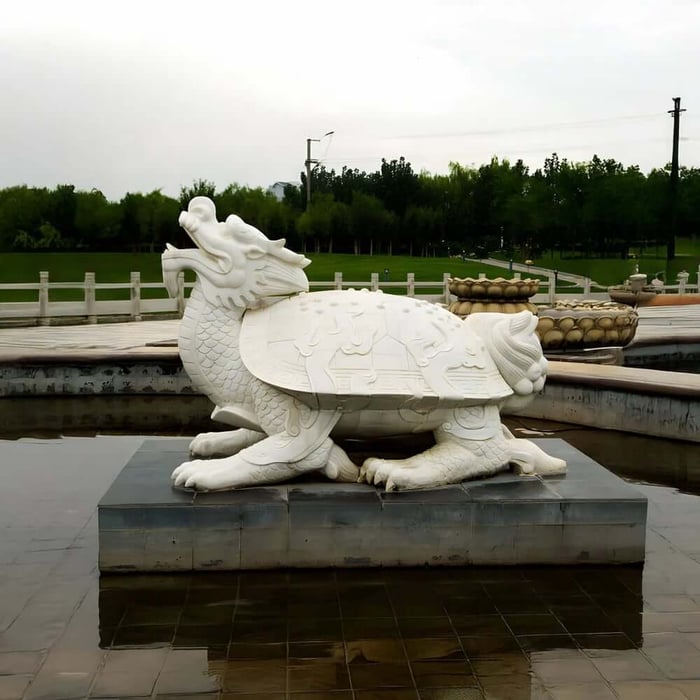
Sea creatures and coastal birds appear frequently in homes near water or gardens with ponds. Dolphins, fish, turtles, and seabirds lend themselves to curved lines and smooth finishes. They bring a gentle, reflective mood to a space.
Current Trends Shaping Modern Wildlife Sculptures
Modern wildlife sculptures reflect how people live today, what they value, and how design tastes are shifting.
1. Outdoor living and gardens as living spaces
Gardens are increasingly treated as extensions of the home, outdoor rooms for relaxing, socialising, and dining. That has raised interest in outdoor wildlife sculptures that can hold their own in landscaped settings. People are choosing pieces that function like focal furniture: a sculpture that anchors a border, defines a terrace, or draws the eye to a view.
2. Realism with emotional focus
Realistic wildlife sculptures are thriving. Many contemporary artists study anatomy and movement closely, but the goal is not cold precision. The most sought-after realistic pieces capture mood: alertness, stillness, play, or tension. This approach produces lifelike work that feels warm and human, rather than museum-clinical.
3. Abstract and silhouette-driven designs
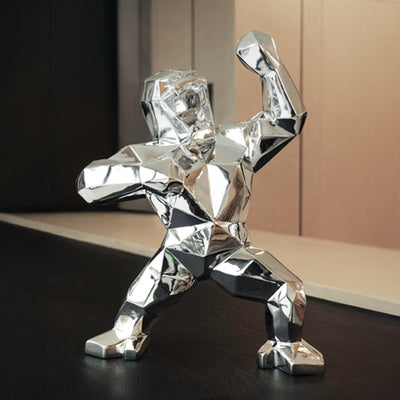
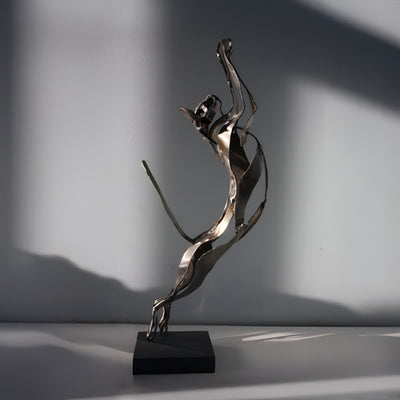
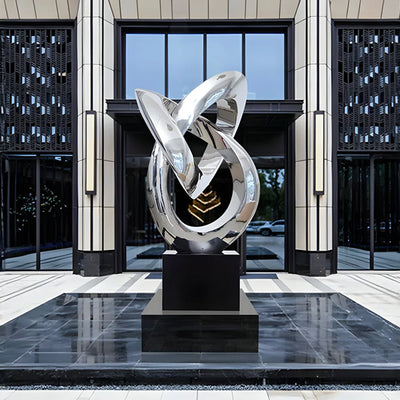
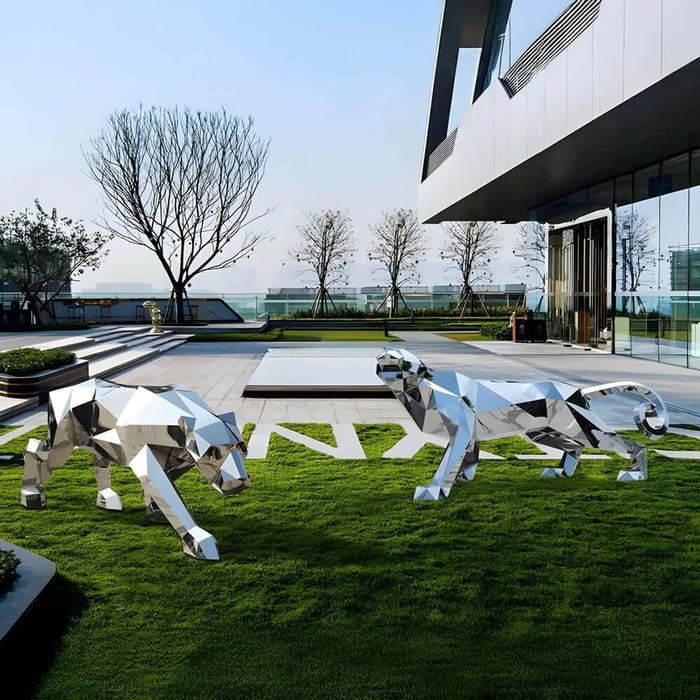
Alongside realism, abstract animal forms continue to grow in popularity. Clean silhouettes, geometric bodies, and simplified shapes work well in modern architecture and minimalist gardens. These pieces prioritise line, negative space, and form over detail, offering a contemporary way to bring animals into design.
4. Sustainable and experimental materials
Sustainability is influencing both materials and processes. Artists are experimenting with recycled metals, eco-resins, responsibly sourced wood, and low-waste casting methods. Buyers increasingly want animal sculptures that align with environmental values and responsible making.
5. Larger scale and single-piece impact
There’s a shift towards fewer, bigger pieces. Rather than filling a garden with many small ornaments, people often choose one dramatic work, a stag, bear, crane, or elephant to define the whole space. Life-size and oversized wildlife sculptures create strong focal-point effects and photograph beautifully, which also feeds their popularity on social media.
6. Storytelling sets and grouped scenes
Collectors are buying sculptures in pairs or small groups that suggest interaction: two hares boxing, birds in flight formation, a fox and cub, or a heron poised to fish. These sets invite narrative and make a garden feel alive and lived-in.
7. Conservation-led themes
Wildlife Sculptures increasingly connect to conservation. Artists highlight endangered species, use proceeds to support wildlife organisations, or design work that encourages conversation about habitats. This trend adds meaning beyond aesthetics and suits buyers who want their art to carry purpose.
How Wildlife Sculptures Are Made (From Idea to Finished Piece)
Understanding how wildlife sculptures are created makes it easier to spot quality and appreciate why certain works cost more than others. While every artist has their own process, most pieces follow a similar path.
Concept and reference
It usually starts with sketching and research. Sculptors often gather reference photos or study animals in real life to understand posture, muscle placement, and movement. For realistic pieces, this stage is crucial because accuracy depends on knowing how an animal actually stands, rests, or turns.
Building the original model
Next comes the “master” sculpture, commonly made in clay, wax, or resin. The artist shapes the animal by hand, refining details like fur direction, feather layering, or facial expression. This original model carries the personality of the piece; it’s where the animal’s character really appears.
Mould-making and casting
If the sculpture is meant to be reproduced (especially in bronze), a mould is taken from the original. Bronze animal sculptures are typically made using the lost-wax method, where a wax copy is created, coated in a ceramic shell, melted out, and replaced with molten bronze.
For cold-cast bronze or resin pieces, the mould is filled with a resin mixture instead. This technique keeps fine detail but reduces weight and cost.
Finishing and patina
Once cast, the surface is cleaned, sharpened, and polished. On bronze pieces, a patina is applied using heat and chemical solutions to create rich tones from deep brown to green or gold. Modern artists also experiment with textured finishes for added realism or drama.
Why making methods matter
Two sculptures might look similar at first glance, but their making methods can explain differences in quality, durability, and price. A carefully cast and hand-finished piece will hold detail, weather well outdoors, and feel more alive when viewed up close.
Choosing the Right Wildlife Sculpture for Your Home or Garden
Even if you’re mainly interested in the art, a little practical thinking helps you choose wisely.
Start with the setting
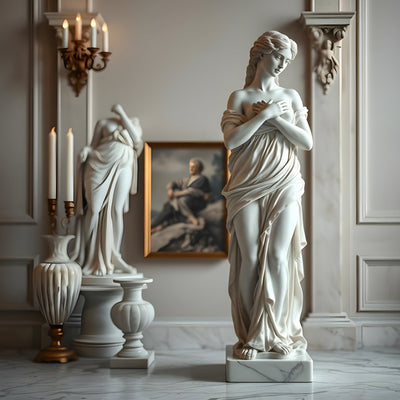
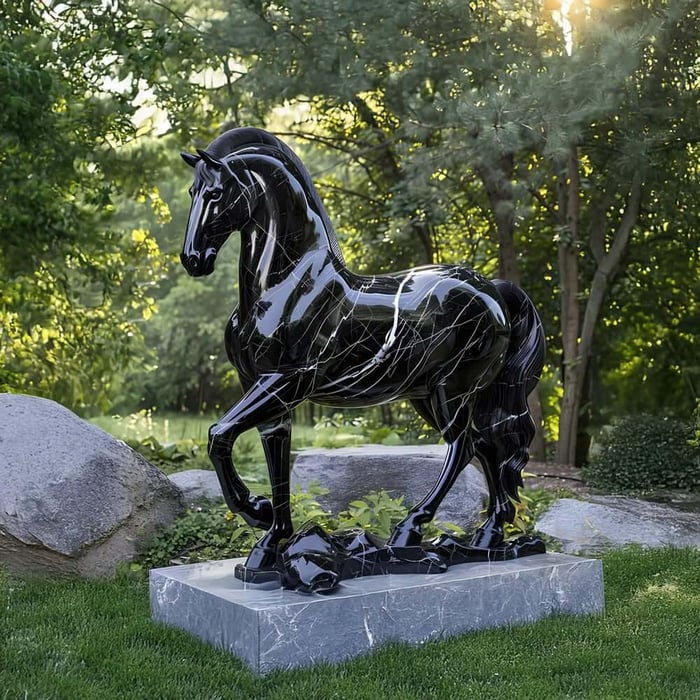
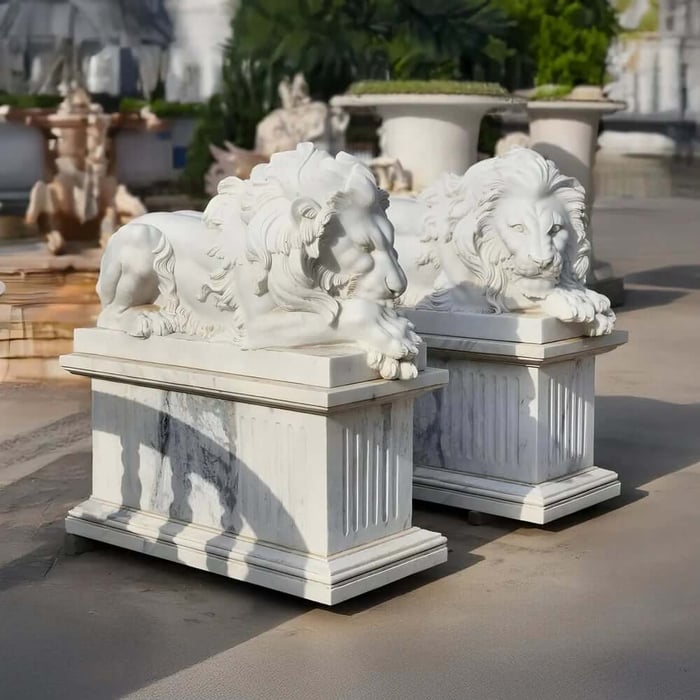
Outdoor wildlife sculptures need robust materials and finishes. Bronze, treated metal, and high-quality outdoor resin are reliable options. Indoor pieces can be more delicate and varied in material. If you’re comparing finishes for indoor display, it may help to look at how marble sculptures catch light and show surface detail, because similar styling ideas apply.
Match the scale to the garden or room
The right scale depends on viewing distance. Small sculptures suit patios, courtyards, and interior shelves. Medium pieces work in borders and lawns visible from a path or terrace. Life-size animal sculptures need breathing space and clear sightlines to avoid feeling cramped.
Consider style harmony
Cottage and woodland gardens pair beautifully with realistic deer, foxes, hares, and birds.
Modern gardens often suit silhouettes, abstract forms, or sleek metal pieces.
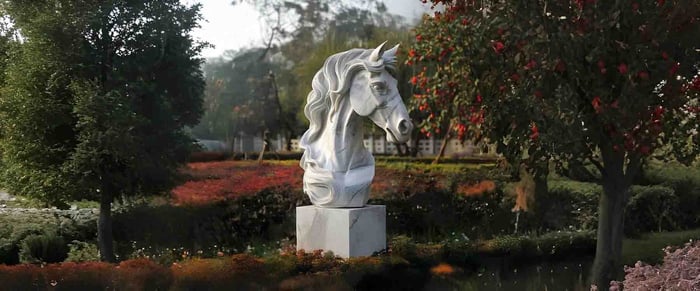
Formal gardens can handle larger bronze works that echo classical sculpture traditions.
Choose animals that mean something to you
The best wildlife sculptures are rarely chosen by trend alone. People keep the pieces they connect to personally, an animal from childhood, a favourite species, or one that fits the spirit of their home.
Look for craftsmanship
Good sculpture shows quality up close. Check surface finishes, casting sharpness, balance, and stability. Fine detail should feel intentional, not fussy. A strong base and well-considered pose matter as much as the animal itself. For outdoor settings, this is also why people consider steel sculptures, thanks to their strength and clean lines.
Displaying and Caring for Wildlife Sculptures Over Time
Once you’ve chosen a piece you love, the next step is making sure it looks its best for years. Display and care might sound secondary, but they’re what turn a good sculpture into a lasting feature.
Placement principles for maximum impact
Where you place wildlife sculptures affects how people experience them.
Use sightlines: Stand at your main viewing points, kitchen window, patio doors, and garden path, and note where your eyes naturally land. That’s where a sculpture will feel most intentional.
Frame with planting: Tall grasses behind a heron, low groundcover around a fox, or clipped shrubs near a stag create contrast and help the form read clearly.
Balance open space and shelter: In open lawns, larger pieces or life-size animals hold their presence. In tighter borders, smaller works feel more natural and “discovered.”
Think in layers: A sculpture placed slightly forward of a hedge or wall gains depth, while pieces tucked flat against a background can lose drama.
Indoor styling: keeping it natural, not cluttered
Inside the home, wildlife pieces work best when they have breathing room.
Give them a clear backdrop: A plain wall, wood panelling, or a stone fireplace helps the shape stand out.
Pair with natural textures: Linen, timber, rattan, or neutral ceramics complement animal forms without competing.
Use one strong focal point per area: Several sculptures in one room can work, but only if they’re deliberately grouped rather than scattered.
Anchoring and stability outdoors
For outdoor wildlife sculptures, stability is both a safety and longevity issue.
Heavy pieces (bronze, solid stone) usually sit securely on paving or compact ground.
Lighter pieces (resin, hollow metal) should be fixed to a hidden slab, pegged into soil, or bolted to a hard base.
Wind-exposed spots like hilltops or coastal gardens benefit from extra anchoring, even for medium-weight sculptures.
Care by material
Different materials age differently, so care should match what the sculpture is made from.
Bronze: Rinse dirt off with clean water and a soft cloth. If you want to maintain the original finish, apply a thin wax layer once or twice a year. If not, let the patina deepen naturally.
Steel or stainless steel: Wipe down occasionally to remove grit or salt deposits. If the surface is scratched, touch up any protective coating to prevent corrosion.
Outdoor resin: Clean gently with mild soapy water. Avoid harsh chemicals and bring them inside during severe frost if the maker advises it.
Stone or marble: Keep surfaces free of moss and algae with a soft brush and water. Avoid pressure washing, which can roughen the detail.
Seasonal checks
A quick routine twice a year keeps everything looking sharp.
Spring: Clean the surface, check for wobble, and refresh wax or coatings if needed.
Autumn: Clear leaves or debris from bases, and make sure fixings are still tight before winter weather arrives.
Handled thoughtfully, wildlife sculptures don’t just survive outdoors or blend indoors; they mature into the landscape or room, becoming part of how the space feels every day.
Conclusion: Choosing Wildlife Sculptures with Confidence
Wildlife Sculptures began as early human expressions of survival and reverence, then evolved through ancient symbolism, classical realism, and the naturalist movement into the broad, varied art form we know today. Certain animals remain popular because they carry shared meanings: birds for freedom, deer for woodland calm, big cats for power, elephants for memory, and smaller woodland creatures for character. Modern wildlife sculptures are shaped by outdoor living, renewed interest in realism, contemporary abstract design, sustainable materials, bold single-piece statements, storytelling groups, and conservation-driven themes.
If you’re choosing a piece, focus on three things: the animal you feel connected to, the style that fits your space, and the material that suits where it will live. When those align, a sculpture doesn’t just decorate a corner, it changes how the whole setting feels.
Ready to find the right wildlife sculptures for your home or garden?
Have a look through your favourite animals and the spaces you want to transform, then choose a piece that tells your story. If you’d like tailored suggestions, get in touch with your garden style, size, and the animals you love most and let’s bring a little more of the wild into your world.
FAQs
What material is best for outdoor wildlife sculptures?
For year-round outdoors, bronze and stainless steel are the most durable. They handle rain, frost, and sun without cracking. High-quality outdoor resin is a good budget option if it’s UV-stable and weather-sealed.
How do I choose the right size wildlife sculpture for my space?
Match size to viewing distance. Small pieces suit patios and borders you see up close. Medium sculptures work as garden focal points. Life-size pieces need open space so they don’t feel crowded. A quick measure of the area helps avoid buying too small or too large.
Do wildlife sculptures need maintenance?
Very little. Bronze benefits from an occasional rinse and optional wax if you want to keep the original finish. Steel or stainless steel just needs a wipe to remove grime. Resin should be cleaned gently and brought in during extreme frost if advised.
How can I stop an outdoor wildlife sculpture from tipping or being stolen?
f it’s light or tall, fix it to a hidden slab, stake it into soil, or bolt it to paving. For security, use tamper-resistant fixings or place it in a less accessible spot while still keeping it visible.
Why are some wildlife sculptures so expensive?
Price usually reflects material, size, and how it’s made. Solid bronze pieces cost more because casting and finishing are labour-intensive. Hand-sculpted originals, limited editions, and highly detailed work also carry higher prices.