Wildlife sculptures have a presence that few other art forms can rival. A well-crafted animal piece does more than decorate a space; it shapes atmosphere, creates a focal point and often tells a story about nature, heritage and craftsmanship. Whether placed in a landscaped garden, an entrance hall or a public setting, they bring depth and character that last for generations.
This guide explores wildlife sculptures from both an artistic and practical perspective. You’ll learn about materials, styles and craftsmanship, while also understanding what truly matters when purchasing a piece. If you’re considering adding one to your property, this will help you make a confident and informed decision.
What Are Wildlife Sculptures?
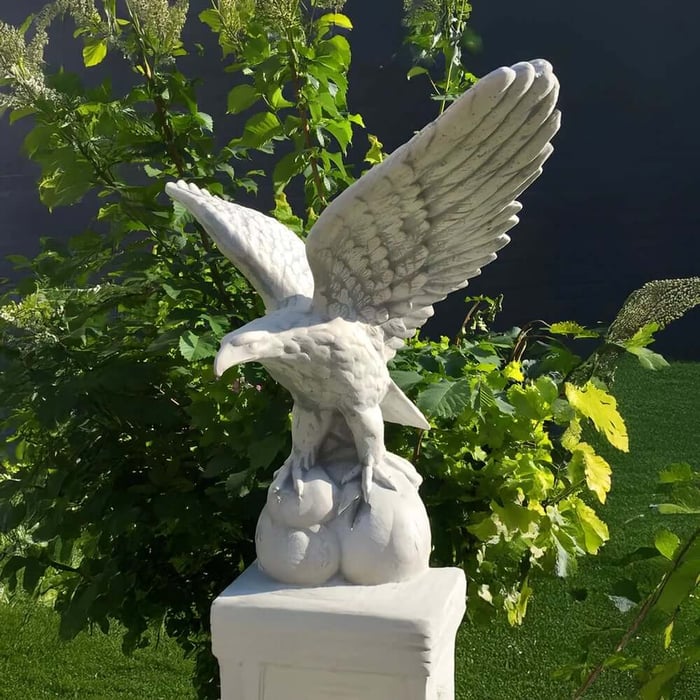
Wildlife sculptures are artistic representations of animals, created in materials such as bronze, stone or metal. Unlike decorative ornaments, high-quality pieces are designed with careful attention to anatomy, movement and expression. The aim is not simply to replicate an animal’s appearance, but to capture its spirit.
Throughout history, animals have symbolised power, grace and resilience. From classical marble lions guarding estates to modern bronze stags overlooking countryside homes, these works continue this tradition. Today, they are found in private gardens, luxury developments, hotels and public art installations.
For buyers, their appeal lies in three core qualities:
When chosen well, they become legacy pieces rather than passing trends.
Materials Used in Wildlife Sculptures
The material determines not only the appearance of wildlife sculptures but also their longevity, maintenance needs and overall value.
Bronze Wildlife Sculptures
Bronze remains the most respected material for these pieces. It is durable, weather-resistant and capable of capturing intricate detail. The lost-wax casting process allows sculptors to achieve lifelike textures, from fur and feathers to muscle definition.
Over time, bronze develops a patina, a natural surface finish that enhances depth and character. This ageing process adds individuality, meaning no two pieces will look identical after years outdoors. For buyers seeking investment potential and durability, works crafted in bronze are often the first choice.
Stone and Marble Sculptures
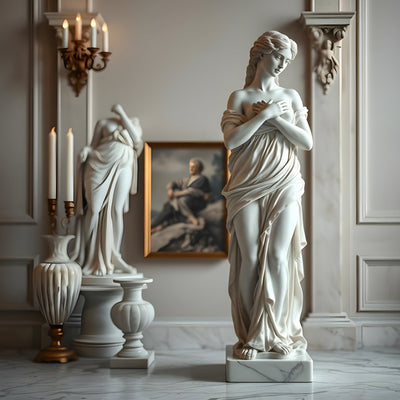
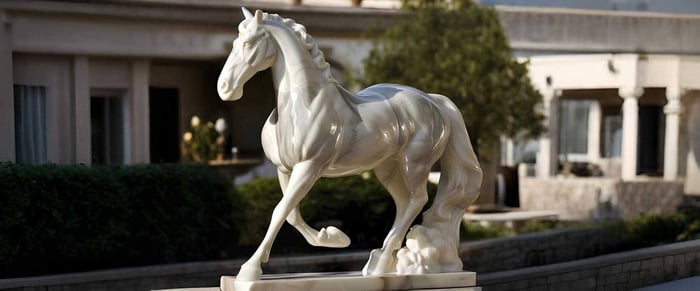
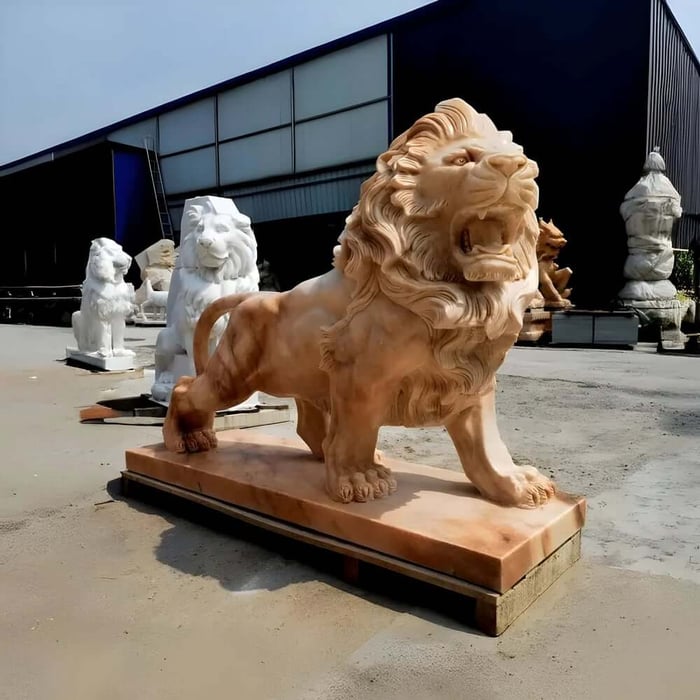
Stone sculptures carry a sense of heritage. Marble, limestone and granite are often used in formal gardens and estates. These materials provide elegance and permanence, though they are generally heavier and require stable installation.
Stone pieces suit traditional settings and complement properties where architectural symmetry is important.
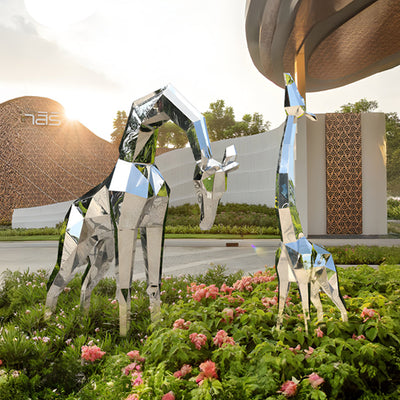
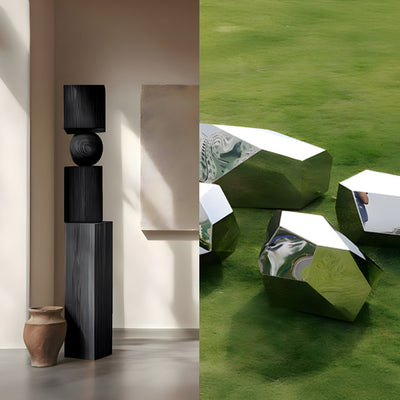
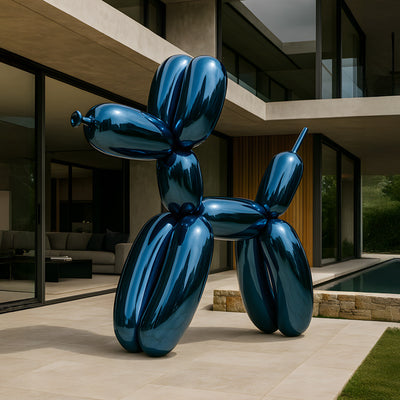
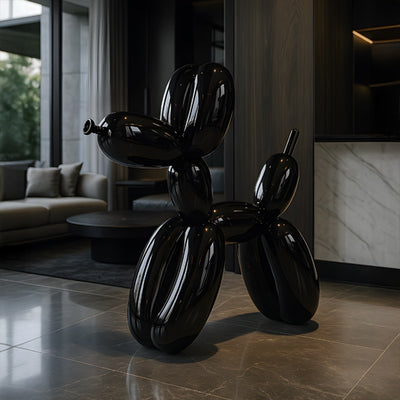
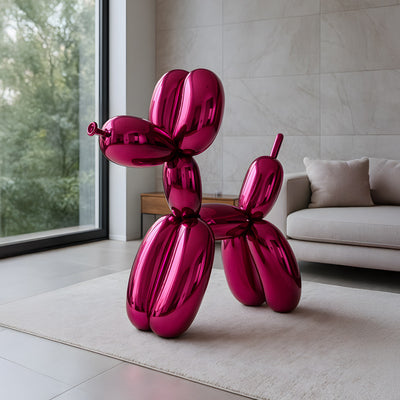
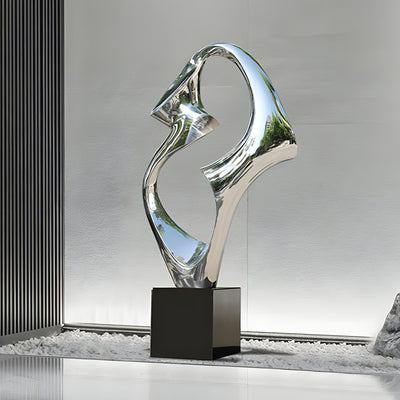
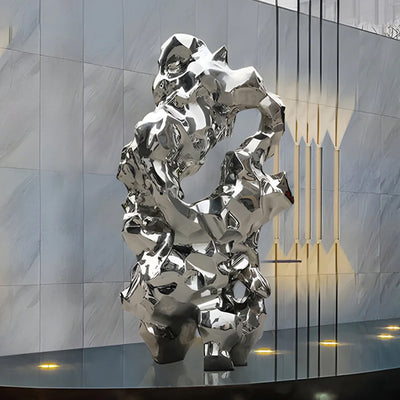
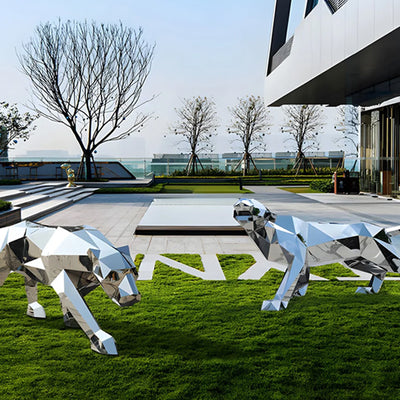
Modern sculptures frequently use stainless steel or corten steel. These materials work well in contemporary landscapes and minimalist designs. Their clean lines and industrial finishes create contrast against natural planting.
Choosing the right material depends on the setting, climate and desired impact.
Styles of Wildlife Sculptures
Not all wildlife sculptures are realistic. Style plays a crucial role in how a piece interacts with its surroundings.
Realistic and Traditional Styles
Realistic works focus on anatomical accuracy and natural posture. These pieces often suit countryside homes, estate gardens and traditional architecture. They bring authenticity and a sense of storytelling to outdoor spaces.
Traditional styles also pair well with other heritage-inspired features, including classic sculptures, creating cohesion across a property.
Contemporary and Abstract Interpretations
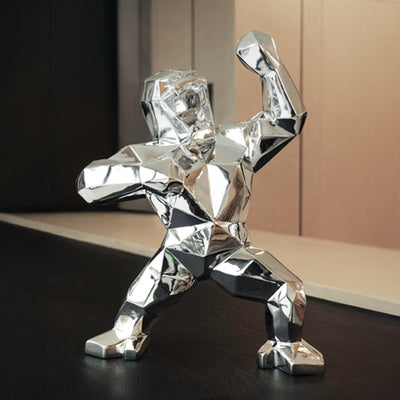
Abstract interpretations simplify form while preserving essence. Instead of detailed fur or feathers, they highlight silhouette and movement. These designs complement modern homes and architectural landscapes.
In larger properties, they can work alongside other curated garden sculptures, creating layered visual interest without overwhelming the space.
The key is balance. A sculpture should feel intentional rather than decorative.
What Buyers Must Know Before Investing
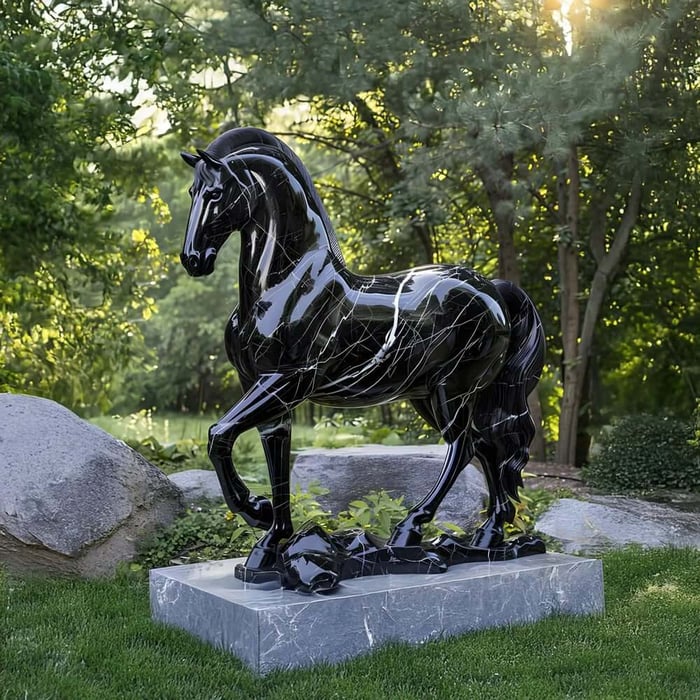
Purchasing wildlife sculptures requires more than selecting a favourite animal. Thoughtful consideration ensures long-term satisfaction.
Scale and Proportion
A sculpture must suit its environment. Large pieces create dramatic focal points, while smaller works provide subtle accents. Before purchasing, measure the intended area and visualise how the sculpture will sit within planting, pathways or architectural lines.
Placement and Visibility
Consider sightlines. Positioned at the end of a lawn or framed by trees, these works create natural depth. Indoors, lighting becomes essential. Well-placed spotlights enhance shadows and highlight detail.
Craftsmanship and Edition Size
Limited edition bronze pieces often carry higher value. Ask about casting methods, finishing processes and the artist’s background. A reputable sculptor will provide clear information about production and authenticity.
Maintenance Requirements
While bronze is resilient, occasional care preserves the finish. Buyers should understand waxing schedules, cleaning methods and environmental factors that may affect surface patina.
Taking these factors into account ensures sculptures remain visually striking for decades.
The Craftsmanship Behind Quality Wildlife Sculptures
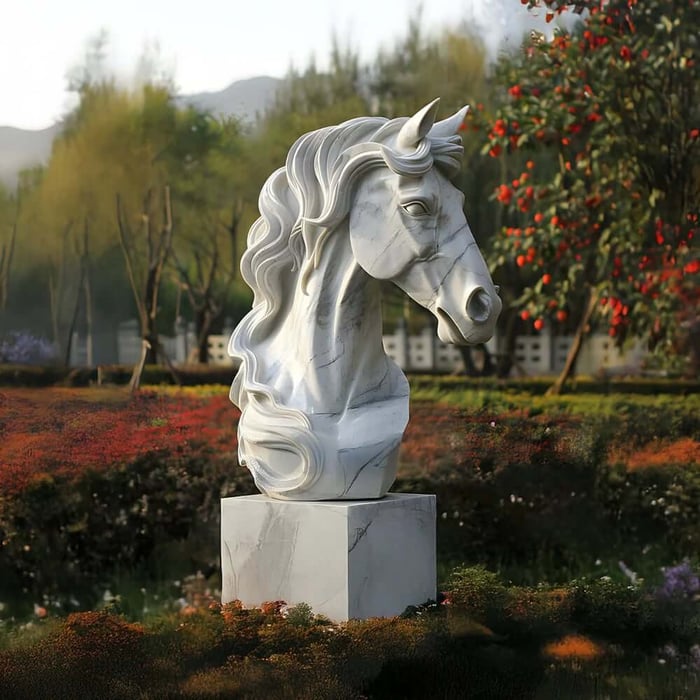
Exceptional wildlife sculptures begin with careful study. Sculptors observe animal movement, musculature and behaviour before shaping clay or wax models. This stage determines whether the finished piece feels static or alive.
In bronze casting, the lost-wax method remains the gold standard. After sculpting the original model, a mould is created and molten bronze is poured in. Once cooled, the sculpture is refined and patinated by hand.
This level of craftsmanship explains why premium wildlife sculptures command higher prices. The skill involved in producing fine pieces is significant, and the results justify the investment in wildlife sculptures.
Are Wildlife Sculptures a Good Investment?
High-quality wildlife sculptures can hold or increase value over time. Bronze, in particular, is durable and often produced in limited editions, adding exclusivity.
Value depends on:
Artist reputation
Edition size
Material quality
Provenance documentation
Beyond financial return, these pieces enhance property appeal. Large, well-placed installations often elevate garden design and contribute to perceived property value.
When selecting a piece as an investment, focus on quality rather than trend, ensuring the craftsmanship and material justify the long-term commitment.
Maintenance and Long-Term Care
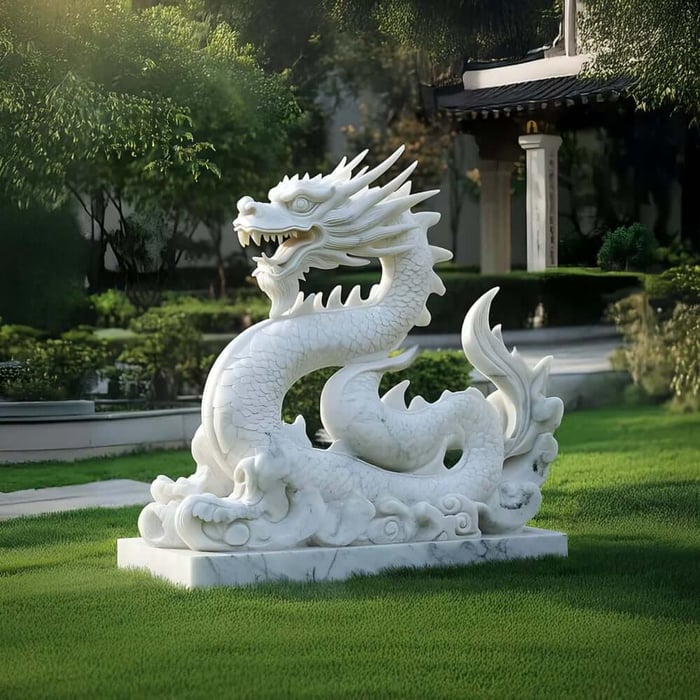
Proper care ensures wildlife sculptures maintain their appearance and integrity for decades. Looking after each piece correctly protects both its visual appeal and long-term value.
Bronze pieces benefit from light cleaning with mild soap and water. Applying a specialist wax once or twice a year protects the surface and helps preserve the patina. Avoid abrasive materials, as they can damage the finish and reduce the lifespan of outdoor sculptures.
Stone pieces should be checked periodically for moss, staining or surface erosion, particularly in damp climates. Professional conservation may be necessary for older installations or heritage works.
With appropriate care and attention, they can last for generations, making them one of the most enduring forms of outdoor art.
Why Wildlife Sculptures Continue to Captivate
Wildlife sculptures bridge architecture and nature. They bring movement into still spaces and soften structured environments with organic form. Whether monumental or understated, they create focal points that anchor landscapes.
Their enduring appeal lies in emotional resonance. Animals symbolise strength, freedom and grace. When translated into sculpture, those qualities become permanent features of a home or estate.
For discerning buyers, these works represent craftsmanship, permanence and identity expressed through a single, powerful statement piece.
Conclusion: Choosing Wildlife Sculptures That Stand the Test of Time
Wildlife sculptures combine artistry, durability and emotional depth. From bronze casting and material selection to placement and long-term care, each detail matters. Understanding styles, scale and craftsmanship allows buyers to make informed decisions that enhance both property and legacy.
If you’re ready to explore expertly crafted designs created to elevate gardens and architectural spaces, visit Giant Sculptures to discover pieces that balance tradition, scale and artistry and invest in a statement work that will stand the test of time.