




Table of Contents
- Understanding Mixed Media Art
- A Brief Look at the Origins of Mixed Media Art
- What Makes Mixed Media Art Different from Other Art Forms
- Common Materials Used in Mixed Media Art
- Techniques That Define Mixed Media Art
- Mixed Media Art for Beginners: Why It’s So Accessible
- How Mixed Media Art Fits into Contemporary Creativity
- Practical Benefits of Exploring Mixed Media Art
- Conclusion: Why Mixed Media Art Is Worth Exploring
- FAQs
Mixed media art is a creative approach that allows artists to combine different materials, techniques, and surfaces within a single artwork. For beginners, the term can feel confusing at first, often sounding more complicated than it really is. In reality, this style of working is one of the most flexible and welcoming art forms, offering endless possibilities for expression without rigid rules.
This guide explains the concept in a clear and practical way. You’ll learn what it is, how it works, where it comes from, and why so many artists are drawn to it today. Whether you’re curious about art styles or considering experimenting yourself, this beginner-friendly explanation will help everything fall into place.
Understanding Mixed Media Art
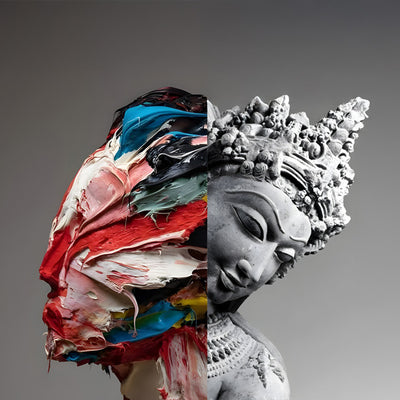
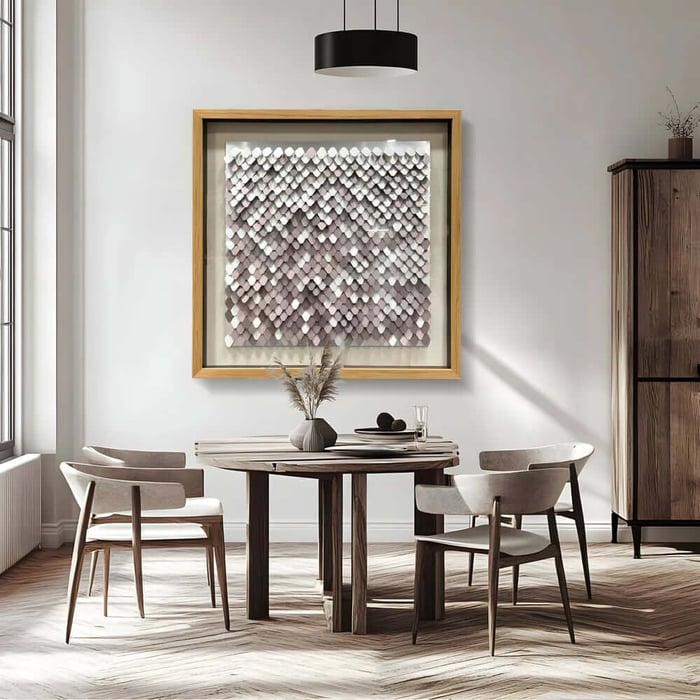
At its core, this approach simply means using more than one medium in a single piece of artwork. A medium refers to the materials used to create art, such as paint, ink, paper, fabric, or found objects. When these materials are combined intentionally, the result is a layered, textured piece with more depth and visual interest.
What sets it apart from traditional painting or drawing is its openness. Artists are not limited to one surface or technique, so a piece might include acrylic paint layered over collage elements, pencil marks drawn on top, or textured materials embedded into the surface. Each addition builds complexity and helps the artwork feel more expressive.
For beginners, this flexibility is often what makes it so appealing. There is no single “correct” method, which removes much of the pressure often associated with making art.
A Brief Look at the Origins of Mixed Media Art
Although this style feels very modern, its roots stretch back over a century. Early experiments appeared in the early 1900s when artists began challenging traditional ideas about what art should look like. Instead of sticking to paint alone, they introduced paper, text, and everyday materials into their work.
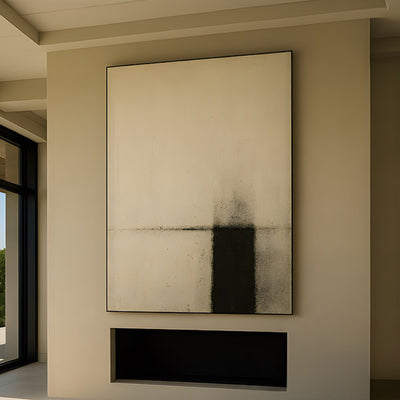
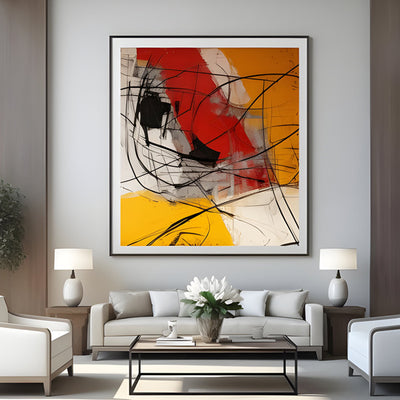
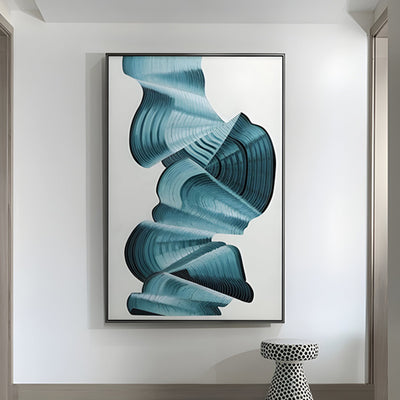
These early explorations helped pave the way for many contemporary styles, including abstract art, where emotion and concept often matter more than realistic representation. Over time, this approach became a powerful way for artists to explore layered ideas, personal narratives, and cultural commentary.
Today, it continues to evolve, shaped by new materials, digital influences, and changing creative attitudes.
What Makes Mixed Media Art Different from Other Art Forms
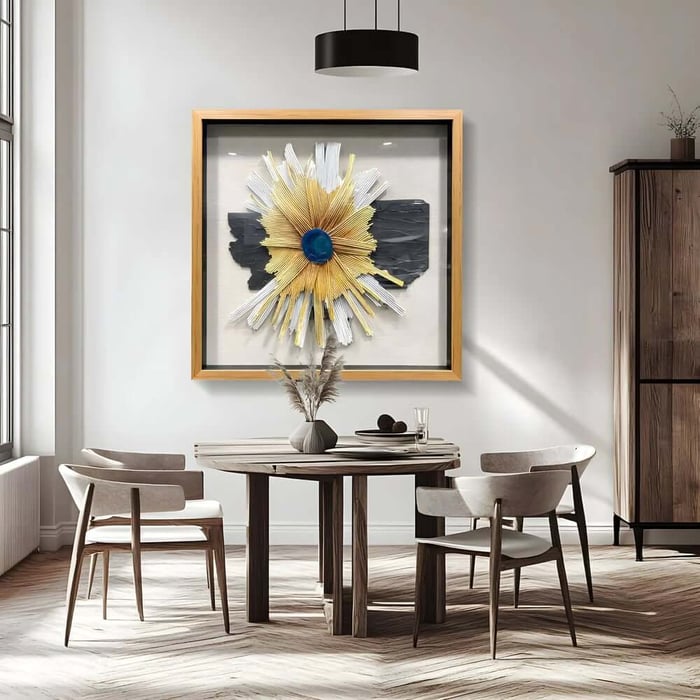
This approach stands out because of its emphasis on process rather than perfection. Unlike traditional painting, which often focuses on producing a finished image, it encourages exploration at every stage of creation.
Artists may build up layers, remove sections, and rework areas multiple times. This method creates a sense of history within the artwork, where earlier decisions remain visible beneath the surface. As a result, the final piece often feels richer, more tactile, and more expressive.
Another key difference lies in the variety of surfaces used. While canvas is still popular, artists frequently work on paper, wood panels, journals, or reclaimed materials. This freedom allows each artwork to feel unique and deeply personal.
Common Materials Used in Mixed Media Art
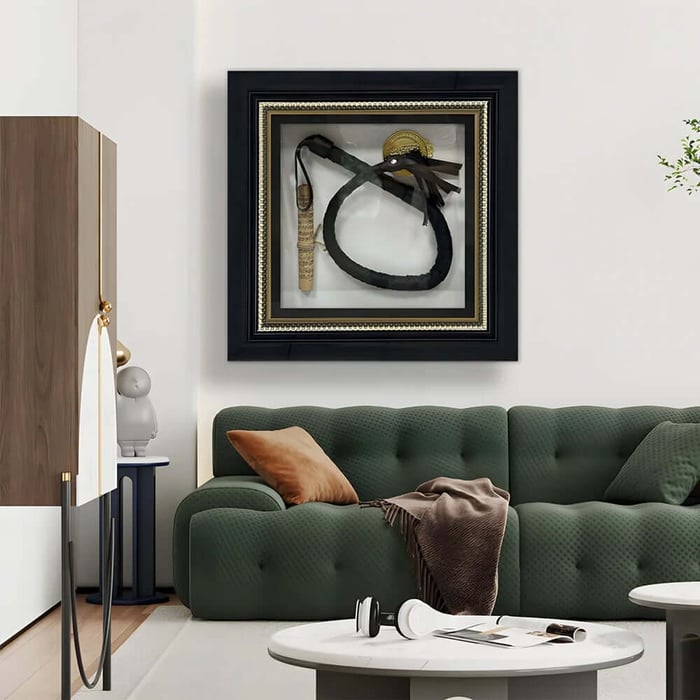
One of the most reassuring aspects of Mixed Media Art for beginners is that it does not require specialised or expensive supplies. Many artists start with materials they already have at home.
Commonly used materials include:
Acrylic paint and inks for colour and movement
Paper, magazines, or book pages for collage
Charcoal, pencils, or pens for drawing and detail
Fabric, thread, or textured papers for depth
Adhesives such as glue or gel medium
These materials can be combined in countless ways, allowing artists to experiment freely without worrying about strict techniques.
Techniques That Define Mixed Media Art
While there are no fixed rules, certain techniques are commonly associated with Mixed Media Art. Layering is one of the most important. Artists often apply materials in stages, letting each layer influence the next.
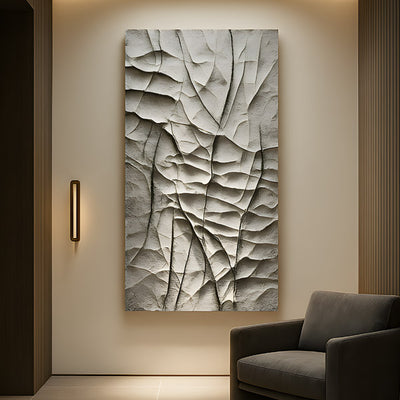
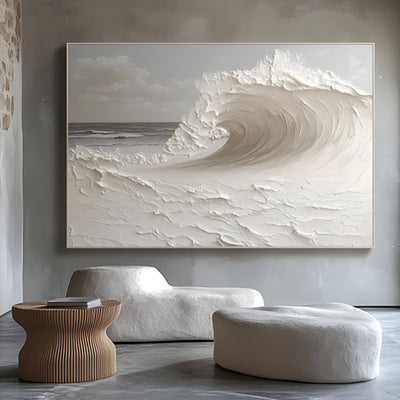
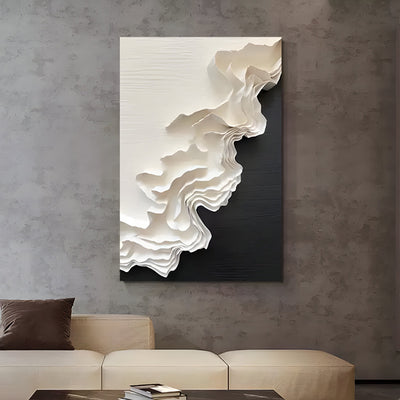
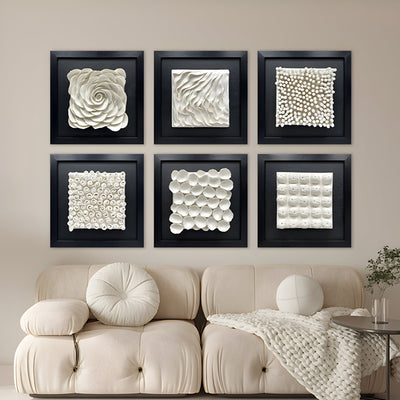
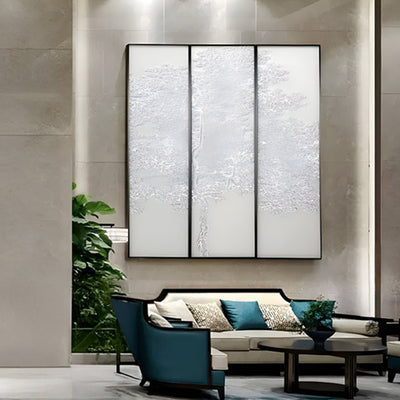
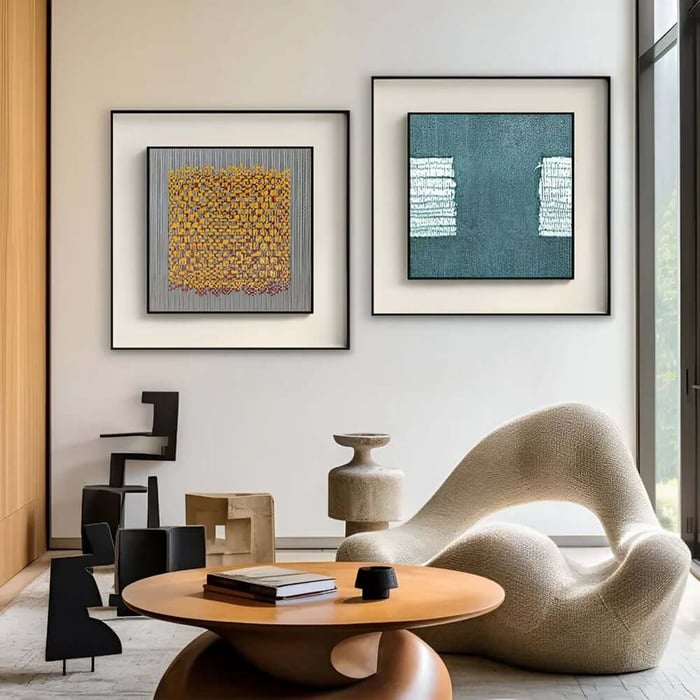
Texture is another defining feature. By adding thick paint, fabric, or textured mediums, artists create surfaces that invite closer inspection. Light interacts with these textures, giving the artwork a sense of movement and depth.
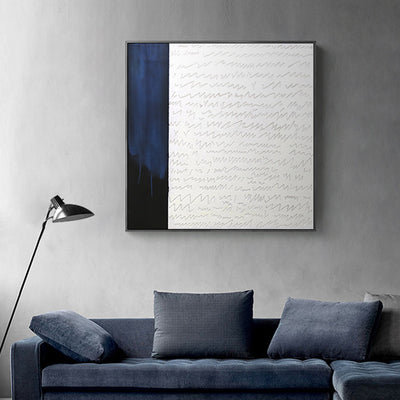
Mark-making also plays a central role. Scribbles, lines, stamps, or handwritten text can add rhythm and personality to a piece. These elements often give mixed media work a raw, expressive quality that feels more human and less polished.
Mixed Media Art for Beginners: Why It’s So Accessible
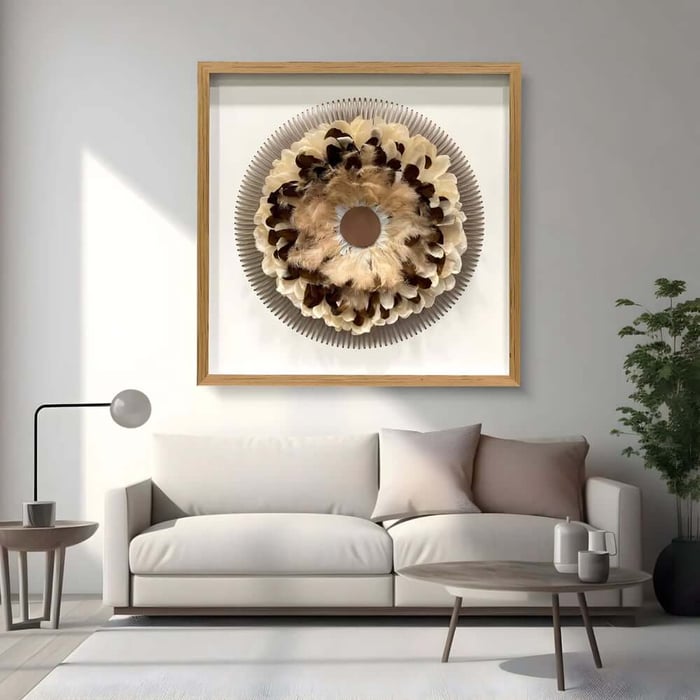
For beginners, Mixed Media Art offers a low-pressure entry point into creative practice. Because there is no single outcome to aim for, mistakes are not only accepted but often welcomed. An unexpected mark or layer can become the most interesting part of a piece.
This approach helps build confidence over time. Instead of focusing on technical skill, beginners learn to trust their instincts and respond to what appears on the page or surface. Many people find this process surprisingly relaxing and rewarding.
Mixed media is also ideal for exploring personal themes. Whether working in a journal or on a larger surface, artists can use imagery, texture, and colour to express ideas that might be difficult to put into words.
How Mixed Media Art Fits into Contemporary Creativity
In today’s creative landscape, this approach feels particularly relevant. Modern life is layered, fast-moving, and full of overlapping influences, and this kind of art reflects that complexity. Artists are no longer confined to one style or tradition, which makes experimentation feel more natural and accessible.
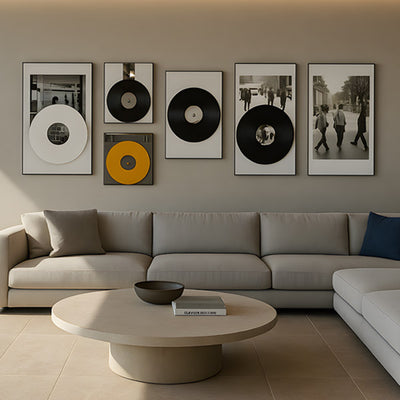
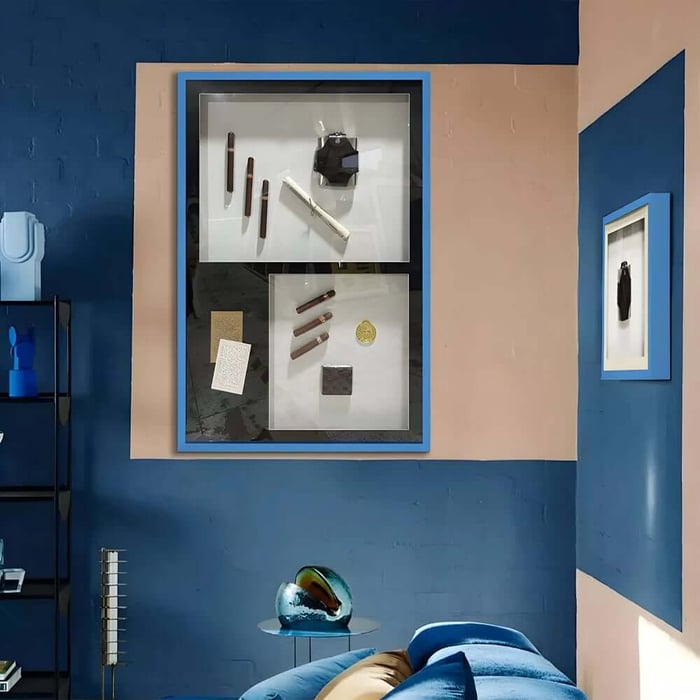
This flexibility has allowed it to sit comfortably alongside many visual trends, including retro art, where nostalgic elements are often combined with modern techniques to create something both familiar and fresh. Blending old and new imagery can add personality, warmth, and a sense of story without feeling outdated.
Social media and online platforms have also contributed to its popularity. Artists can easily share their process, inspiring others to experiment and learn without formal training.
Practical Benefits of Exploring Mixed Media Art
This approach is not only expressive but also highly practical for creative growth. Some key benefits include:
Encourages experimentation without fear of failure
Develops problem-solving and creative thinking
Helps artists discover personal style organically
Works well with limited space or materials
Allows for both structured and spontaneous creation
These qualities make mixed media an excellent choice for anyone looking to deepen their creative practice.
Conclusion: Why Mixed Media Art Is Worth Exploring
Mixed Media Art is a creative approach that values curiosity, experimentation, and personal expression. By combining different materials and techniques, artists can create work that feels layered, meaningful, and uniquely their own. For beginners, it removes many of the barriers often associated with traditional art forms and replaces them with freedom and discovery.
Whether you are drawn to texture, storytelling, or visual exploration, mixed media offers a space to grow creatively at your own pace. As you continue learning and experimenting, you may find that this approach opens the door to new ideas, styles, and possibilities.
To take that inspiration further, explore the collection of art pieces and styling products that celebrate creativity, texture, and expressive design, and see how mixed media influences can transform both artwork and interior spaces.
FAQs
What is Mixed Media Art?
Mixed Media Art is artwork made using more than one medium, such as paint, ink, paper, fabric, or found objects. The combination of materials creates richer texture, depth, and visual variety than a single-medium piece.
Is Mixed Media Art suitable for beginners?
Yes, Mixed Media Art is very beginner-friendly because it focuses on experimenting rather than getting everything “right”. You can start with simple layering and everyday materials, then build confidence as you discover what you enjoy using.
What materials do I need to start Mixed Media Art?
You can begin with basic supplies like acrylic paint, pens or pencils, paper scraps, and glue or gel medium. Many beginners also use magazines, textured paper, and fabric offcuts to create layers without spending much.
What is the difference between mixed media and collage?
Collage usually focuses on arranging and attaching paper-based elements, such as photos or magazine cut-outs. Mixed Media Art can include collage, but it also adds other materials and techniques like painting, drawing, texture pastes, and mark-making.
How do I stop Mixed Media Art from looking messy?
Start with a simple colour palette and build layers slowly, giving yourself time to step back and assess balance. Repeating a few shapes, colours, or marks across the piece helps everything feel more intentional and visually connected.