


























































Table of Contents
- Understand Why People Buy Animal Art
- Choose Animals That Have Proven Appeal
- Develop a Recognisable Style
- Think About Where the Art Will Live
- What Sells in Animal Art (So You’re Not Guessing)
- Balance Artistic Expression with Commercial Awareness
- Use Quality Materials and Presentation
- Price with Confidence and Clarity
- Make Your Work Easy to Understand
- Key Elements That Make Animal Art Sell
- Build a Collection, Not Just Individual Pieces
- Conclusion: Turning Animal Art Into Work People Truly Want
- FAQs
Creating animal art is about far more than drawing a realistic creature or choosing trendy colours. If your goal is to sell your work, you need to understand what people connect with emotionally, what fits into real homes, and what makes someone stop scrolling and take a closer look.
This form of artwork sits at the crossroads of creativity and commercial appeal. Buyers are often drawn to pieces featuring animals because they evoke emotion, memory, and meaning. When done well, these artworks feel personal, expressive, and timeless. In this guide, you’ll learn how to create pieces that not only look good but also resonate with buyers and fit naturally into their spaces.
Understand Why People Buy Animal Art
Before picking up a pencil or opening your design software, it’s important to understand the motivation behind a purchase. Most people don’t buy artwork featuring animals purely because of technical skill. They buy it because it makes them feel something.
Pieces centred on animals often represent personality traits, memories, or values. A fox might suggest cleverness, a lion confidence, or a horse freedom. Buyers also gravitate towards subjects they feel personally connected to, whether that’s through pets, childhood memories, or cultural symbolism.
When you understand this emotional layer, your work becomes more intentional. You’re no longer creating generic animal illustrations; you’re creating pieces that tell a story and invite a connection.
Choose Animals That Have Proven Appeal
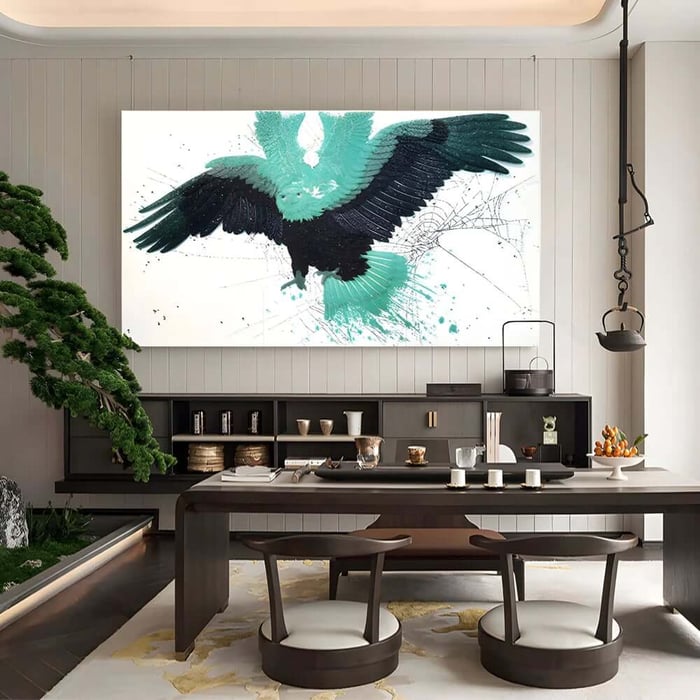
While any animal can work if presented well, some consistently attract more interest than others. Wildlife such as lions, tigers, elephants, wolves, and birds of prey tend to perform strongly because of their symbolic power and visual impact. Domestic animals like dogs and cats also sell well, especially when the artwork captures personality rather than perfection.
That said, niche animals can be successful too. The key is not the species itself, but how it’s presented. Strong composition, expressive detail, and a clear mood often matter more than choosing a popular animal.
Develop a Recognisable Style
One of the biggest mistakes artists make is trying to appeal to everyone. Buyers are far more likely to trust and invest in work that feels consistent and confident.
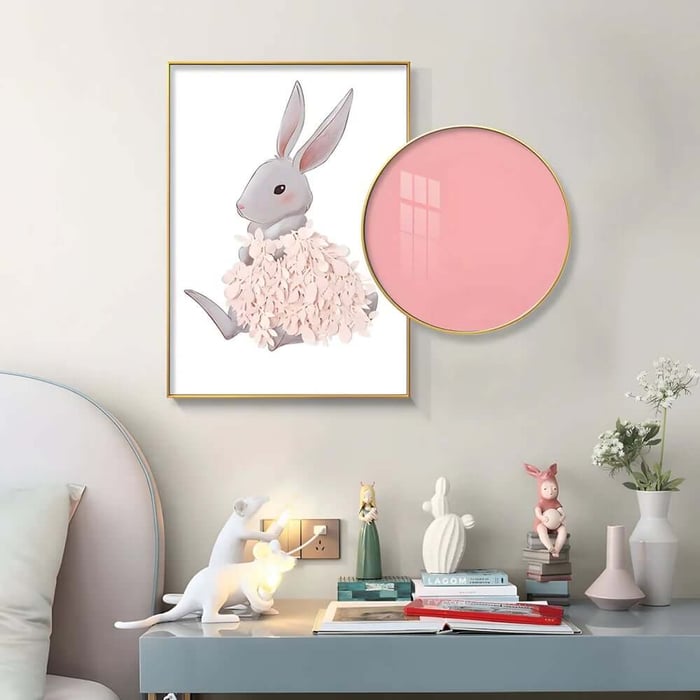
Your animal art should have a recognisable style, whether that’s minimalist line work, expressive brush strokes, bold colour palettes, or detailed realism. Consistency builds trust. When people see multiple pieces that feel connected, they’re more likely to imagine your work as part of their home.
This doesn’t mean you can’t experiment, but your core collection should feel cohesive. A strong style helps your art stand out in a crowded market.
Think About Where the Art Will Live
People buy art with a specific space in mind. That might be a living room, hallway, bedroom, or even a child’s space. Understanding this helps shape everything from colour choices to subject matter.
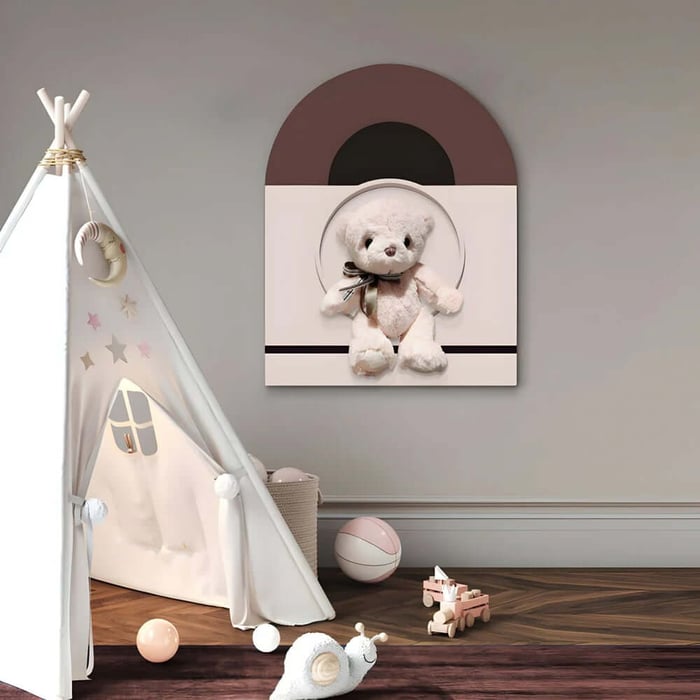
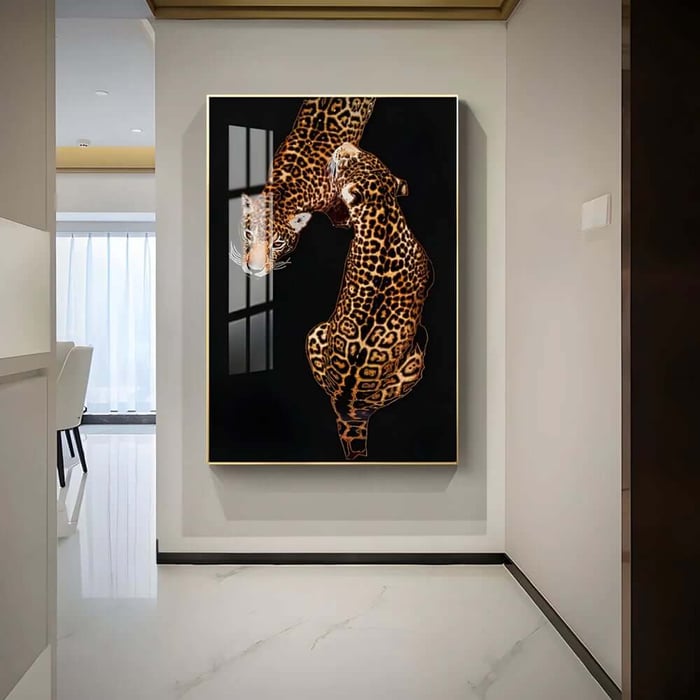
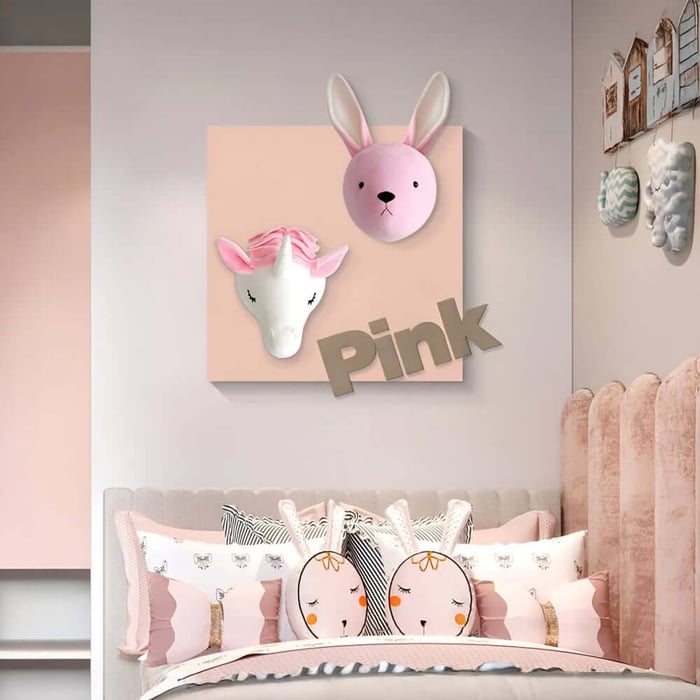
For example, softer tones and friendly animal expressions work well in family-focused interiors, including kids room art, where buyers are often looking for something playful yet tasteful. On the other hand, bold wildlife portraits with dramatic contrast suit modern living spaces or offices.
When creating animal art, imagine it already hanging on a wall. Ask yourself whether it complements real interiors rather than just looking good on a screen.
What Sells in Animal Art (So You’re Not Guessing)
If you want people to actually buy your animal art, it helps to know what buyers are already looking for. Most shoppers aren’t searching for “unique masterpiece” they’re typing simple, practical phrases that match a room, a vibe, or a gift idea. That means your artwork can be brilliant, but if it isn’t presented in a way that fits how people shop, it’s easier for them to scroll past.
In general, animal art tends to sell best when it falls into one of a few clear categories: statement wildlife portraits (bold, dramatic animals that anchor a room), soft and friendly animal prints (popular for family spaces), and minimalist animal line art (clean, modern, easy to style). These styles feel familiar, which makes buying feel safe and once a buyer feels confident, they’re far more likely to purchase.
It also helps to consider format, because buyers often choose based on what will fit their wall. Prints usually sell faster than originals because they’re affordable and easy to frame. Common sizes tend to perform well because they reduce friction: people can picture them instantly and find frames easily. Even if you offer originals, having print options makes your work accessible to more people without lowering its value.
Finally, remember that buyers often shop with a purpose: updating a room, finding a birthday present, or making a home feel more personal. So when you describe or present your animal art, it works better to connect it to how it will live in a space not just how it was made. When you help people imagine it on their wall, you make the buying decision much easier.
Balance Artistic Expression with Commercial Awareness
Selling art doesn’t mean sacrificing creativity. It means being aware of how your work fits into the buyer’s world.
Successful animal art often balances artistic expression with accessibility. Extremely complex or abstract pieces can be powerful, but they may appeal to a narrower audience. Clear forms, readable compositions, and intentional colour use tend to translate better into sales.
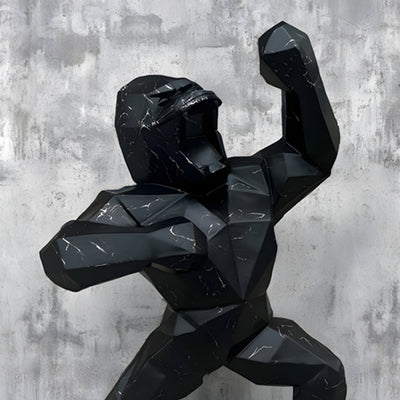
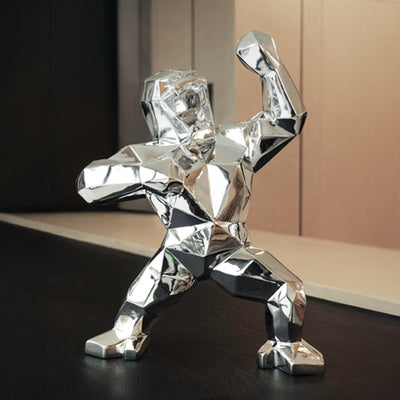
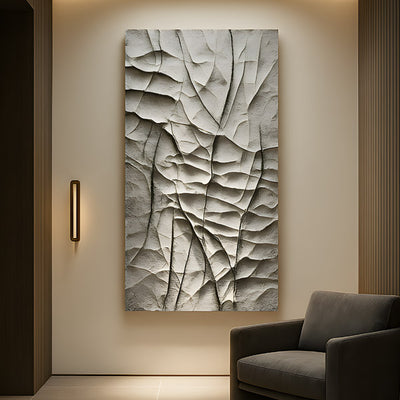
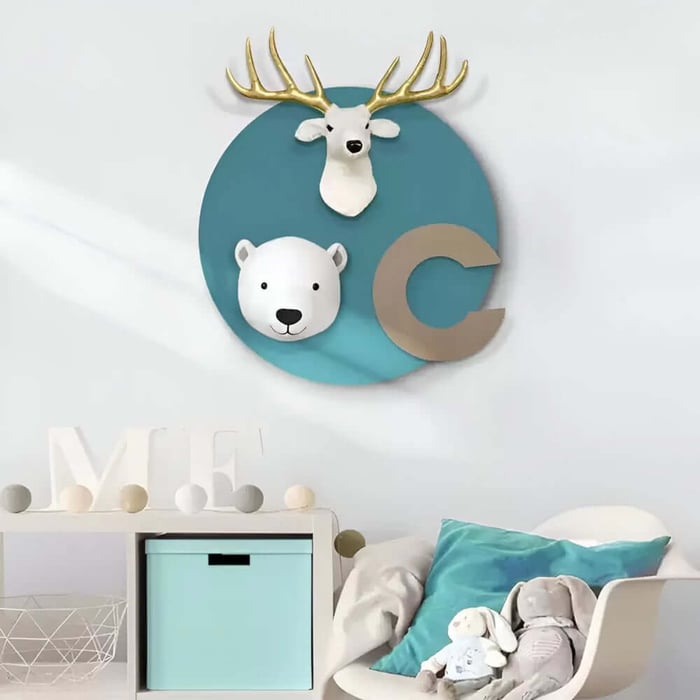
This balance is especially important when exploring formats like 3D art, where texture and depth can elevate animal subjects while still remaining visually approachable.
Use Quality Materials and Presentation
Buyers notice quality immediately, even if they can’t articulate why. Clean finishes, high-resolution prints, well-chosen paper or canvas, and thoughtful framing all influence purchasing decisions.
Presentation also extends to how your work is photographed and displayed online. Natural lighting, accurate colours, and lifestyle images help buyers imagine your animal art in their own space.
Good presentation builds confidence. It reassures buyers that they’re investing in something carefully made, not rushed or mass-produced.
Price with Confidence and Clarity
Pricing animal art can feel uncomfortable, but underpricing often does more harm than good. Buyers associate price with value. If your work is too cheap, it may be perceived as low quality or disposable.
Consider your materials, time, experience, and positioning. Limited editions, signed prints, or original pieces allow for higher price points while still offering accessible options for different buyers.
Clear pricing also reduces hesitation. When buyers understand what they’re paying for and why, they’re more likely to commit.
Make Your Work Easy to Understand
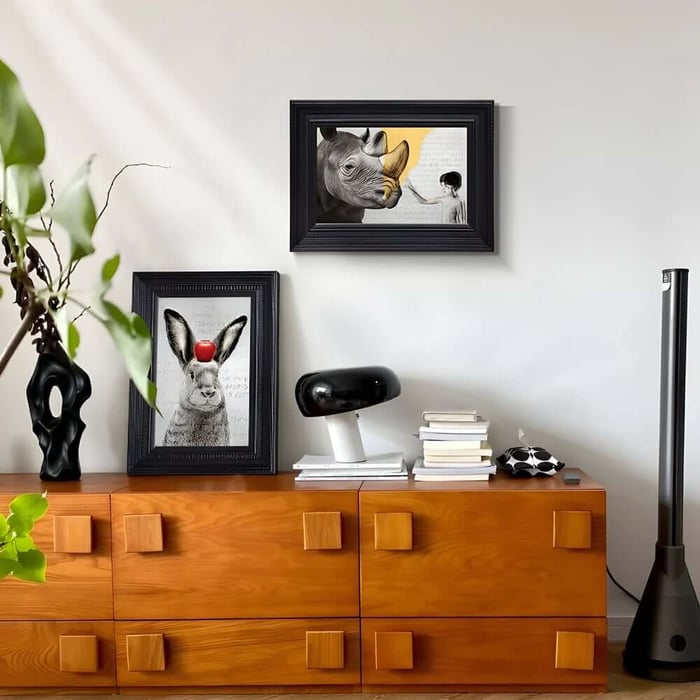
One overlooked part of selling is communication, because buyers want to understand what they’re choosing. They like to know the story behind a piece, even if it’s only a few lines. A short description explaining the inspiration, meaning, or process can change how the artwork is perceived. It helps your work feel more considered, personal, and worth paying for.
This doesn’t need to be overly poetic or complicated to be effective. Simple, honest explanations tend to work best because they’re easy to read and easy to trust. You can mention what inspired the subject, what mood you aimed for, or what makes the piece special. When buyers feel connected and confident, they’re far more likely to go from admiring your work to purchasing it.
Key Elements That Make Animal Art Sell
To summarise what consistently attracts buyers, successful pieces tend to share a few key qualities. When you get these right, your work feels more intentional, more trustworthy, and easier to buy.
A clear emotional focus that feels intentional
A recognisable and consistent visual style
Thoughtful colour choices that suit real interiors
Strong presentation and material quality
Clear pricing and simple explanations
These elements work together to create trust and desirability.
Build a Collection, Not Just Individual Pieces
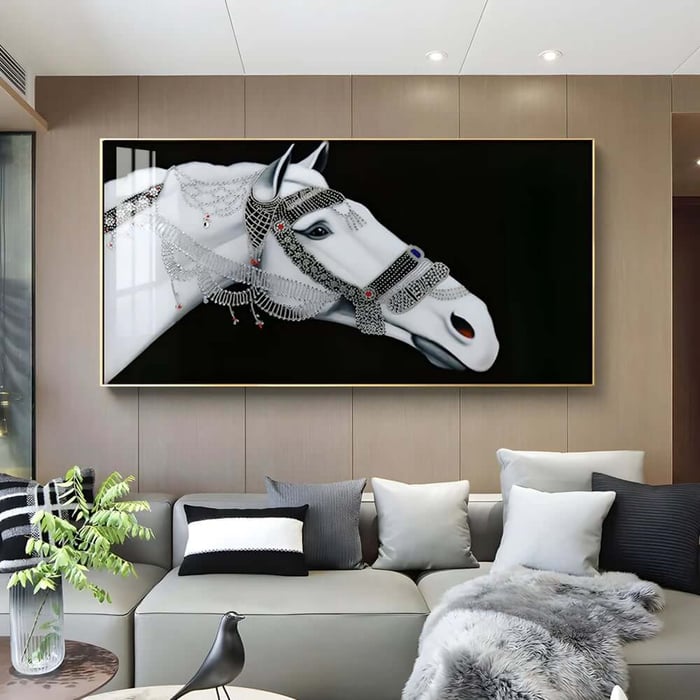
People rarely buy art in isolation, especially when they’re trying to style a space. Most buyers look for pieces that work together in colour, mood, or theme, because it makes decorating feel easier. Creating a small, cohesive collection helps people imagine your work on their walls rather than as a one-off image on a screen. It also increases the chances of multiple sales, because buyers can see how your pieces complement each other.
Collections also make your work feel more intentional and more desirable from a buyer’s perspective. Whether your theme is wildlife portraits, pets, or abstract animal forms, consistency helps your style stand out and feel recognisable. A series gives you more to talk about in descriptions, which strengthens the story and emotional connection behind each piece. When buyers sense that your collection has a clear purpose, they’re more likely to trust it, share it, and purchase from it.
Conclusion: Turning Animal Art Into Work People Truly Want
FAQs
What makes animal art more likely to sell?
Pieces that sell well usually have a clear mood, a strong subject choice, and a style that feels consistent. Buyers also respond to work that suits real interiors, feels well-presented, and is easy to picture on their walls.
Should I sell originals, prints, or both?
Selling both is often the best approach because it gives buyers different price points. Originals can feel special and collectible, while prints tend to sell faster because they’re affordable and easy to frame.
What animal subjects do buyers usually prefer?
Wildlife like lions, tigers, elephants, wolves, and birds often attract attention because they feel bold and symbolic. Pets and familiar animals can also sell strongly when the personality and expression feel authentic.
How do I price my work without undercharging?
Start by factoring in your time, materials, experience, and the value of your style. Clear pricing and confident presentation help buyers trust your work, especially when you explain what makes the piece or print worth it.
How can I help buyers connect with my artwork?
Add a short description that explains the inspiration, meaning, or feeling behind the piece. When buyers understand the story, they’re more likely to feel emotionally connected and confident about purchasing.