




































































Table of Contents
- Organic Sculptures: Natural Forms for Modern Garden Design
- How Sculptural Features Create Impactful Garden Focal Points
- Exploring the Most Durable and Artistic Materials for Garden Sculptures
- How to Style Organic Sculptures in Your Garden
- The Psychology of Organic Sculptures in Outdoor Spaces
- Designing Garden Zones With Organic Sculptures
- Key Factors to Consider When Selecting Garden Sculptures
- Commissioning a Custom Sculpture That Fits Your Garden Perfect
- Caring for Organic Sculptures Outdoors
- Conclusion: Transform Your Garden with Organic Sculptures
- FAQs
Garden design has evolved far beyond flowers, shrubs, and the occasional water feature. Today, homeowners, designers, and art lovers are turning their outdoor spaces into immersive experiences, and organic sculptures is at the heart of this transformation. With its flowing shapes, natural textures, and striking presence, it has become one of the most compelling ways to elevate a garden from a simple green space into an artistic sanctuary.
Whether you’re seeking a subtle focal point or a bold statement piece, these sculptural forms can bring your garden to life in ways traditional décor simply can’t achieve.
Organic Sculptures: Natural Forms for Modern Garden Design
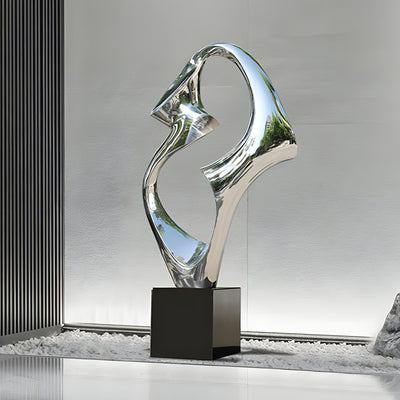
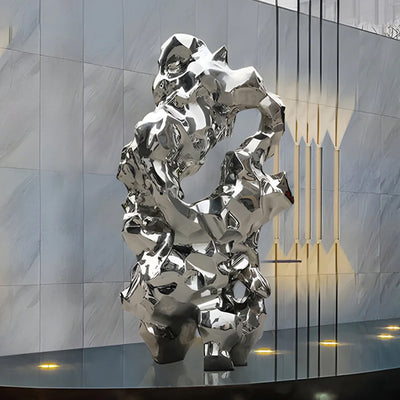
Unlike geometric or industrial sculpture, organic sculptures draws inspiration from the natural world curves, textures, and forms that mimic the environment rather than contrast with it. These pieces often use natural materials such as wood, stone, clay, or mixed media, allowing them to harmonise beautifully with plants, pathways, and landscape features. In many contemporary gardens, it sits alongside abstract sculptures to create a powerful dialogue between nature and imagination.
Organic sculpture’s defining characteristics include:
Flowing sculptural forms that echo natural movement
Organic shapes in art that mirror nature’s irregularity
Earthy textures that age gracefully outdoors
Sustainable and natural materials that feel at home in a garden setting
This natural synergy is exactly why this type of sculpture is becoming essential in modern garden design.
How Sculptural Features Create Impactful Garden Focal Points
Every memorable garden has a centrepiece something that instantly draws the eye. Sculptural excels in this role because it can be both subtle and dramatic.
Creating Visual Depth
A well-placed sculptures creates sightlines, draws attention to specific areas, and adds dimension to flat or open spaces.
Enhancing Natural Flow
Organic shapes mimic the curves of leaves, waves, vines, and landscapes. This enhances the natural rhythm of the garden instead of disrupting it.
Inviting Curiosity and Exploration
A sculptural element can transform an ordinary path into a journey. Visitors naturally wander towards interesting textures, shapes, and colours.
Complementing Seasonal Changes
Unlike plants, sculptures don’t fade with the seasons. It provides year-round structure lush and vibrant in summer, striking and architectural in winter.
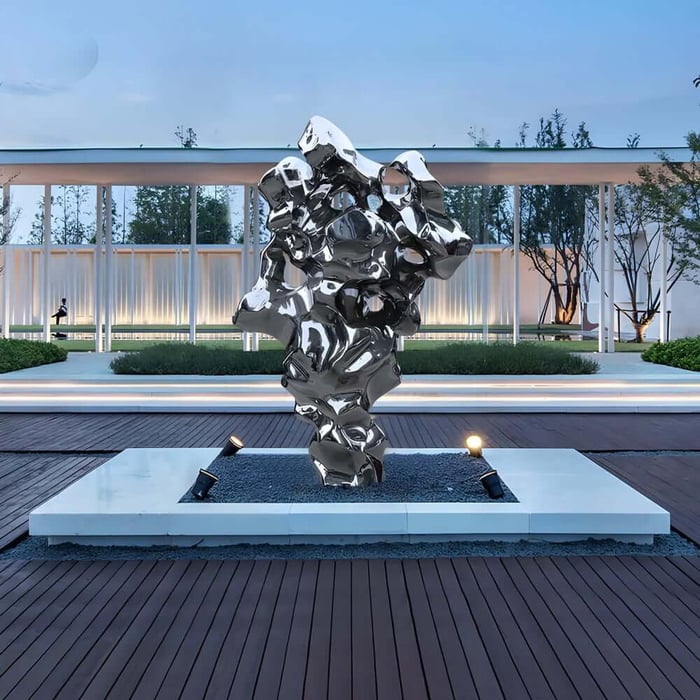
Wood: Warm and Authentic
Ideal for natural gardens, wooden sculptures blend effortlessly into green spaces.
Works well in rustic or wild environments
Can be treated to withstand weather
Stone: Timeless and Resilient
Stone is perhaps the most durable option.
Perfect for minimalist, Japanese, or modern gardens
Ages beautifully as moss and lichen develop
Clay and Ceramics: Earthy and Expressive
Ceramic organic sculptures brings colour and character.
A great choice for contemporary garden designs
Glazed options add vibrancy and reflect light
Mixed Media: Creative Freedom
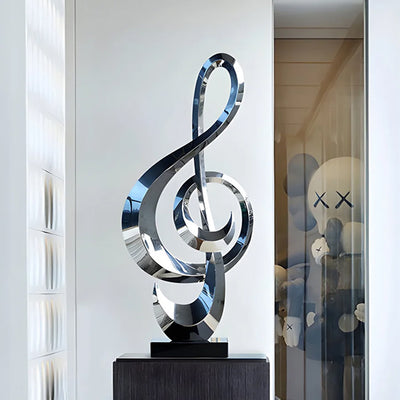
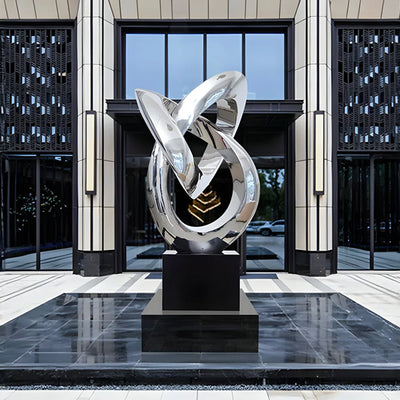
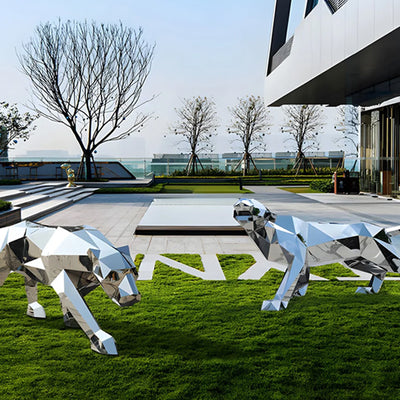
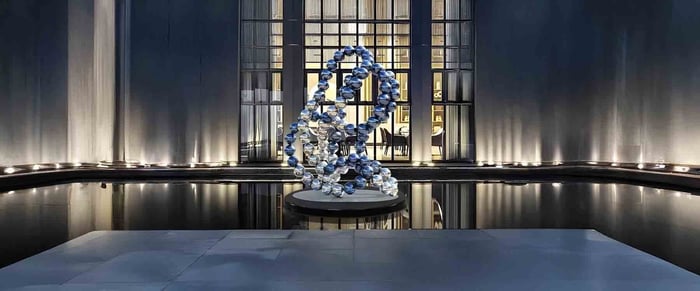
Combining metal, wood, stone, and recycled materials creates mixed media organic sculptures with layered textures and originality. In some schemes, sculptors also introduce steel sculptures to add a sleek, reflective contrast that plays beautifully with light and foliage.
Ideal for modern, eco-friendly spaces
Perfect if you want something truly unique.
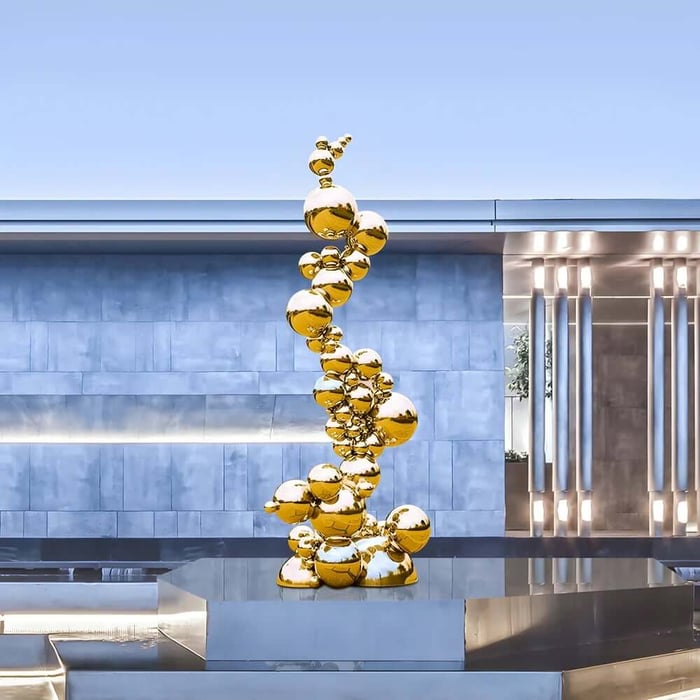
How to Style Organic Sculptures in Your Garden
Work With Natural Lines
Align sculptures with curves in your landscape pathways, ponds, and flowerbeds so it feels naturally integrated rather than imposed.
Use Greenery as a Frame
Tall grasses, shrubs, or ferns make the sculptures feel like a discovery rather than a standalone object.
Play With Scale
Large organic sculptures can become a dramatic centrepiece, while smaller pieces work well tucked into corners or near seating areas.
Consider Material Harmony
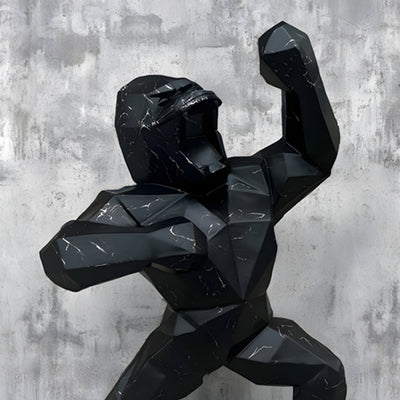
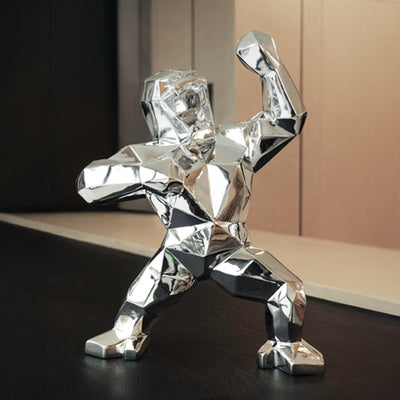
Choose materials that complement existing garden textures stone pathways, timber decking, or lush foliage. In some gardens, designers balance organic forms with geometric sculptures to create tension and contrast that make both styles stand out even more.
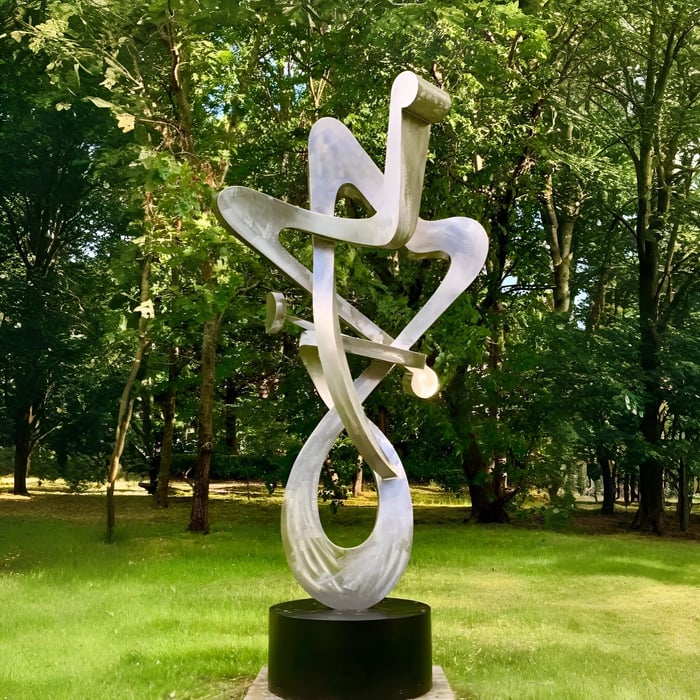
The Psychology of Organic Sculptures in Outdoor Spaces
Art doesn’t just beautify a garden it transforms how people feel within it and encourages:
Calm and mindfulness- natural forms evoke a sense of tranquillity and connection to the earth
Creativity and imagination- flowing shapes and abstract forms open the mind to interpretation
A deeper connection to nature- sculptures made from natural materials reinforce the sensory experience of being outdoors
These emotional effects make organic sculptures ideal for:
Wellness gardens
Meditation spaces
Spa environments
Outdoor seating areas
Private courtyards

Designing Garden Zones With Organic Sculptures
If your garden is large or layered, sculptures can help define separate “moments” within the landscape.
Entrance Zone
Create a powerful first impression with a bold, vertical piece near the entrance to set the tone for the entire garden.
Relaxation Corner
Use soft, flowing organic shapes near seating areas for a calming effect and to make the space feel more intimate.
Pond or Water Feature
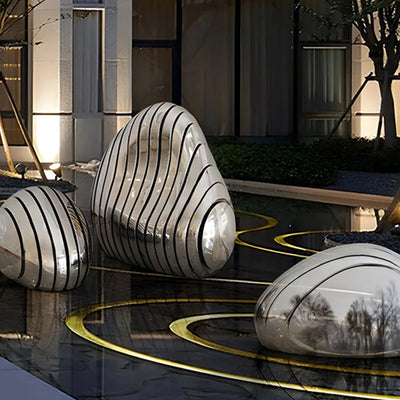
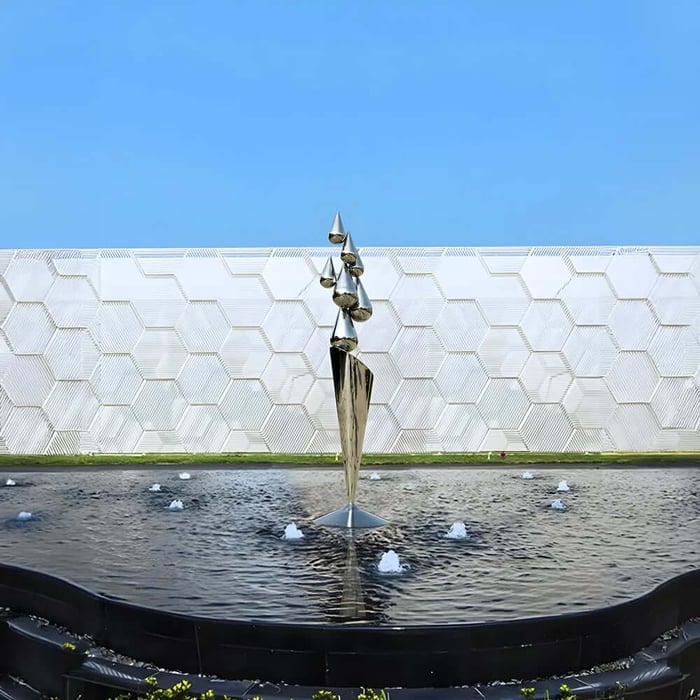
Sculptures with smooth lines complement the fluid nature of water and can act as visual anchors beside ponds or rills.
Shaded Woodland Area
Wood, stone, or clay pieces thrive in cool, earthy settings beneath trees, feeling like natural extensions of the landscape.
Open Lawn or Meadow
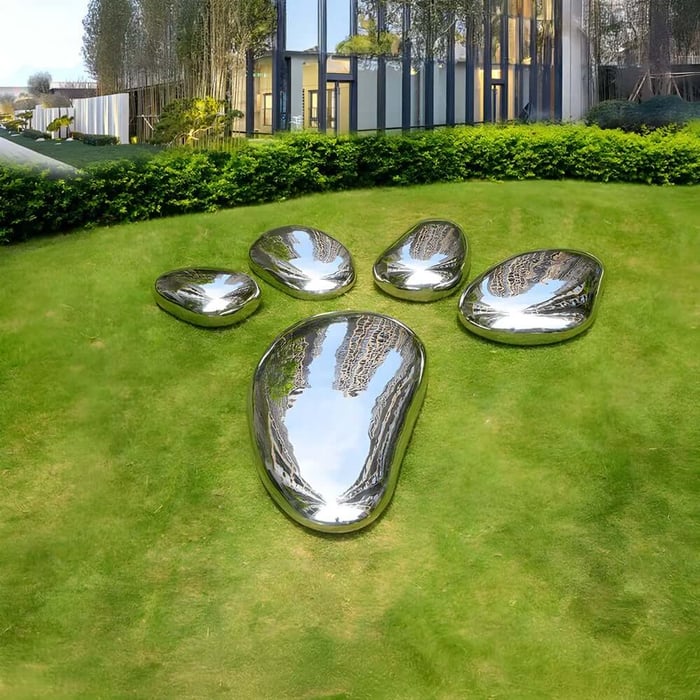
A single, large sculpture adds structure and breaks up expansive open spaces, drawing the eye across the garden.

When selecting a piece, consider:
Space and scale- a sculptures should feel proportional to its environment
Small gardens: intimate, delicate pieces
Large gardens: tall or wide, visually powerful forms
Material suitability- ensure the material suits your climate and maintenance preferences
Personal aesthetic- organic sculptures range from minimalist to wildly expressive, so choose what truly resonates with you
Long-term impact- opt for pieces that improve with age; natural materials often develop character over time.
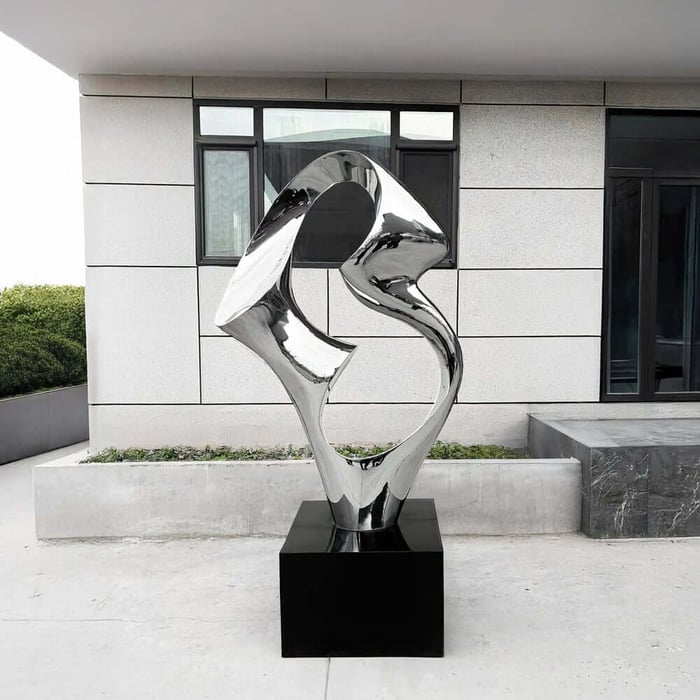
A sculptor can create a piece based on:
Your garden’s layout
Your design style
Your preferred materials
The emotional effect you want the sculpture to evoke
This approach ensures the sculpture feels deeply connected to your space rather than simply placed within it.
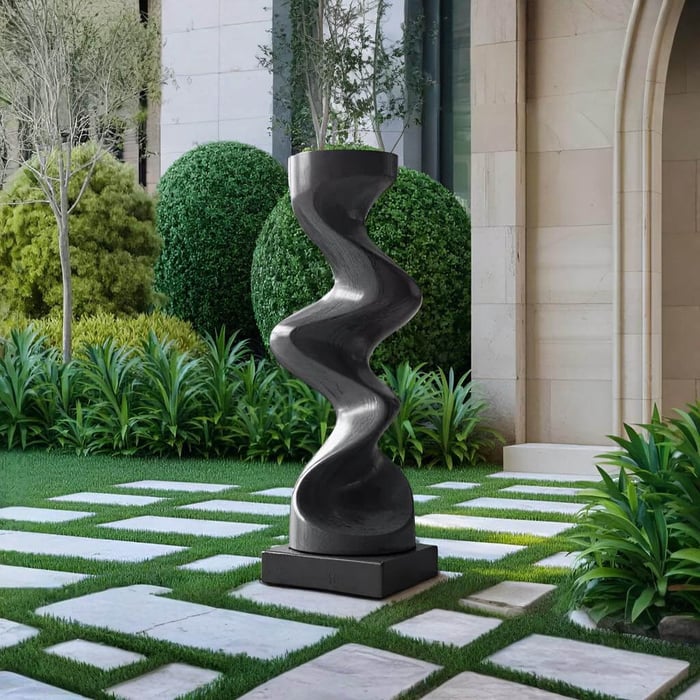
Caring for Organic Sculptures Outdoors
Though organic sculptures are often durable, a little maintenance goes a long way:
Wood may require oiling or sealing annually
Stone usually needs only occasional brushing
Ceramics should be checked for cracks after harsh weather
Mixed media pieces may need metal elements treated for rust
Regular attention not only preserves the sculptures but also enhances its beauty and longevity.
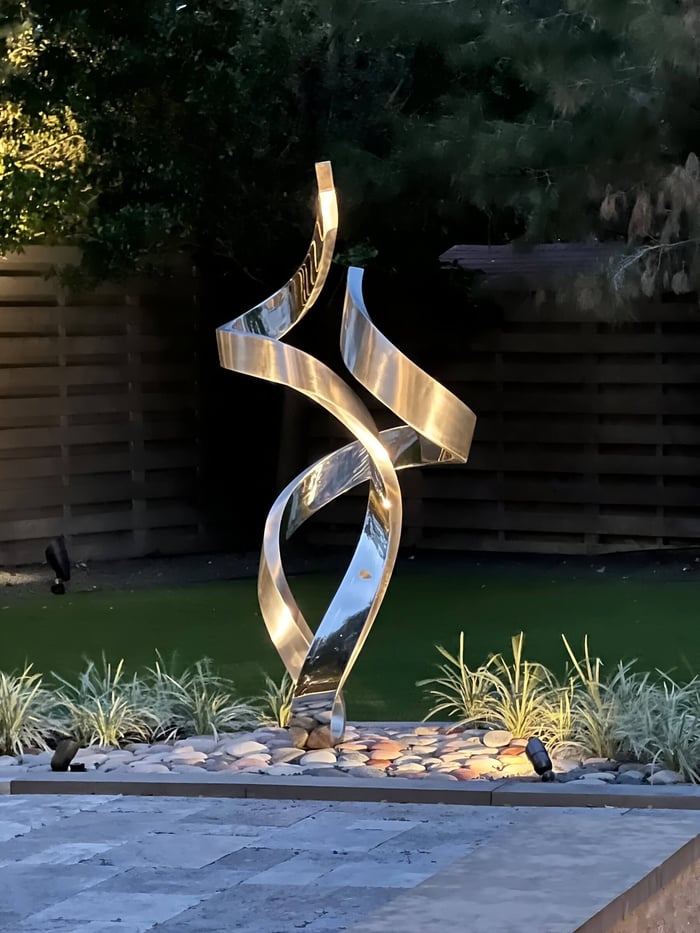
Conclusion: Transform Your Garden with Organic Sculptures
Organic sculptures has a remarkable ability to bring depth, emotion, and artistry to any outdoor space. It creates focal points, enhances natural flow, and turns gardens into immersive environments that feel both intentional and alive. From warm wooden forms and timeless stone pieces to expressive ceramics and imaginative mixed media works, the right sculptures can completely change how you experience your garden.
If you’re ready to transform your outdoor space into a true artistic haven, explore statement-making organic pieces from Giant Sculptures. Choose a sculptures that resonates with your style, let it anchor your garden design, and watch as your space evolves into a place you’ll be proud to share and delighted to escape to for years to come.
FAQs
What is an organic sculpture in garden design?
It’s a nature-inspired artwork with flowing forms and natural materials that blends into the garden rather than standing apart from it.
Where should I place a sculpture in my garden?
Use it as a focal point by an entrance, seating area, pond, woodland corner, or in the middle of an open lawn.
Which materials work best for outdoor sculptures?
Stone, wood, clay, ceramics, mixed media, and stainless steel all work well if they’re suitable for your climate and maintained properly.
How do sculptures change the feel of a garden?
They add calm, interest, and personality, encouraging mindfulness, creativity, and a stronger connection to nature.
How do I look after a garden sculpture?
Clean it occasionally, seal or oil wood, check ceramics for cracks, and treat any metal for rust so it stays beautiful for years.