
































































Table of Contents
- What Figure Art Looks Like in Modern Design
- The Human Form as a Visual Language
- Figure Art and Cultural Identity in Design
- Influence on Graphic and Brand Design
- Figure Art in Interior and Spatial Design
- Digital Design and Contemporary Visual Culture
- Why Figure Art Remains Relevant Today
- Learning to Read Figure-Based Design
- Conclusion: The Human Form at the Heart of Modern Design
- FAQs
Figure art has played a defining role in visual culture for centuries, but its influence within modern design is often underestimated. From graphic design and branding to interiors and digital media, the human form continues to guide how we communicate ideas, emotion, and identity. In contemporary creative fields, figure-based imagery is not about copying reality; it is about interpretation, connection, and meaning.
Modern design relies heavily on visual language that feels relatable and human. The presence of the body suggested or clearly defined helps designers create work that feels grounded, expressive, and culturally aware. Understanding how figure-based imagery functions in today’s visual landscape reveals why it remains one of the most powerful tools in design.
What Figure Art Looks Like in Modern Design
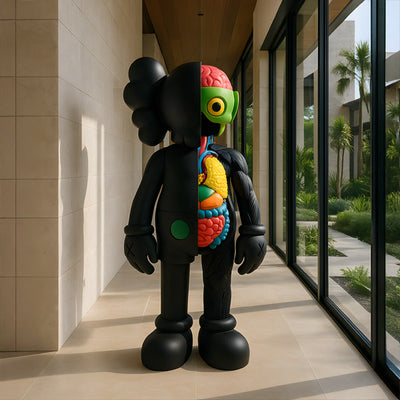
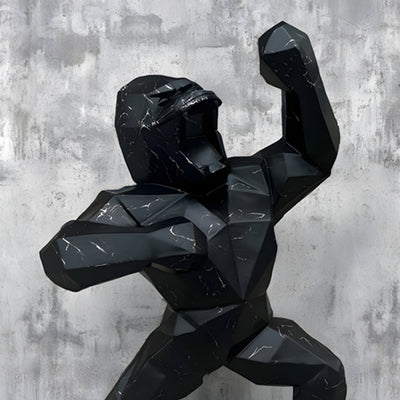
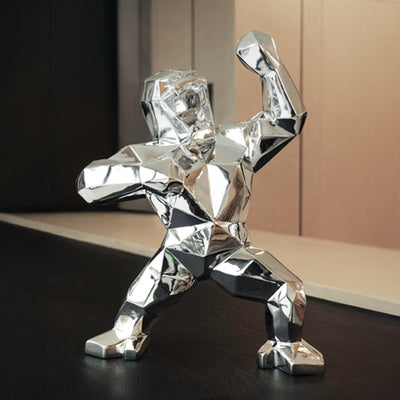
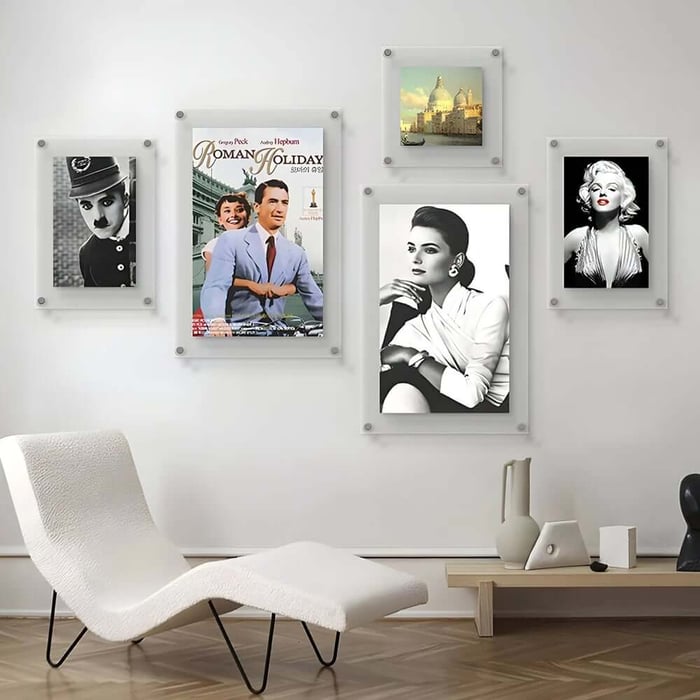
Figure Art refers to creative work that centres on the human body as a visual subject. In modern design, this does not always mean realistic depictions. Often, the figure appears simplified, abstracted, or stylised to suit a particular message or medium. What matters is the reference to the human form and how it communicates meaning.
Designers use figure-based imagery to suggest movement, scale, and emotion. Even a minimal outline or fragmented silhouette can imply presence and narrative. In this way, the figure becomes a design element rather than the sole focus, blending seamlessly with typography, colour, and layout.
The Human Form as a Visual Language
The human body is universally understood. We instinctively read posture, gesture, and proportion, even when forms are highly stylised. This makes figure-based visuals especially effective in modern design, where clarity and instant recognition matter.
A raised arm can suggest confidence or protest. A curved posture may feel calm or introspective. Designers rely on these visual cues to communicate complex ideas without relying on words. This is why figure art-inspired visuals appear frequently in posters, editorial layouts, and digital interfaces.
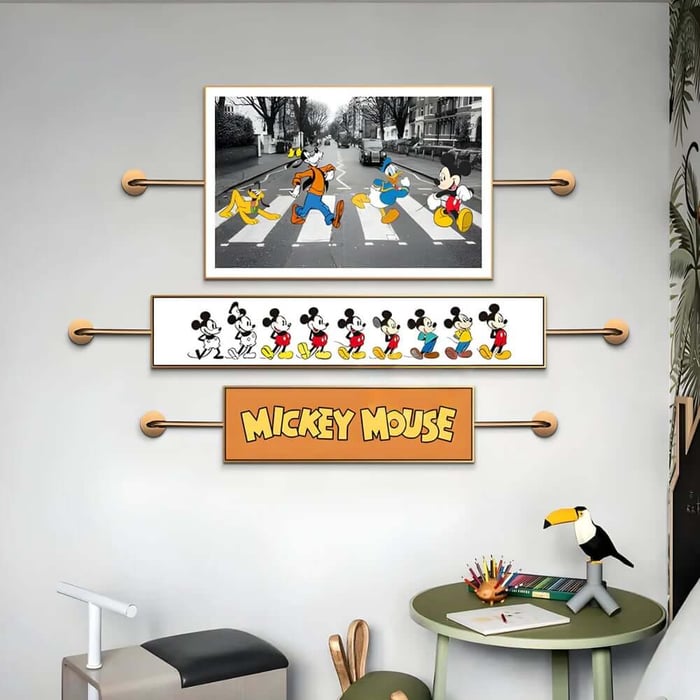
Figure Art and Cultural Identity in Design
Modern design often reflects social values, identity, and shared experience. The human form allows designers to explore themes such as diversity, body image, and representation. Figure-based imagery can challenge traditional ideals and present bodies in ways that feel authentic and inclusive.
This approach aligns closely with broader visual movements that celebrate individuality. In some design spaces, you may notice echoes of retro art, where simplified figures and bold forms draw on historical aesthetics while addressing contemporary themes. These references help connect past and present, reinforcing cultural continuity.
Influence on Graphic and Brand Design
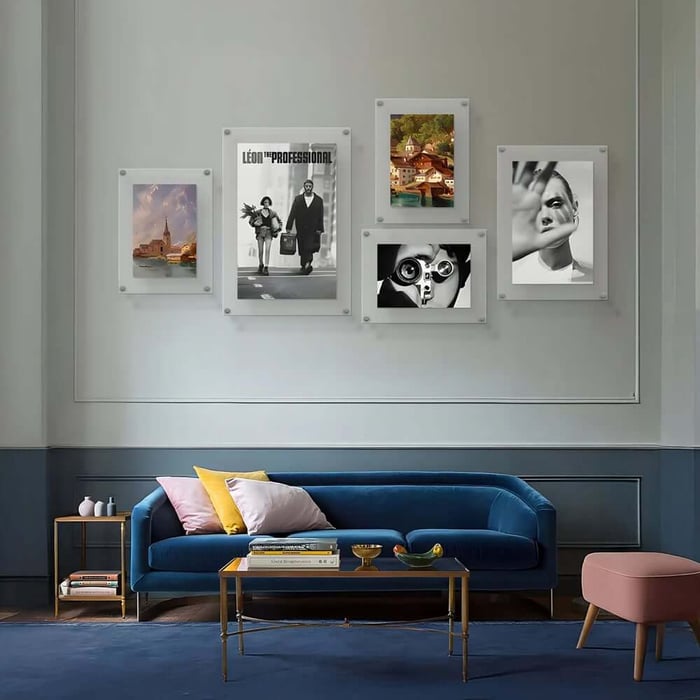
Brands increasingly use figure-inspired visuals to appear more relatable. Abstract figures, hand-drawn bodies, and expressive poses help soften corporate identities and create emotional warmth. These designs feel personal rather than mechanical.
In branding, the human form often appears indirectly through icons, illustrations, or patterns that reference movement or anatomy. This strategy makes visual identities more engaging and memorable, especially in digital spaces where attention is limited.
Common design applications include:
Editorial illustrations featuring simplified figures
Brand mascots based on human proportions
Pattern designs inspired by body movement
Interface visuals that use gesture-based shapes
Each approach relies on the viewer’s natural ability to recognise and relate to the human form.
Figure Art in Interior and Spatial Design
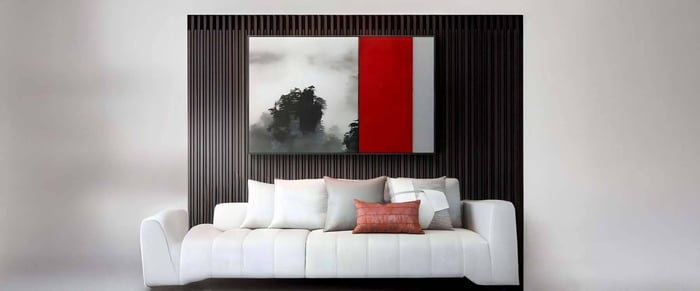
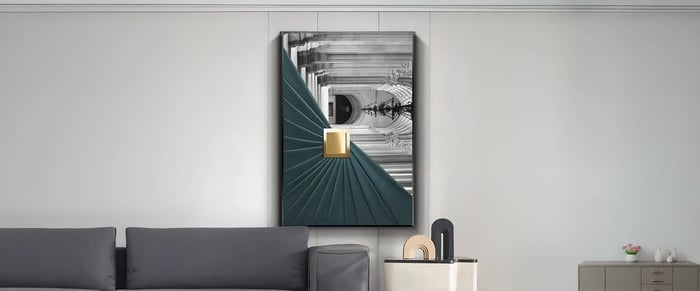
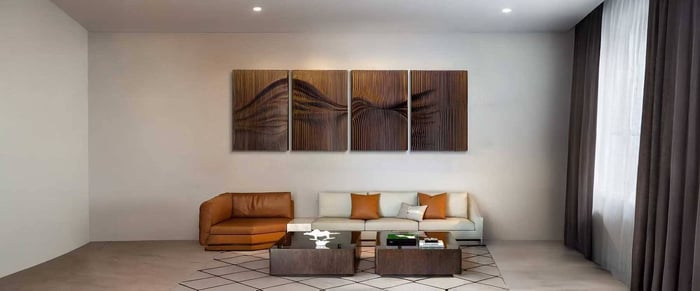
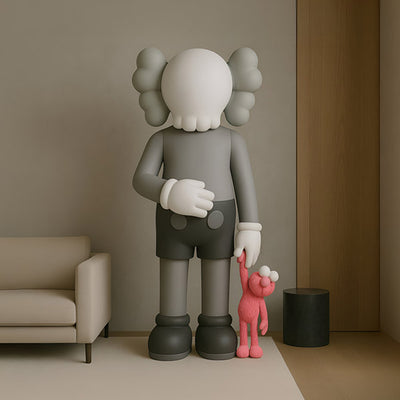
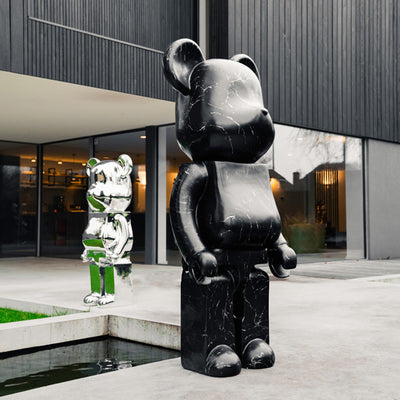
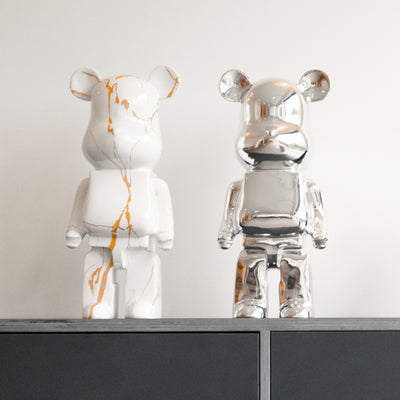
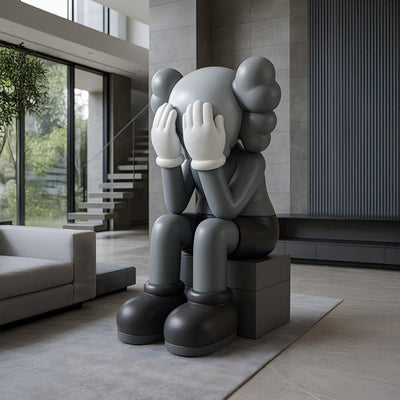
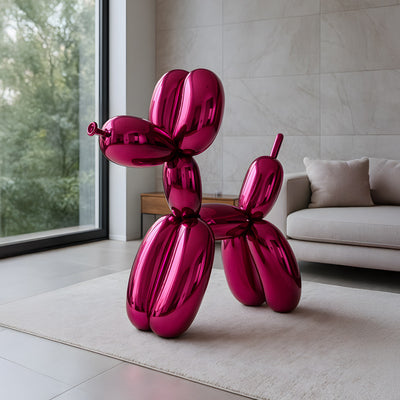
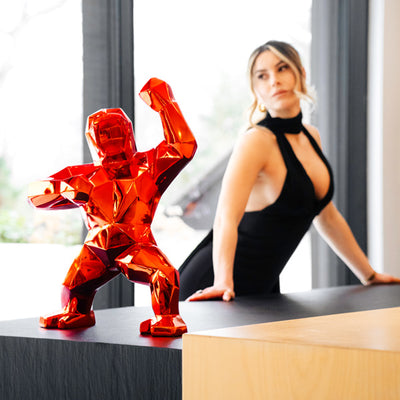
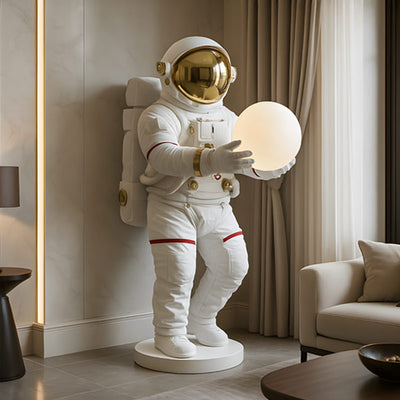
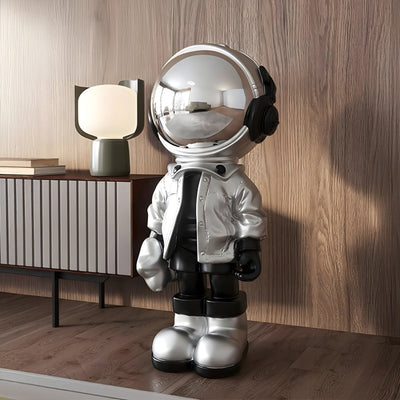
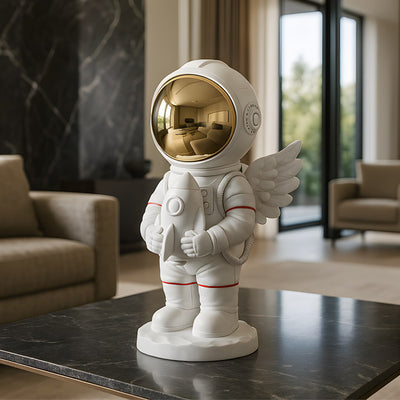
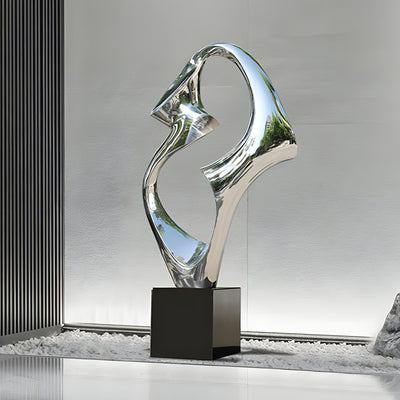
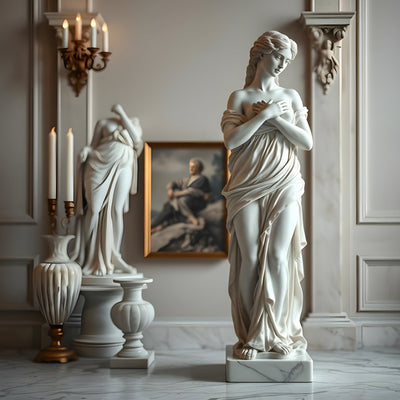
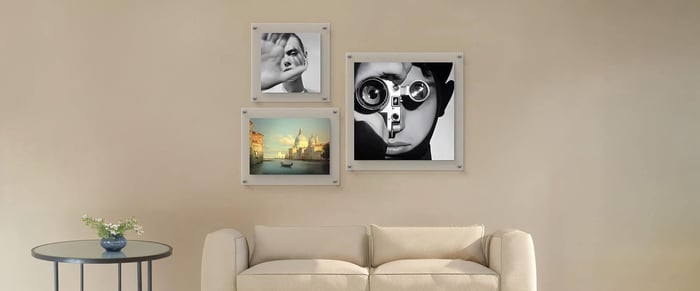
Figure-inspired visuals are not limited to screens and print. In interior spaces, artwork featuring the human form adds depth and personality. Designers often choose figurative pieces to create a sense of warmth and narrative within a room.
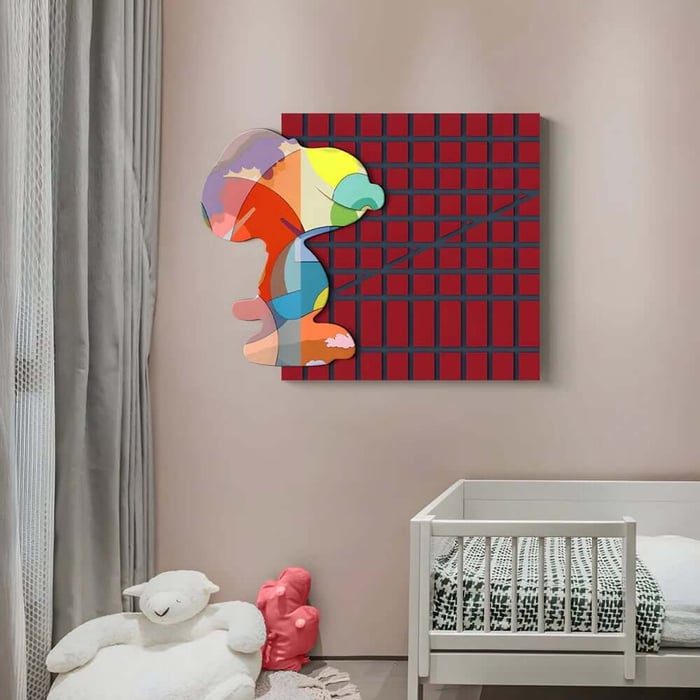
In family-focused environments, carefully chosen artwork can feel both engaging and accessible. For example, subtle figurative illustrations can work well alongside kids room art, where soft shapes and friendly forms support creativity without overwhelming the space.
Digital Design and Contemporary Visual Culture
Digital platforms have expanded how figure art is used in design. Motion graphics, web design, and social media visuals frequently rely on animated or illustrated figures to guide users and tell stories. These figures often move fluidly, reinforcing the connection between body and interaction.
The rise of digital illustration has also encouraged experimentation. Designers can distort scale, exaggerate gestures, or combine figures with abstract elements while maintaining clarity. This flexibility keeps figure-based design fresh and relevant in a fast-changing visual culture.
Why Figure Art Remains Relevant Today
Figure Art endures because it reflects lived experience. No matter how technology advances, design ultimately serves people. The human form reminds viewers that creativity is rooted in human perception, emotion, and connection.
Modern design benefits from this reminder. Figure-based imagery slows the viewer down, inviting interpretation rather than instant consumption. It encourages empathy and curiosity, qualities that are increasingly valuable in visual communication.
Learning to Read Figure-Based Design
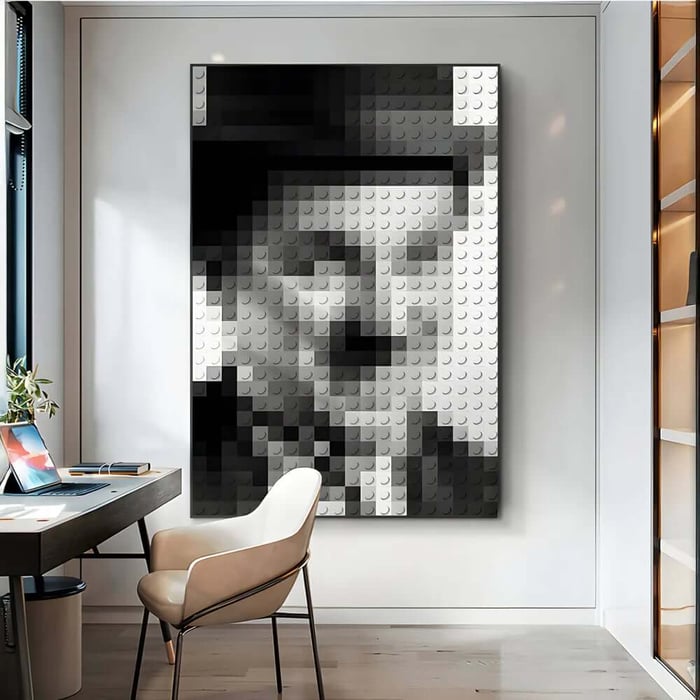
Appreciating figure-inspired design means looking beyond surface aesthetics and paying attention to what the body is communicating through figure art. Consider how posture, proportion, and placement shape the overall message and guide your eye across the composition. Notice how figures interact with space, whether they dominate the layout or quietly support other elements like typography. Also observe how much detail is included, and what has been deliberately left out to keep the message clear.
As you build this awareness, you start to recognise how design uses the human form to convey meaning quickly and intuitively. Small choices like a tilted head, an open stance, or a compressed silhouette can suggest emotion, identity, or tension without a single word. This helps you read figure-based design more confidently, whether it appears in posters, branding, or digital interfaces. It’s a useful skill not only for artists and designers, but for anyone who wants to understand visual culture more deeply.
Conclusion: The Human Form at the Heart of Modern Design
Figure art continues to shape modern design by providing a visual language that feels instinctive and expressive. Through gesture, form, and movement, the human body helps designers communicate ideas that resonate across cultures and mediums, influencing how we experience visual culture today. Whether abstract or detailed, subtle or bold, figure art remains central to creative expression that feels human and meaningful.
As design continues to evolve, the presence of the human form ensures that creativity stays connected to real people and real experiences. Explore the collection of figure-inspired pieces to discover how thoughtful styling and artistic interpretation can bring character and meaning into your space.
FAQs
What is Figure Art in modern design?
Figure Art in modern design refers to the use of the human form as a visual element within contemporary creative fields such as graphic design, interiors, and digital media. It often appears in simplified or stylised forms rather than realistic depictions, focusing on meaning and expression.
Why is the human form important in visual culture?
The human form is universally recognisable, making it an effective way to communicate emotion, movement, and identity. Designers use figure-based imagery because people naturally respond to posture, gesture, and proportion on an intuitive level.
How does Figure Art influence branding and graphic design?
Figure Art helps brands feel more relatable and human by softening visual identities and adding emotional warmth. Abstract figures and body-inspired shapes are commonly used to create memorable, approachable designs.
Is Figure Art always realistic?
No, Figure Art does not need to be realistic to be effective. In modern design, figures are often abstracted or simplified to suit the message, medium, or audience while still referencing the human body.
How can viewers better understand figure-based design?
Viewers can improve their understanding by paying attention to gesture, proportion, and how figures interact with space. Looking beyond surface aesthetics helps reveal the ideas and emotions the design is intended to communicate.