
Resin sculptures has become one of the most talked-about materials in modern décor and collectible art. You’ll spot it in minimalist homes, boutique hotels, and on the shelves of people who love statement pieces with a clean, contemporary finish. Part of the appeal is that resin can look expensive and sculptural without being heavy or fragile. It also gives artists and makers the freedom to experiment with colour, texture, and detail in ways that are harder to achieve with stone, ceramic, or metal.
This guide is designed to be helpful whether you’re simply curious or you’re actively looking to buy. You’ll learn what resin sculptures are, why they’ve become so popular, what affects quality, and how to choose a piece that suits your space and holds up over time.

Resin Sculptures: The Basics (And How They’re Made)
Resin sculptures are three-dimensional pieces made from resin, a material that starts as a liquid and cures into a hard solid. In simple terms, resin can be shaped, coloured, and finished to create decorative objects and artwork that range from small shelf accents to large statement pieces.
There are two common ways these pieces are made:
Casting (made in a mould)
Casting involves pouring resin into a mould, where it sets into the final shape. This method is often used for clean, repeatable forms such as figurines, geometric designs, and modern abstract shapes. A well-made cast piece can capture crisp edges and fine textures, which is why resin is popular for detailed designs.
Coating (finished over a base form)
Coating involves applying resin over a base sculpture often clay, wood, or another shaped material. The resin seals the surface and creates a smooth, durable finish. Coated pieces can feel more handcrafted because you’re often seeing the artist’s underlying sculpting work beneath the final resin layer.
Both methods can produce excellent results. If you’re shopping, you don’t need to know every technical detail, but it helps to understand why one piece might look perfectly uniform (cast) while another has a more organic, handmade feel (coated).

The Appeal of Resin Sculptures: Style, Practicality, and Shareability
The rise of resin sculptures isn’t just a random trend it lines up with how people decorate their homes now, how artists share work, and what buyers expect from modern design.
They look premium but stay practical
Resin can imitate the look of stone, ceramic, or metal while staying lighter and easier to move. That matters in real homes. People want a bold piece for a console table or a shelf, but they don’t necessarily want something heavy enough to damage furniture or awkward enough to reposition.
They suit modern interiors and styling habits
Modern interiors often rely on shape, texture, and negative space rather than clutter. Resin works well here because it can be finished in matte neutrals, glossy blacks, translucent tones, or textured surfaces that mimic plaster or stone. That flexibility makes it easy to find a piece that fits minimalist, Scandinavian, industrial, or eclectic spaces.
Artists can do more with colour and effects
Resin allows effects like marbling, smoky swirls, layered translucency, and terrazzo-style chips. Metallic powders and pigments can create finishes that look almost like polished mineral. These details photograph beautifully, which helps explain why resin pieces get shared widely online.
Social media amplifies what “pops”
Anything that catches light, shows depth, or looks tactile tends to do well on Instagram and Pinterest. Resin delivers all of that. The same glossy highlight that looks great in a photo also helps a piece stand out in a room, especially with good lighting.
Collecting culture has shifted
More buyers are building small, personal collections rather than investing only in traditional “fine art”. They want pieces that feel expressive and modern, and resin sits in that sweet spot between accessible décor and collectable design.
If you’ve ever looked at bear sculptures and thought, “That would make the shelf look finished,” you’ve already seen how resin pieces can work as a focal point without overpowering the room.

How to Evaluate Resin Sculptures: Design, Finish, and Presence
Resin is just a material what matters is how it’s used. Some resin sculptures are mass-produced décor. Others are limited editions made by established artists, with intentional design choices and careful finishing.
If you’re deciding whether a piece feels like “art” or simply décor, consider:
Originality: Is the design distinctive or generic?
Finish quality: Are edges crisp, surfaces clean, and details intentional?
Edition and provenance: Is it part of a limited run, signed, or documented?
Presence: Does it hold attention from different angles?
A simple test: if the piece still feels interesting when you change the lighting or view it from across the room, it’s doing more than just filling space.

Choosing by Material: Resin Types and What They Mean for You
When people say “resin”, they typically mean a two-part system (resin + hardener) that cures into a solid. Different formulas exist, and while you don’t need to memorise them, understanding the basics helps you shop smarter.
Common resin types you’ll hear about
Epoxy resin: Often used for clear casting and decorative pieces, with good detail and finish options.
Polyurethane resin: Common in production casting, often used for crisp, solid forms.
Polyester resin: Used in some manufacturing contexts and fibreglass work.
As a buyer, the important questions are practical:
Is the piece meant for indoor display only?
Does it have UV protection or a finish that helps resist sunlight?
How should it be cleaned and maintained?
That’s where long-term satisfaction usually comes from not the label on the resin bottle.

How to Choose Resin Sculptures That Look Good and Last
This is the section that turns browsing into confident buying. Choosing resin sculptures is about matching the piece to your home, your lifestyle, and the spot where it will live.
1. Choose the role: statement piece or accent
A statement sculpture anchors a space. An accent sculpture supports a display.
Statement piece: Larger, bolder, designed to be noticed first. Think console tables, entryways, coffee tables, or a sideboard centrepiece.
Accent piece: Smaller, designed to complement books, vases, frames, or candles without competing.
If your room already has lots of pattern or colour, choose a calmer form. If your room is neutral, a bolder resin piece can add contrast and personality.
2. Pay attention to finish (it changes everything)
Finish affects both the look and the day-to-day practicality.
Glossy finishes look sleek and modern. They catch light and can make colour look deeper. The trade-off is they show fingerprints and hairline scratches more easily.
Matte or satin finishes look softer and more sculptural. They hide handling marks better and often suit natural, earthy interiors.
If the piece will be handled often or placed in a busy spot, satin or matte can be a safer choice.
3. Check for quality signals
You can usually spot quality by looking for:
Clean edges and consistent surfaces
No unintended cloudiness (unless it’s a deliberate design effect)
Minimal visible trapped dust
Smooth, even colouring and intentional texture
Small bubbles can happen in handmade pieces and aren’t always a deal-breaker. Large clusters in focal areas, though, can make a piece look unfinished.
4. Think about colour stability and sunlight
One of the most common concerns with resin sculptures is yellowing over time, especially in clear or pale pieces. Sunlight and heat are the usual triggers.
If your piece will sit near a bright window:
consider opaque colours or darker tones
ask about UV resistance or protective coatings
avoid placing it where it gets direct sun for hours every day
If you love the look of translucent resin, it’s still a good choice just position it thoughtfully.
5. Get the size right (most people underestimate)
Online photos can be deceptive. Before buying, check measurements and compare them to something at home, like a book or a vase. A sculpture that seems substantial in a product photo can look lost on a wide console.
As a guide:
Shelves often suit smaller pieces with depth
Consoles suit mid-sized to large pieces
Coffee tables suit lower, wider shapes that don’t block sightlines
If you’re building a themed or curated display, something like iconify sculptures can work well because a strong silhouette helps the eye “read” the piece from a distance.
6. Indoor vs outdoor: don’t assume it’s garden-safe
Some resin pieces can go outdoors, but many are designed for indoor display only. Outdoor placement introduces UV exposure, rain, temperature swings, and the risk of surface wear.
If you’re considering outdoor display, check:
whether the piece is specifically made for exterior conditions
whether it has UV protection
how it’s sealed or finished
whether seasonal storage is recommended
For most buyers, resin works best indoors unless the product is clearly sold as outdoor-safe.

Styling Resin Sculptures So They Look Intentional
Even the nicest sculpture can look random if it’s placed awkwardly. Styling is where resin sculptures really shine.
Use space on purpose
Give a sculpture breathing room. If it’s squeezed between lots of small objects, it reads like clutter. If it has space around it, it reads like design.
Build around height and texture
Try pairing resin with materials that contrast:
books (matte paper texture)
wood (warm, natural grain)
glass (light and reflection)
ceramics (soft, chalky surfaces)
Think in odd numbers
A single sculpture can look strong on its own. If you’re grouping items, threes often look more natural than twos.
Lighting makes the piece
Resin responds beautifully to light. A sculpture near a lamp or a soft spotlight can look more dimensional than the same piece in flat overhead lighting.
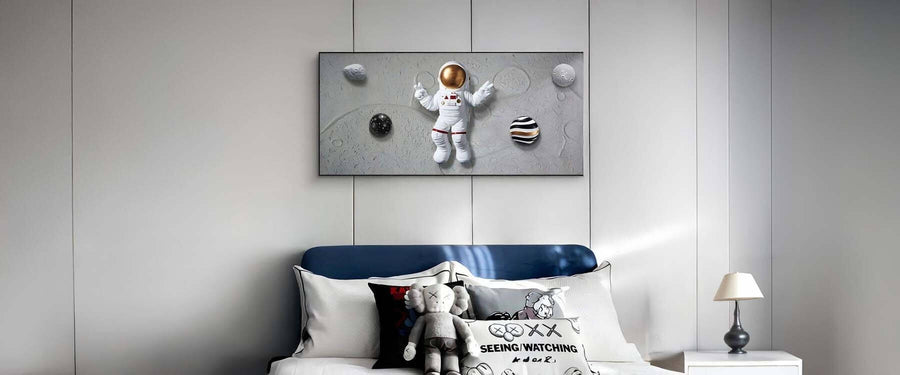
If you’re choosing something playful or futuristic like astronaut sculptures lighting matters even more because highlights and shadows help the form stand out.

Resin Sculpture Care: Cleaning, Protection, and Placement
Care for resin sculptures is usually simple, but it’s worth doing properly so the finish stays clean.
Cleaning
Dust with a soft microfibre cloth.
For marks, use a slightly damp cloth with mild soap, then dry straight away.
Avoid abrasive sponges and harsh chemicals.
Preventing scratches
Lift rather than drag the piece when moving it.
Use felt pads if it sits on delicate furniture.
Keep glossy pieces away from gritty dust, which can cause tiny surface marks over time.
Long-term placement tips
Keep resin away from strong heat sources like radiators or fireplaces.
Avoid long-term direct sunlight if possible.
If your home gets very bright, rotate display positions seasonally.
These small habits make a big difference in how a piece looks after a year or two.

Conclusion: What to Remember When Choosing Resin Sculptures
Resin sculptures have become popular because they combine style with practicality. They can look like stone or metal, but they’re lighter, easier to place, and available in an enormous range of designs. Once you understand how resin pieces are made, why finish matters, and how sunlight and placement affect longevity, choosing the right sculpture becomes much simpler.
Start by deciding whether you want a statement piece or an accent. Pay attention to finish, size, and where your resin sculptures will live. If it’s near a window, think about colour stability. If it’s a high-traffic area, choose a finish that suits real life. With those basics covered, you’ll end up with something that looks intentional in your space and stays that way.
Ready to find the right piece for your home? Explore the collection at Giant Sculptures and choose a resin sculpture that makes a real impact.