Zen Art has long been admired for its simplicity, calm presence, and profound depth. What appears effortless on the surface is in fact shaped by centuries of spiritual practice, refined technique, and a philosophy grounded in clarity and mindfulness.
By tracing how this artistic tradition has evolved from its early roots in monastic practice to its modern interpretations, we begin to understand why it continues to resonate so strongly today. Zen-inspired works still guide viewers toward stillness, focus, and inner awareness, making Zen Art one of the most enduring and influential creative traditions in the world.
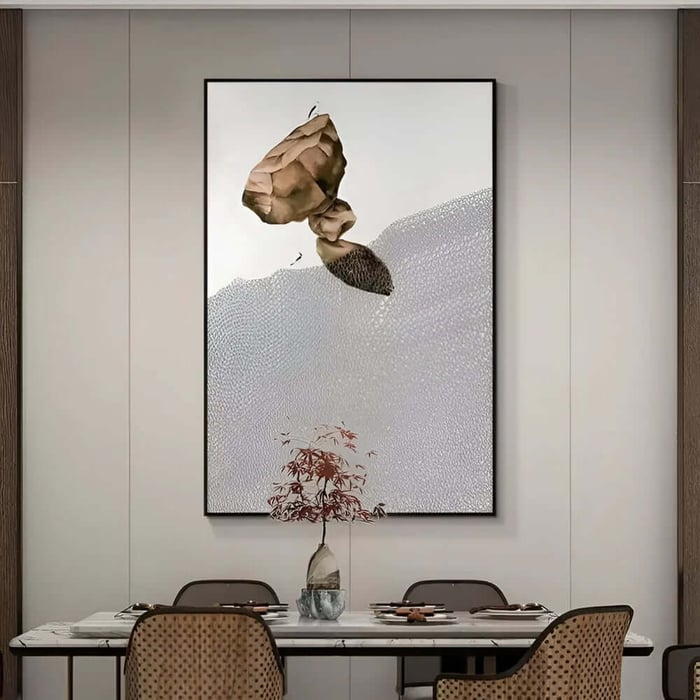
Chan Buddhist Beginnings of Zen Art
The earliest roots of Zen Art reach back to ancient China during the rise of Chan Buddhism. Monks believed enlightenment could be found in ordinary moments, and they expressed this belief through artworks that were spontaneous, honest, and stripped of excess. Brushstrokes were not used to decorate but to communicate a direct experience.
Ink wash painting became the first major expression of this approach. Using water, ink, and soft brushes, artists captured landscapes, mountains, bamboo, and serene natural scenes. Instead of focusing on accuracy, they created movement and open space. The use of negative space became essential, symbolising silence, emptiness, and the breath between thoughts. Some early monks even experimented with textured materials similar to what later became known as cardboard art, simply to explore how surfaces influenced expression.
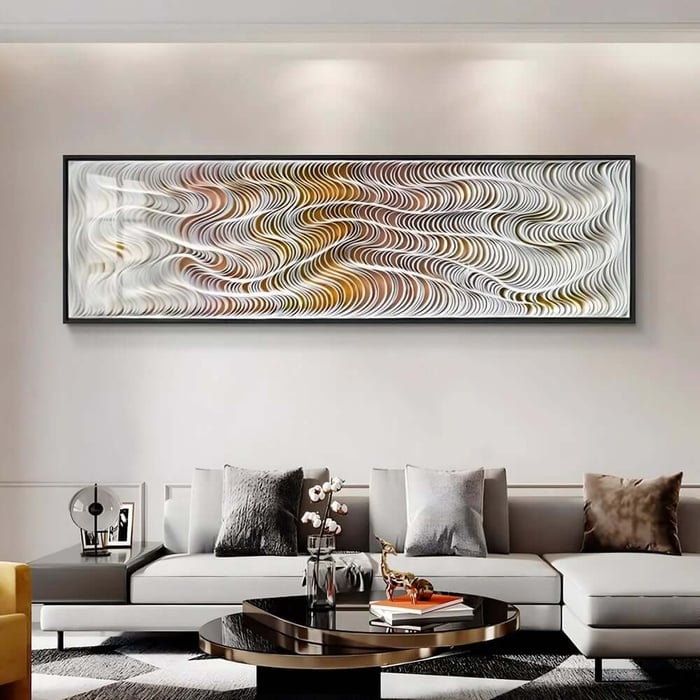
Zen philosophy traveled from China to Japan in the 12th and 13th centuries, where it shaped not only spirituality but also art, architecture, and culture. In Zen monasteries, creating art became part of a monk’s discipline. The Japanese approach added elegance, restraint, and precision while preserving the core spirit of simplicity.
This era introduced several forms that are still recognised today:
Sumi- expressive ink painting
Zenga- calligraphic works created by monks
Enso- a single circle symbolising unity and enlightenment
Bokuseki- bold, spontaneous brush calligraphy capturing the immediacy of a monk’s state of mind
Zen gardens- minimalist rock, sand, and moss compositions designed to evoke stillness and contemplation
Masters such as Hakuin Ekaku created pieces that were bold, humorous, and deeply reflective of the artist’s spiritual state. These works were never meant to be ornamental. Each stroke carried intention, presence, and a moment of inner clarity.
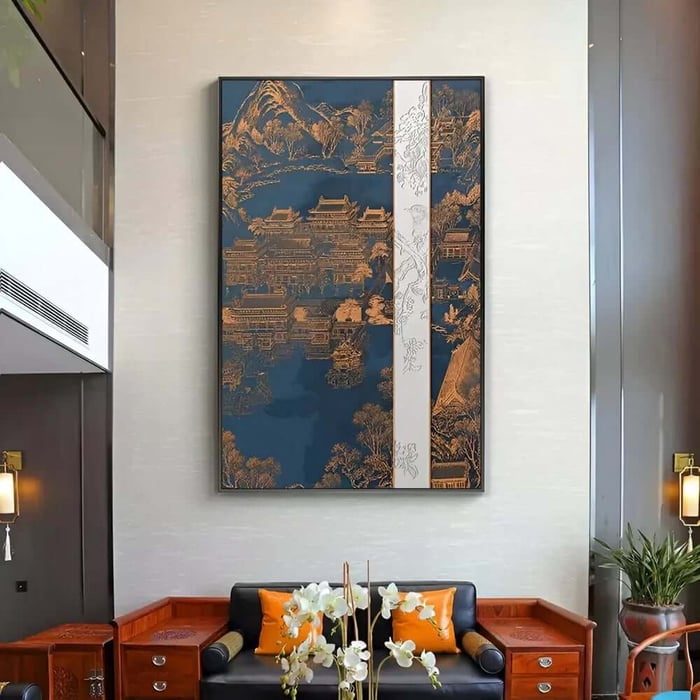
For centuries, this art form served as a teaching tool rather than a decorative craft. Monks used paintings to illustrate lessons, capture moments of insight, and express truths that were difficult to put into words. Creating art became a meditative act, with brushstroke reflecting the artist’s awareness and emotional state.
A lone bamboo stalk, a distant mountain, or a sweeping black line could communicate meaning more effectively than intricate detail. The purpose was never to impress but to reveal the essence of the moment, inviting the viewer into a quieter, more contemplative way of seeing.
Even modern styles, such as contemporary acrylic art, draw inspiration from this philosophy. By focusing on movement, simplicity, and purity of form, these works carry forward the same spirit of presence and clarity that has defined the tradition for centuries.
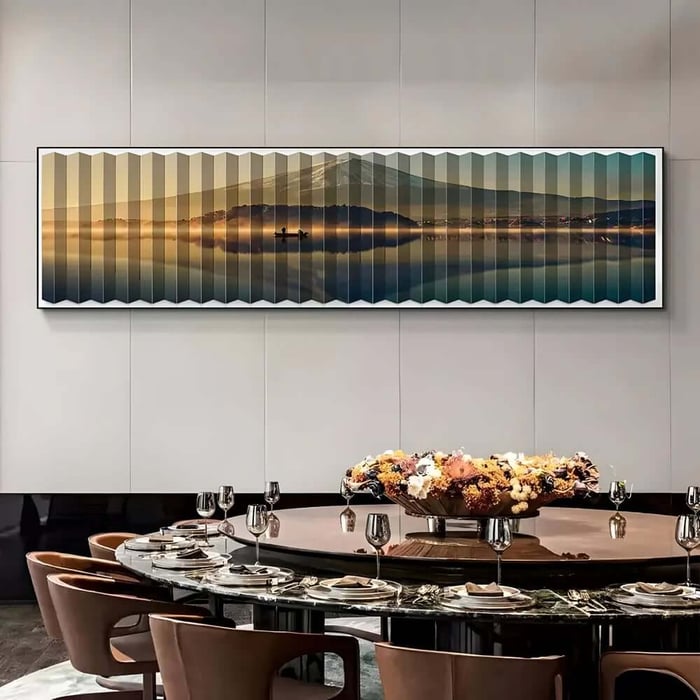
Modern Expressions of Zen Aesthetics
As Zen philosophy spread around the world, the appeal of this aesthetic grew with it. In today’s fast-paced environment, its quiet presence and minimal style offer a refreshing counterbalance. Artists, designers, and collectors appreciate its ability to create calm and focus within a space.
Many modern creators blend traditional ink techniques with digital tools, contemporary materials, and abstract styles. Though the mediums evolve, the core values remain: simplicity, honesty, and awareness.
Zen-inspired works are now common in:
The principles behind this approach have even influenced architecture art, product design, and lifestyle movements such as minimalism and slow living.
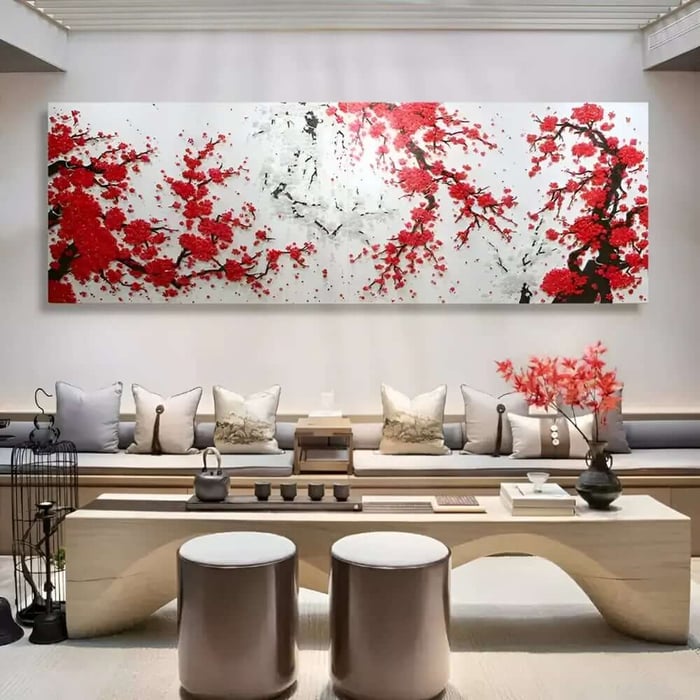
Why This Zen Tradition Still Resonates
This tradition endures because it speaks to something universal. While many artistic styles shift with trends, the quiet appeal of Zen remains constant. Its openness allows anyone to connect with it, whether as a viewer, a collector, or a creator.
A single brushstroke can express more emotion than a crowded composition, capturing a feeling in its simplest form. A soft, understated landscape can encourage the mind to slow down, inviting the viewer into a moment of stillness and reflection.
A simple Enso circle can gently bring attention back to the present, serving as a visual reminder of wholeness and impermanence. People are drawn to these works because they create a sense of space around the image and within the mind something the modern world often lacks.
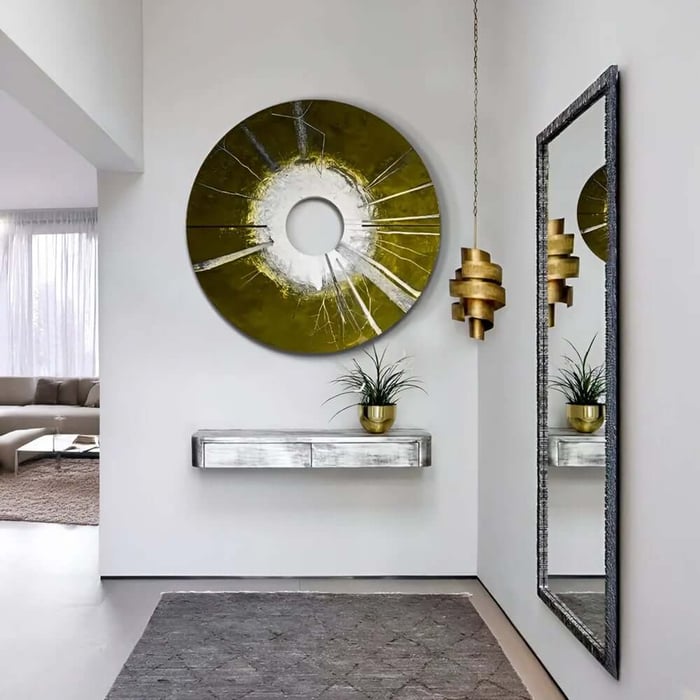
Cultivating Mindfulness Through Zen Art
For many, this form of creativity is not just something to display; it is a personal practice. The goal is not perfection but presence. The hand moves naturally, and there is no judgment, no correction, and no rigid expectation, only a quiet attention to the moment.
A modern Zen-inspired practice might include taking a few calming breaths before beginning, then painting slow, deliberate strokes while staying aware of the body and the breath. The artist pays close attention to how ink or paint spreads and settles on the surface, noticing each mark without trying to force a specific outcome.
This approach also means accepting imperfections as part of the process and allowing the work to unfold without controlling every detail. In this way, the act of creating becomes a moment of grounding, much like meditation itself, offering a gentle pause in the rhythm of everyday life.
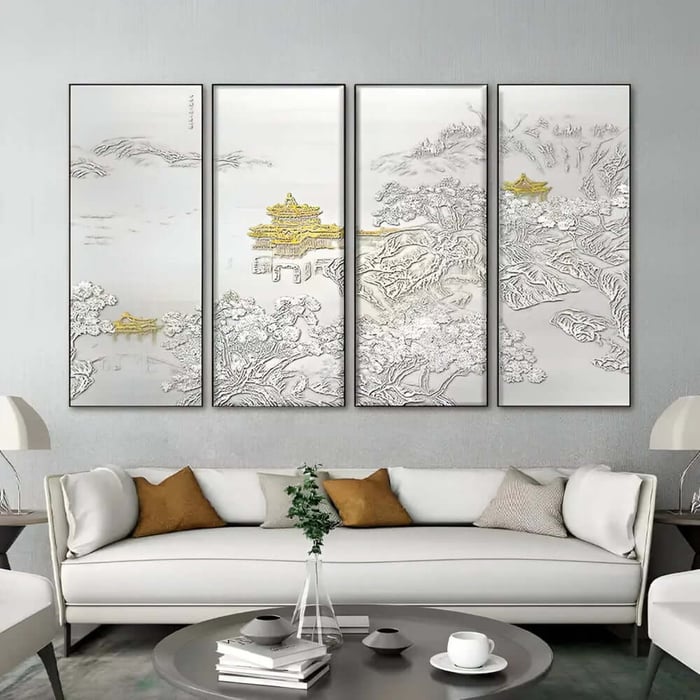
Conclusion: The Enduring Journey of Zen Art
From its beginnings in ancient China to its refined expressions in Japan and its modern interpretations around the world, Zen Art has travelled through centuries while keeping its quiet spirit intact. What started as a spiritual discipline grew into a meaningful artistic tradition that continues to inspire calm, clarity, and intention in today’s busy world. Its strength lies in simplicity, honesty, and its gentle ability to bring us back to the present moment.
If you’re looking to invite more peace, balance, and inspiration into your surroundings, explore this world of Zen-inspired creativity. Whether you choose to view it, study it, or create it yourself, let the practice guide you toward a deeper, quieter way of seeing.
Ready to continue your journey? Explore more Zen-inspired guides and discover how this timeless art form can bring harmony into your everyday life.