














































Table of Contents
Modern interiors are full of clean lines, calm colours, and carefully chosen objects. In spaces like that, every decorative piece has to earn its place. That is exactly why bear sculptures have become so interesting to designers and homeowners. They are not just animals in the corner; they sit at the crossroads of art, symbolism, and interior architecture.
At first glance, it is easy to assume bear sculptures belong only in log cabins and ski lodges. Yet walk through a smart city apartment, a boutique hotel, or a creative studio and you will often see a stylised bear standing on a plinth or glowing under a spotlight. Understanding why these sculptures work so well is helpful if you are trying to bring more personality into your own rooms without cluttering them.
What Makes Bear Sculptures Feel Modern?
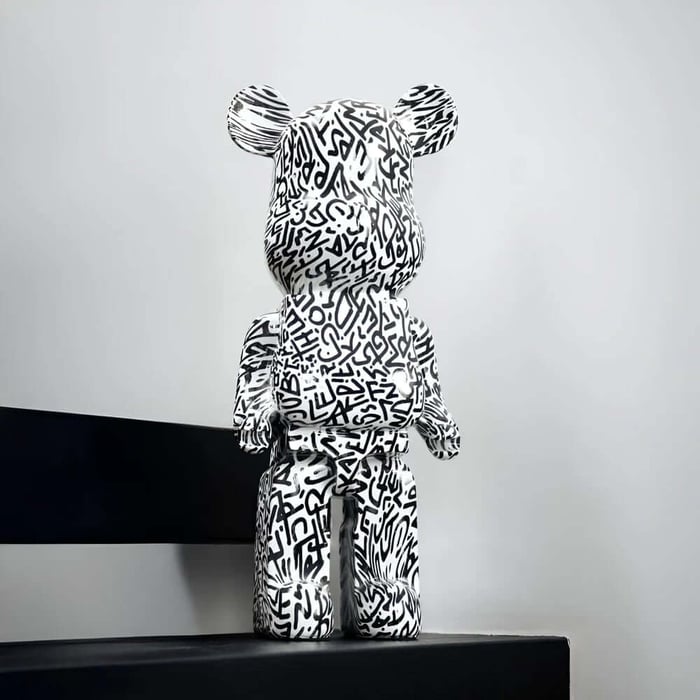
The word “modern” here is less about strict art history and more about the way contemporary homes are put together. Modern spaces tend to be open plan, with neutral walls, large windows, and fewer, larger accessories. Bear sculptures fit neatly into this approach because they read as single, strong forms and behave much like other modern sculptures that are designed to make a statement without adding clutter.
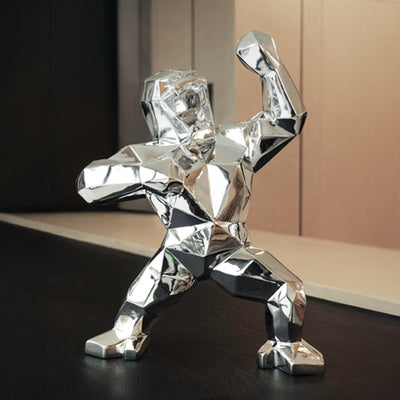
Unlike busy ornaments or tiny figurines, small bears in a modern style are usually reduced to their most essential lines. Surfaces are smooth, muscles are suggested rather than carved in full detail, and the overall outline is bold and graphic. This abstraction nudges the sculpture towards design rather than novelty and helps it sit comfortably alongside streamlined furniture and minimal lighting.
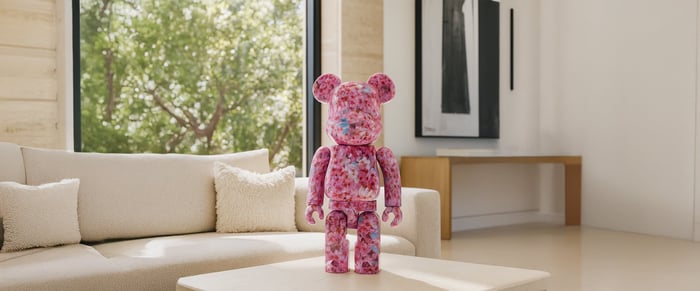
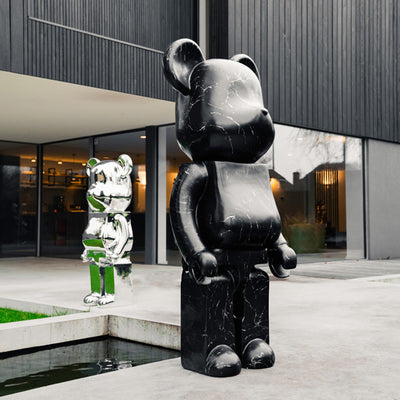
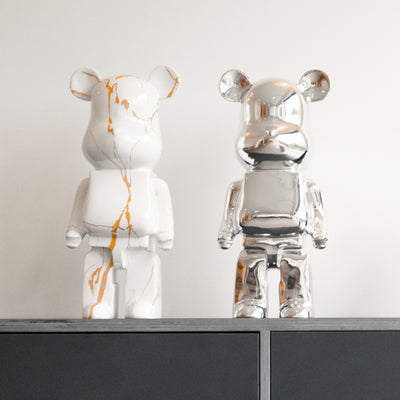
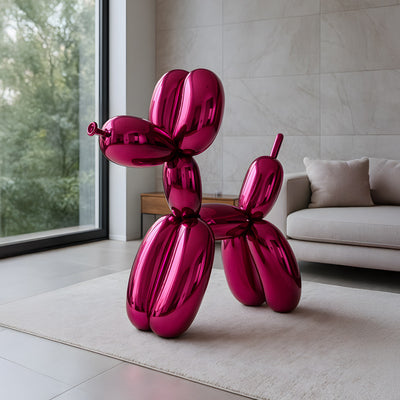
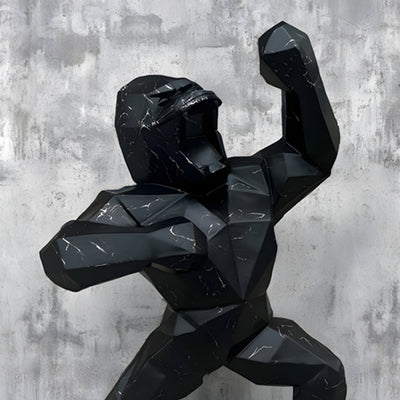
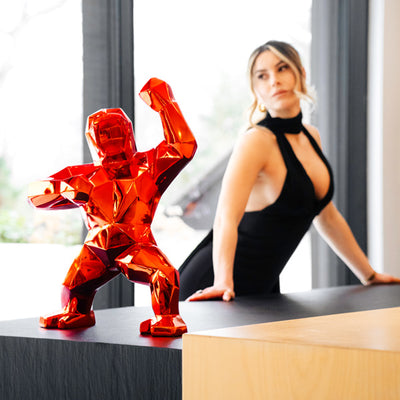
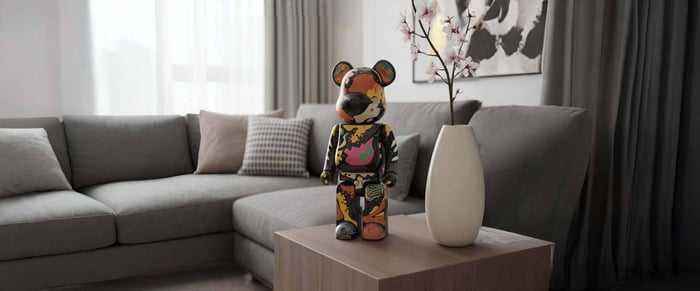
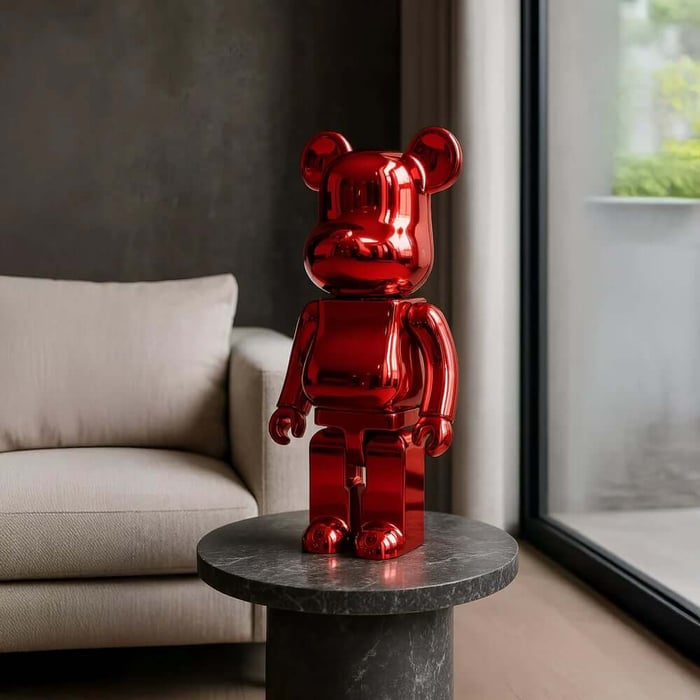
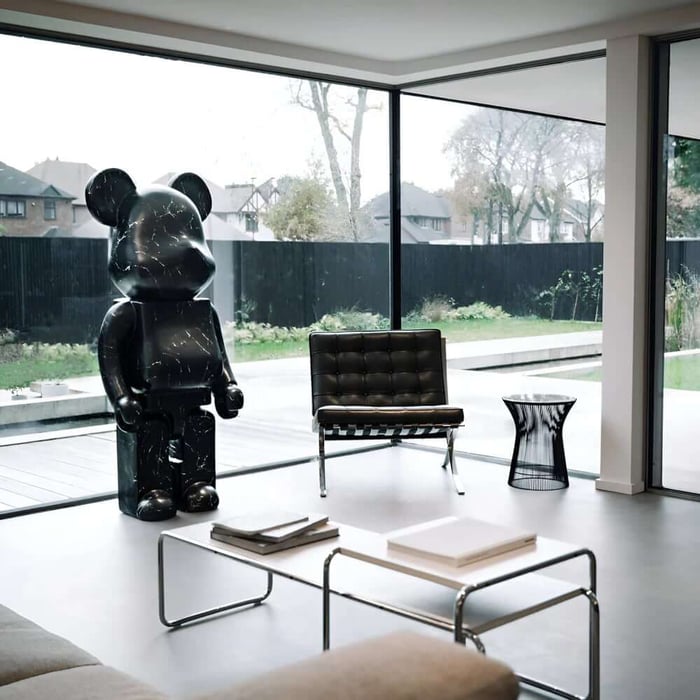
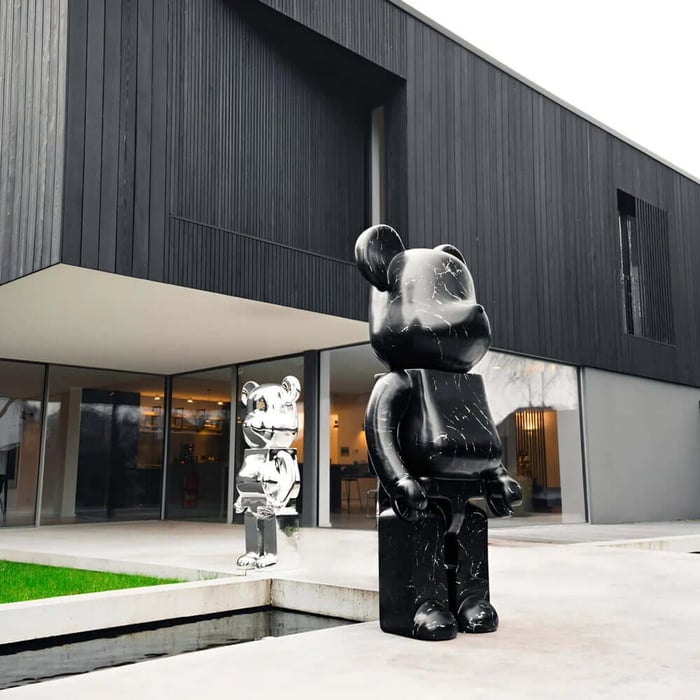
There is also a playful side. Many contemporary pieces are finished in unexpected colours or high gloss lacquer: a polar bear in soft white resin, echoing pale oak floors; a deep black bear in a matte finish, mirroring the silhouette of steel-framed windows; or a bright yellow bear that behaves like a piece of three-dimensional pop art.
Why Bears Work So Well in Interior Design
Even when they are highly stylised, bears are instantly recognisable. That familiarity matters. Decorative objects with clear, readable shapes help a room feel welcoming rather than cold. These sculptures carry layers of association strength, protection, confidence and a hint of quiet humour which makes them ideal for everyday spaces.
Because of that, they work as subtle storytelling tools. In an office reception, a standing bear can suggest stability and resilience without a single slogan on the wall. In a family living room, a softer, rounded bear can hint at warmth and togetherness. In a bedroom or reading nook, a small resting bear can create a sense of calm, almost like a guardian watching over the space.
From a visual point of view, bear sculptures balance softness and mass. Most bears are rendered with rounded backs and smooth curves, which stops them from feeling aggressive. At the same time, the body of the bear has weight and volume, so it anchors the eye in a way that a slim vase or picture frame never quite can.
Materials and Finishes in Contemporary Bear Sculptures
Walk through design shops or browse catalogues, and you will see bear sculptures in all sorts of materials. Each one gives the sculpture a different character, which makes it easier to match the piece to the mood of a particular room.
Here is how the main materials tend to behave.
Resin and fibreglass
Relatively light and easy to move
Durable enough for everyday use
Capable of very fine detail
Can mimic stone, metal or ceramic
These pieces are ideal for modern flats where weight and practicality matter, and they are a simple way to introduce bear sculptures and other resin sculptures into different interior styles.
Bronze
Feels traditional and luxurious
Rich, warm tones that work with many colour schemes
Satisfying weight in the hand
Develops a natural patina over time
A bronze bear sits well in formal living rooms, studies and hotel lobbies, especially when it is placed on a sideboard or dedicated plinth.
Wood
Adds texture and warmth
Brings a clear connection to nature
Hand-carved pieces often show visible tool marks, adding character
Wooden bear sculptures can soften sleek, minimal interiors. Set one near a stone fireplace or alongside woven textiles, and the whole arrangement starts to feel grounded rather than stark.
Stone, concrete, and ceramic
Stone and concrete feel architectural and permanent
A pale stone bear on a terrace or at the end of a corridor can seem like part of the building
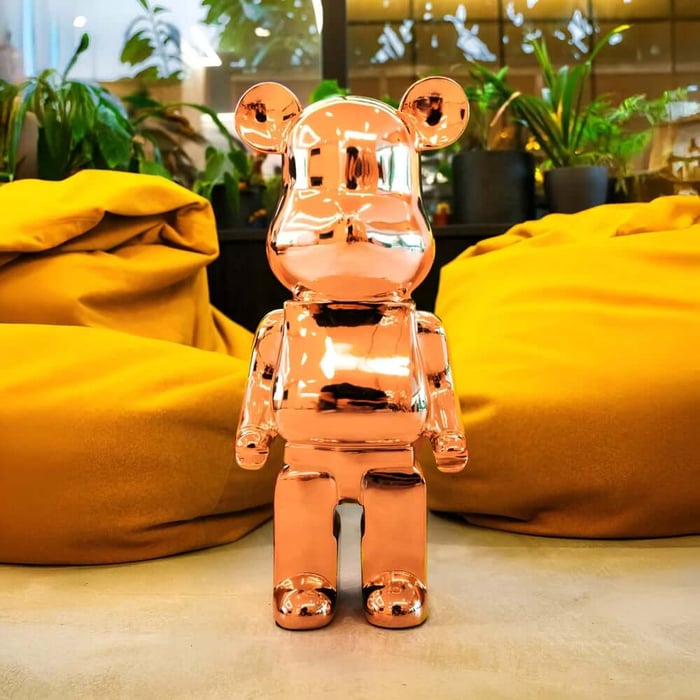
Glossy ceramic bears catch the light, and echo glazed pottery or polished metal
Stone and concrete work well for more structural statements, while ceramic bears are perfect for shelves and sideboards where a bit of shine is welcome.
How Designers Use Bear Sculptures in Real Spaces
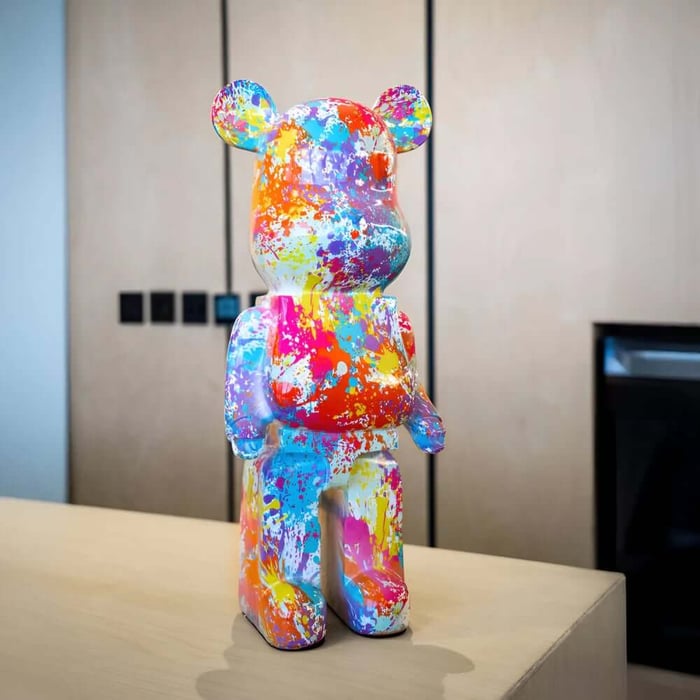
Look closely at interior photographs, and you will often see bear sculptures performing quiet but important jobs. Designers use them to create focal points, anchor awkward corners and mark transitions between different zones in open-plan rooms.
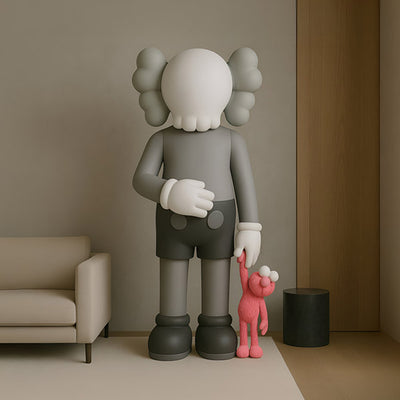
In open-plan living spaces, a single bear can act as a visual hinge between different areas. A tall piece placed near the edge of a dining area can mark the shift into a sitting area without any need for a dividing wall. A sculpture at the end of a kitchen island can gently guide the eye towards the lounge.
In smaller rooms, medium bears on a console table can create a focal point opposite the doorway, drawing the eye into the space. The same principle works on bedroom chests of drawers and home-office side cabinets, where wall space for art might be limited.
In commercial settings, the effect is even clearer. A carefully lit bear in a reception area becomes a memorable landmark for visitors. In a restaurant or bar, a bear in a niche turns an otherwise plain wall into a talking point. Because the figure is easy to recognise even in silhouette, it still reads well in low light or from a distance.
Choosing the Right Bear for Your Home
Selecting bear sculptures for your own rooms is less about strict rules and more about a few simple principles.
First, think about size. Measure the surface or floor area where the sculpture will stand and picture how much room it should occupy. As a rough guide, a piece that fills around one third to one half of that width tends to look intentional rather than lost or overpowering.
Quick sizing tip
If your console table is 120 cm wide, aim for a bear sculpture that is roughly 40–60 cm wide or tall. Anything much smaller will look like clutter, and anything much larger can dominate the furniture.
When you are judging scale, it can help to:
place a cardboard cut-out in the intended spot
stack books or boxes to mark the height
step back and view the arrangement from the doorway
Next, consider mood and pose. A walking bear adds gentle movement, a standing bear feels more assertive, and a curled or seated bear reads as relaxed and calm. Match the pose to the function of the room: livelier shapes in social areas such as living rooms and kitchens, quieter poses in bedrooms, studies, and reading corners.
Common mistake to avoid
Do not choose a bear sculpture just because it looks good in a product photo. Always imagine it in your room from the doorway or sofa; if it only works from one angle, it will start to feel awkward.
Colour and material come last, once size and pose are clear. Light stone, white ceramic and soft wood blend into pale, airy interiors. Black, bronze, and deep-coloured resin hold their own in darker or more dramatic schemes. Bright, glossy finishes work best when you want a single strong accent rather than a whole herd.
You might also think about repetition. A single sculpture from a collection often labelled as large bears can be the star of the show, but a small family of bears in different sizes on a shelf introduces rhythm and a gentle story.
Caring for Bear Sculptures
Most bear sculptures are straightforward to look after, and basic care keeps them looking like part of the design rather than afterthoughts.
For indoor pieces, dust them regularly with a soft cloth. Use a slightly damp cloth with mild soap for sticky marks, then dry the surface thoroughly. Avoid abrasive pads and harsh cleaners, as they can scratch or dull polished metals, ceramic glazes, and painted resin.
Pieces on balconies, terraces, or in covered outdoor spaces may need a little extra attention. Now and again, rinse off dust and pollen with clean water and check for hairline cracks or chips in painted finishes. Wooden and stone bears may benefit from occasional re-oiling or re-sealing, along with a gentle brush to remove algae or moss.
Spending a small amount of time on maintenance helps bear sculptures stay sharp and expressive for years.
Conclusion: The Lasting Appeal of Bear Sculptures
Bear Sculptures have earned their place in modern interiors because they do several jobs at once. They sit comfortably in contemporary spaces with clean lines and calm colours, yet bring warmth, personality, and quiet symbolism. The right bear can make a hallway more welcoming, soften a sleek living room, or turn a simple garden corner into a focal point.
Different materials let you tune the mood, whether that is crisp resin, luxurious bronze, tactile wood, or solid stone. Designers rely on these pieces to create focal points, anchor open-plan layouts, and add character to both homes and commercial spaces. When you choose a bear, thinking about size, pose, colour, and placement helps it feel like a natural part of the room rather than an afterthought. A little routine care then keeps everything looking fresh for years.
If you want a piece that feels sculptural, welcoming, and quietly expressive, this is a category worth exploring. Take a look at the full range of bear sculptures, imagine how each one might change your favourite room, and choose the piece that tells your story best. When you are ready to bring that story to life, explore the collection.
FAQs
What size Bear Sculpture should I choose for my room?
For a console table or sideboard, a sculpture that fills about one third to one half of the surface width usually looks balanced. In smaller rooms, go for a compact piece that you can take in at a glance from the doorway. Larger, floor-standing bears work best in open-plan areas, wide hallways or rooms with higher ceilings.
Are these Bear Sculptures suitable for both modern and traditional interiors?
Yes. Clean-lined resin or metal pieces sit perfectly in modern, minimalist spaces, while wooden or bronze Bear Sculptures blend well with more classic or cosy interiors. The key is to match the material and colour to your existing furniture and finishes rather than forcing a contrast.
Can I place my Bear Sculpture outside, or is it just for indoors?
Some Bear Sculptures are indoor-only, while others are made from weather-resistant materials such as sealed resin, stone or treated wood. Always check the product details: if it’s rated for outdoor use, it will usually say so clearly. For balconies and covered terraces, many indoor pieces are fine as long as they are kept out of heavy rain and standing water.
How do I look after a Bear Sculpture so it stays in good condition?
Most pieces just need gentle dusting with a soft cloth and the occasional wipe with a slightly damp cloth and mild soap. Avoid harsh chemicals or abrasive pads as they can mark the finish. If you have a wooden or stone sculpture, a light re-oiling or re-sealing from time to time will help it stay looking fresh.
How do I know if a Bear Sculpture will fit the style of my home?
Start by thinking about the mood of the room: calm and neutral, bold and dramatic, or warm and rustic. Choose a bear that reflects that mood in its pose (standing, walking, resting) and material (resin, bronze, wood, stone). If you can imagine it sitting comfortably next to your favourite piece of furniture, it will almost certainly feel at home.