






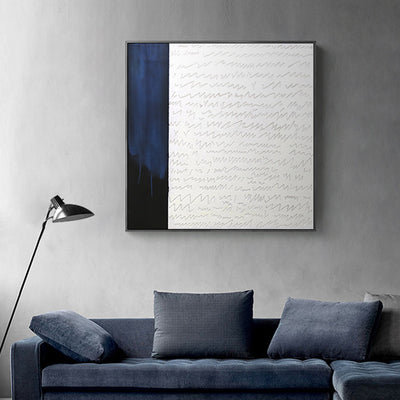
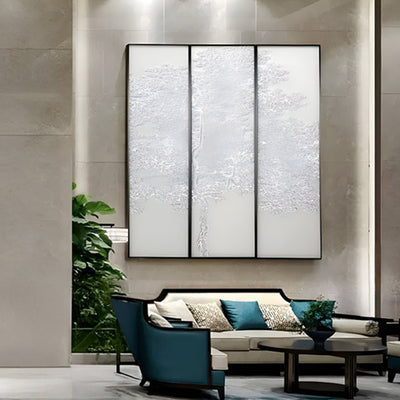
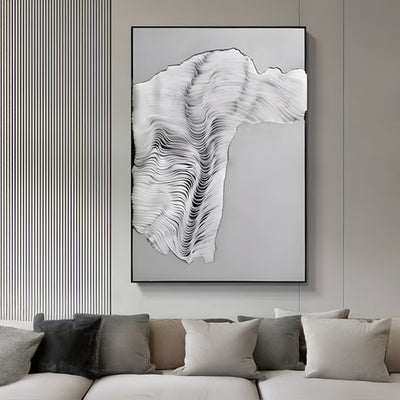
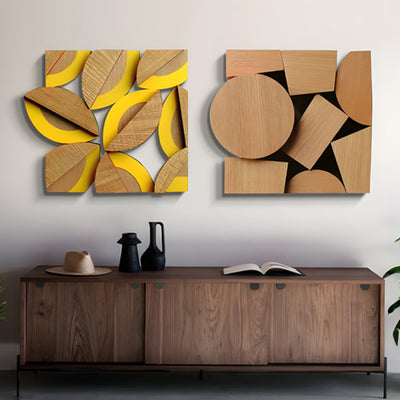





Table of Contents
- What Makes Iron Art Look Expensive (From a Designer’s Perspective)
- Designer-Approved Iron Art Ideas by Style
- Room-by-Room Iron Art Ideas Designers Actually Use
- Expert Tricks to Make Iron Art Look More Expensive
- Choosing the Right Iron Art: Size, Scale & Colour
- How Designers Install Iron Art Safely and Cleanly
- Conclusion: Turn Designer Secrets into Walls You Love
- FAQs
Iron art is one of those “designer secrets” that instantly makes a room feel richer without changing the furniture, flooring, or paint. Where basic wall décor sits flat, this kind of wall sculpture adds depth, shadow, and structure, behaving more like architecture than simple decoration. It pulls the eye upward and outward, making walls feel taller and spaces appear larger, while its metal surface catches light and casts subtle shadows that bring movement and life to the wall.
Because of its visual weight and presence, this medium adds a sense of permanence you just don’t get from prints or canvases. That’s why designers quietly rely on iron wall decor when they want a room to feel custom-built and intentionally styled, even if the surrounding elements the walls, floors, and ceilings are quite simple.
What Makes Iron Art Look Expensive (From a Designer’s Perspective)
Not all décor reads as “high-end,” even when it’s costly. This material has a few natural advantages that make it look luxurious in almost any home.
Depth and Shadow Play
Flat art - flat effect.
Metal wall sculpture- dimensional effect.
Because iron projects off the wall it:
Creates layers of shadow throughout the day as light changes
Breaks up large blank surfaces with texture and relief
Mimics the feel of architectural details (like moldings, screens, or grilles)
This depth is something cheap mass-produced wall prints simply can’t copy.
Material Weight and Presence
Even when a piece is lightweight to hang, iron reads as substantial:
It visually feels solid and durable
It signals craftsmanship and construction, not just surface decoration
It pairs naturally with other “expensive-feeling” materials like wood, stone, marble, and leather
Designers use this to their advantage in newer builds or plain white boxes these pieces add the gravitas those spaces often lack.
How Iron Picks Up Light
Iron has a subtle way of interacting with light:
Matte black and dark patinas create silhouettes and dramatic outlines
Brushed, antiqued, or bronzed finishes add soft gleam without glare
The curves, cutouts, and layers in each piece cast interesting patterns on the wall
This is why designers often add a simple spotlight or wall sconce near the artwork just a bit of lighting can make it look twice as elegant.
Filling Awkward Spaces and “Dead Zones”
Every home has them:
Tall narrow walls by staircases
Weird nooks next to doors
Blank stretches of hallway
Standard frames and canvases rarely fit perfectly. Metal wall décor, especially in panel or vertical formats, is a go-to designer solution because it can be scaled tall, slim, or wide without looking forced.

Designer-Approved Iron Art Ideas by Style
These artworks fit into almost any interior style; they just need the right design language. Here’s how designers adapt them.
Rustic Iron Art The Warmth Trick
Rustic pieces instantly soften spaces that feel too new or sterile.
Look for:
Scroll work and organic curves
Hammered, distressed, or matte finishes
Motifs inspired by nature (vines, leaves, branches, floral)
Designer secret:
In modern new builds with flat white walls and smooth surfaces, designers introduce rustic iron art to bring in warmth and character. A slightly weathered iron piece above a console or in an entryway can make a new home feel “lived-in” and welcoming, without any structural changes.
Modern Iron Art The Minimalist Luxe Secret
For contemporary or minimalist homes, this style doesn’t need to be ornate.
Look for:
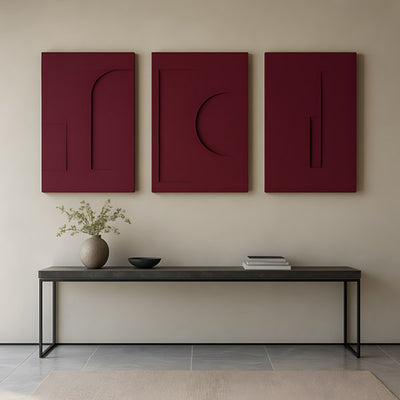
Clean geometry (lines, grids, circles, asymmetrical shapes, and geometric art patterns)
Laser-cut panels with negative space
Simple, bold silhouettes in black, charcoal, or muted metallics
Designer secret:
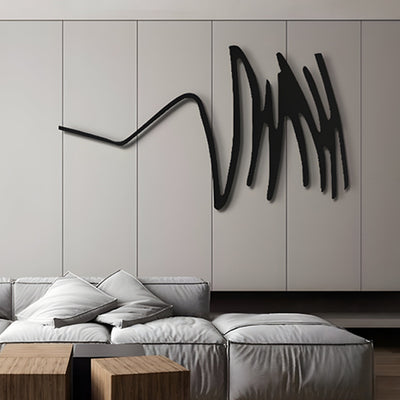
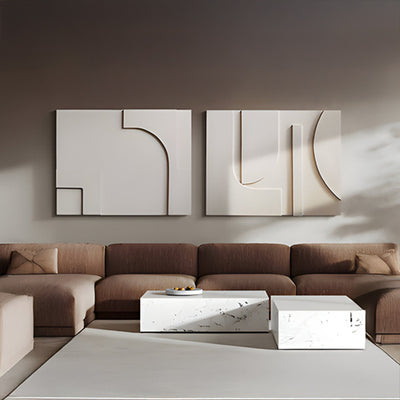
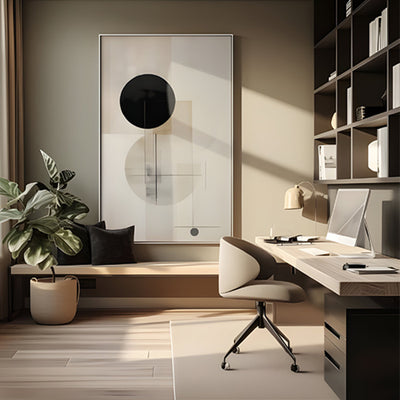
Modern iron art works like a visual anchor. A sleek iron panel behind a sofa or sideboard makes a minimal space feel intentional, not empty. It says, “This blank wall is a choice, not an oversight,” which is the key to minimalist luxury.
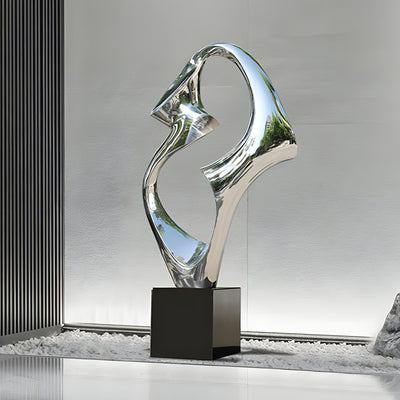
Sculptural Iron Art: The High-End Focal Point Hack
Sculptural metal work is where things get truly luxury-level.
Think:
3D compositions that stand off the wall, similar to 3D art installations
Layered elements that create depth and movement
Fluid, abstract shapes reminiscent of abstract art, or dramatic statement motifs
Designer secret:
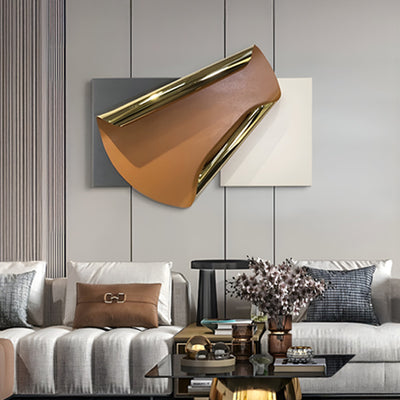
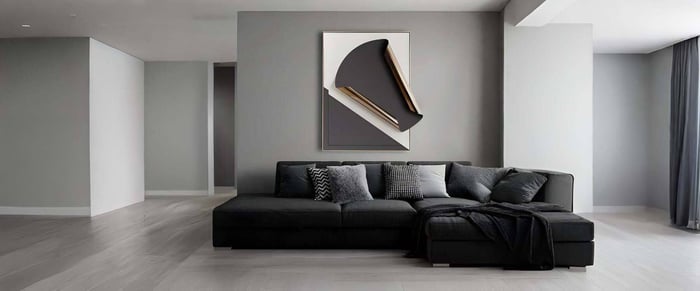
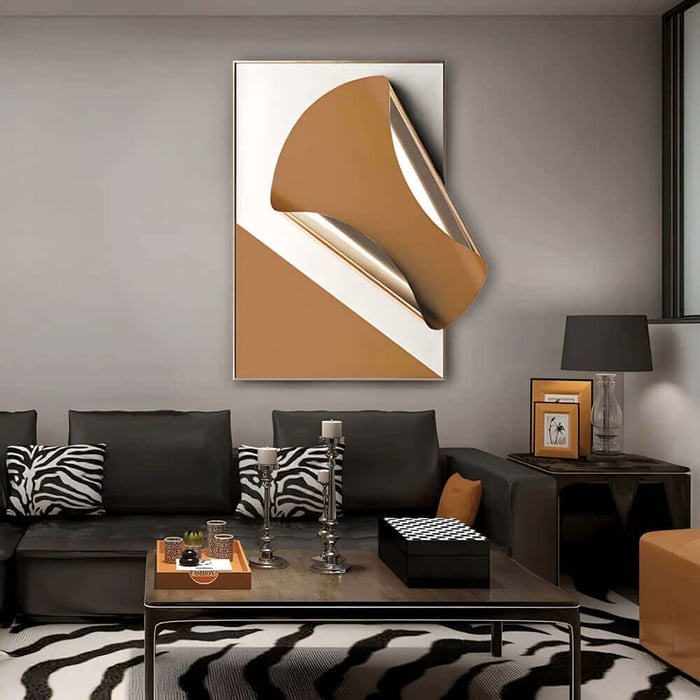
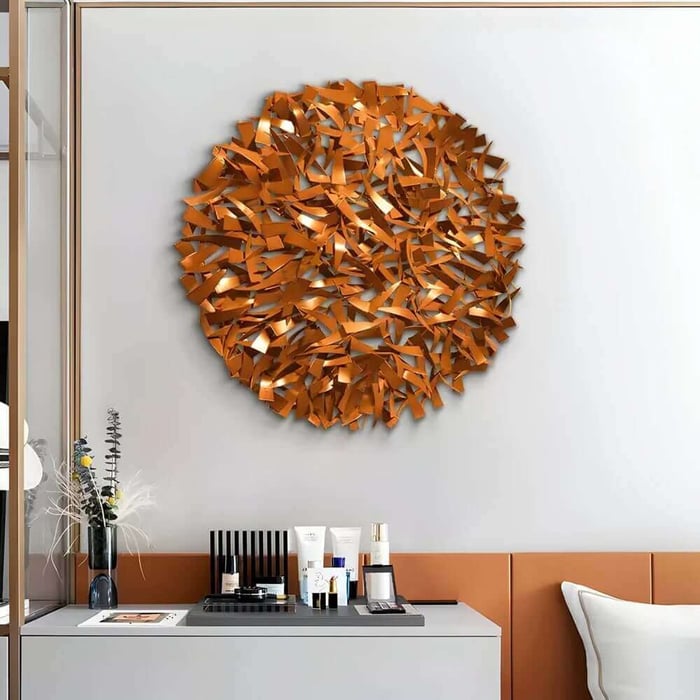
One sculptural iron piece can replace an entire gallery wall. Instead of hanging 8-10 frames, designers often choose one strong, sculptural artwork to create a focal point. It looks curated and confident, and it’s much easier to style around.
Room-by-Room Iron Art Ideas Designers Actually Use
Here’s how designers strategically place iron art in different rooms, plus the little “rules” they rarely mention.
Living Room
The living room is usually where the biggest iron art statements go.
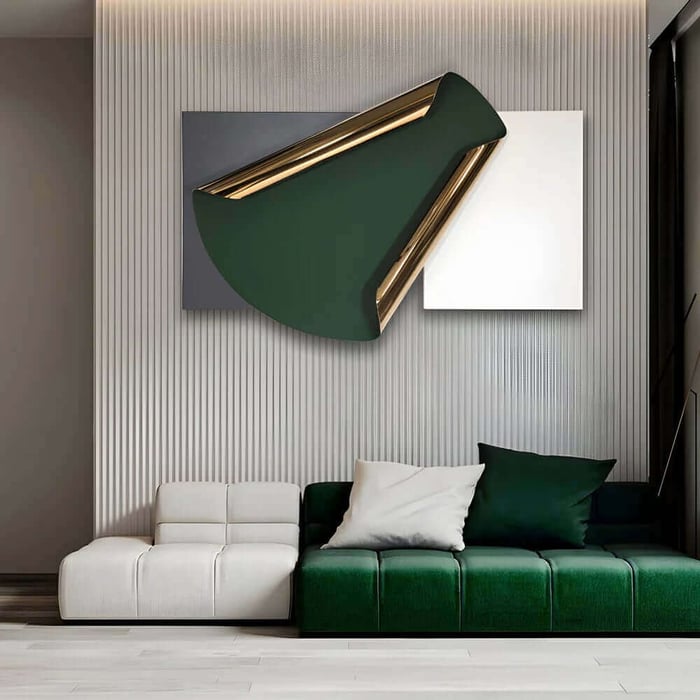
Above the sofa: the two-thirds rule
Designers often choose art that’s about two-thirds of the sofa’s width. This keeps the proportions balanced:
Too small: the wall feels empty and cheap
Too big: the piece overwhelms the seating area
Off-centre placement for interest
Instead of centering everything perfectly, designers sometimes:
Place sculptural iron art slightly off-centre
Balance it with a floor lamp, side table, or plant on the opposite side
This asymmetry feels more natural and less “catalogue.”
Mixing materials without clutter
To keep things elevated:
Pair iron art with wood, linen, stone, or glass, not just more metal
Limit the number of different metal finishes in one view (more on this later)
Use iron as the hero, and keep the surrounding décor simpler
Bedroom
Bedrooms call for wall décor that feels calm, not noisy.
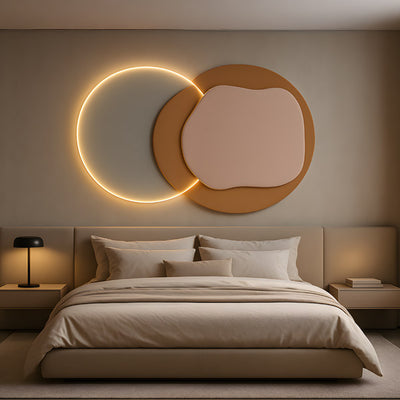
Iron as a headboard alternative
A large iron panel or set of panels above the bed:
Mimics the effect of a headboard
Adds architectural interest without bulk
Works well in smaller rooms where traditional headboards feel heavy
Vertical panels to elongate the room
If the room feels short or boxy, designers love:
Slim vertical iron panels flanking the bed or dresser
Narrow iron pieces on either side of a window
These draw the eye up, making the room feel taller.
Designer trick: softer shapes
In bedrooms, designers lean toward curves, loops, and organic forms in these designs rather than harsh angles. This keeps the energy soothing and restful.
Hallways & Staircases
These forgotten areas are where this kind of artwork can do serious magic.
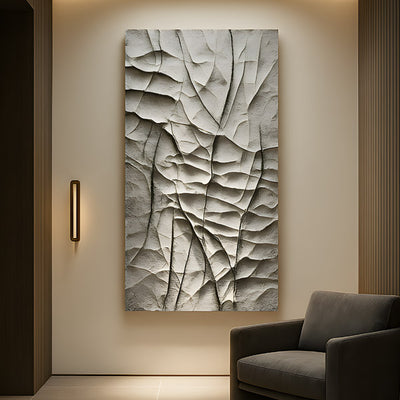
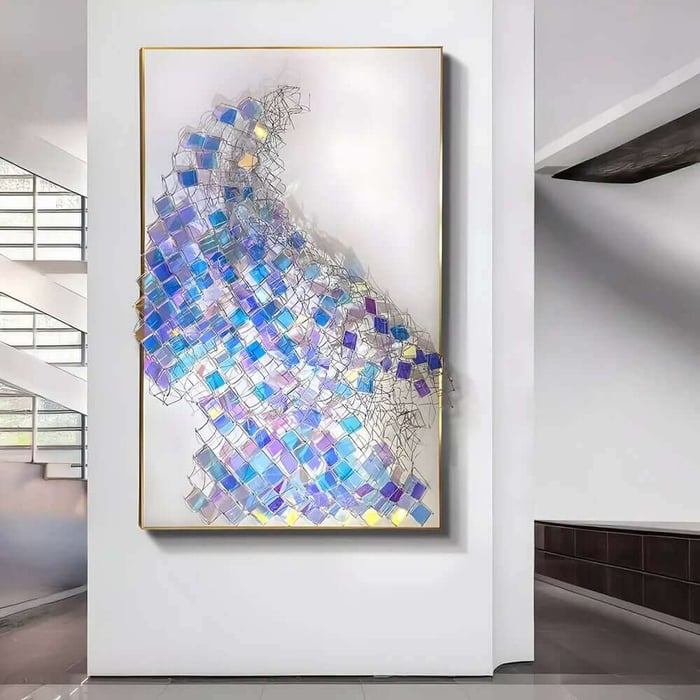
Tall, narrow pieces for height
In stairwells and narrow corridors, designers choose:
Vertical iron panels
Stacked compositions of smaller iron pieces
They emphasize height and guide you through the space.
Statement art at turning points
At the bend in a staircase or the end of a hallway, a striking iron piece:
Acts like a visual “stop” that rewards the eye
Makes transitional spaces feel intentional, not leftover
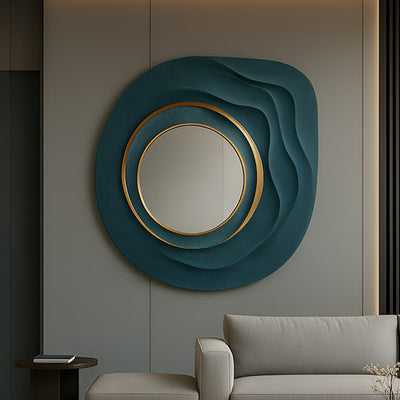
Iron-framed mirrors to widen tight spaces
Mirrors framed in iron are a designer favourite because they:
Bounce light around
Make narrow hallways feel wider
Tie in with other iron elements (railings, handles, lighting)
Outdoor Walls & Patios
Iron art isn’t just for indoors.
Weather-resistant pieces
Outdoors, designers look for:
Powder-coated or treated iron to reduce rust
Simple, bold designs that read clearly from a distance
Backdrop for greenery
Iron panels behind plants, creepers, or vertical gardens:
Add structure to loose foliage
Create a beautiful contrast between hard metal and soft leaves
The “patio room” approach
Designers treat patios like outdoor rooms:
Iron art becomes the “feature wall.”
The same styling rules apply as indoors, scale, balance, and focal point.
Expert Tricks to Make Iron Art Look More Expensive
These are the little cheats designers use to make these pieces look high-end, even on a moderate budget.
Go Bigger Than Feels Comfortable
Most people buy art that’s too small. Designers do the opposite.
If you’re unsure between two sizes, go up one size
Large-scale iron pieces read as custom and premium.
Small pieces can be grouped, but one strong, large piece often looks more luxurious
Use Contrast Intentionally
Contrast is what makes this style pop:
Dark iron on light or mid-tone walls adds drama and definition
Lighter or metallic iron on dark walls glows and sophistication
Designers rarely match the metal to the wall colour; they let it stand out.
Match Metal Finishes Thoughtfully
You don’t have to match every metal in the room, but you should be deliberate:
Repeat the iron’s finish in at least two other elements (e.g., lamp base, cabinet pulls, stair railings)
Avoid mixing too many different metal tones in one small area
This repetition makes the room feel cohesive and exclusive.
Hang at Designer Height
Standard “picture height” (centre at eye level) doesn’t always work for iron art.
Designers often hang pieces:
Slightly higher above sofas and consoles than a framed print
Aligned with architectural lines door tops, window frames, or ceiling beams
The goal is to make the piece feel integrated with the architecture, not just floating randomly.
Use Lighting to Emphasize Shadows
Lighting is a major part of the designer toolkit:
Add a wall sconce or directional lamp nearby
Angle light so that it throws interesting shadows and highlights the texture
Use warm bulbs for rustic pieces, neutral for modern ones
With the right light, even a simple iron piece can look gallery-worthy.
Cluster Instead of Scattering
Instead of scattering small pieces around:
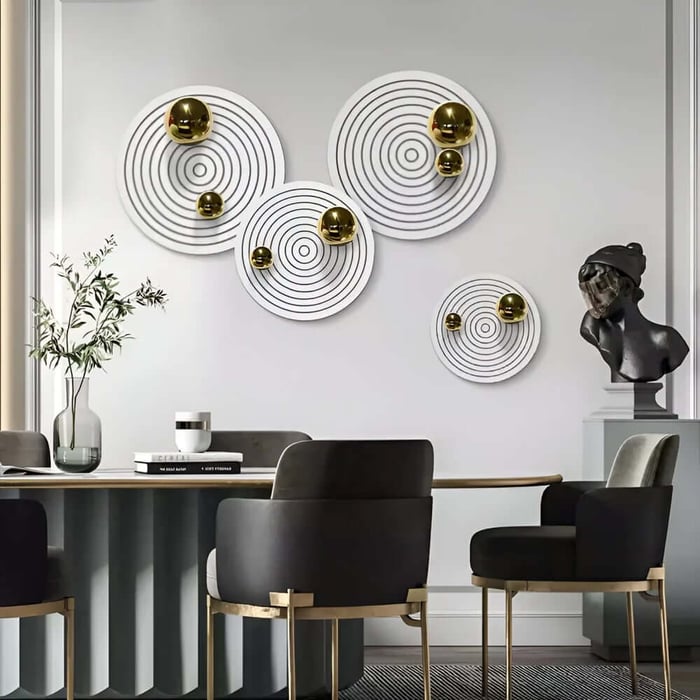
Group them in one area as a cluster or composition
Combine different shapes and sizes, but keep a consistent finish
Designers know: one strong story on a wall always looks better than a dozen small, random accents.
Choosing the Right Iron Art: Size, Scale & Colour
A big part of making this type of décor look luxurious is getting the proportions and finishes right.
How Designers Calculate Ideal Width
A simple guideline:
For art above furniture (sofas, consoles, beds), aim for 60-75% of the furniture’s width
For standalone walls, leave at least a hand’s width of space on either side of the piece
This keeps things feeling balanced and intentional.
Why Large Panels Look More Luxurious
One larger iron panel or sculpture:
Feels custom and built for the space
Is easier on the eye than many small pieces
Anchors the room and helps everything else fall into place
Designers often reserve smaller iron pieces for layered vignettes (e.g., on a shelf or mixed into a gallery wall), not as the main focal point.
Choosing the Right Finish for Each Room
Some quick rules:
Living rooms: Black, charcoal, or deep bronze for drama and versatility
Bedrooms: Softer blacks, antique golds, or muted metallics for a calmer mood
Hallways & stairs: Bold black or dark finishes to create clear silhouettes
Outdoor areas: Finishes designed for exterior use; dark tones work well against greenery and stone
Avoiding the “Too Tiny” Mistake
If you’re wondering whether a piece is too small, it probably is. Signs:
The wall still feels empty
The piece only fills the middle of the wall with lots of blank space around it
It gets visually “lost” near windows, doors, or large furniture
Designers would either size up or build a cluster of pieces to achieve the right impact.
How Designers Install Iron Art Safely and Cleanly
The most beautiful piece will still look cheap if it’s hung poorly or damages the wall.
1. Proper Hanging Methods
Designers (and installers) typically:
Use the correct anchors for the wall type (drywall, masonry, etc.)
Check the weight rating of hooks and hardware
Use two points of support for wider pieces to prevent tilting
If in doubt, get a professional to install larger, heavier works.
2. Avoiding Marks and Rust Transfer
To protect your walls:
Add felt pads or rubber bumpers to the back of the piece where it touches the wall
Ensure the piece is properly treated or sealed, especially in humid or outdoor spaces
Keep an eye on older or rustic pieces that may patina or flake over time
3. Keeping Iron Art Looking Its Best
Simple maintenance goes a long way:
Dust regularly with a soft, dry cloth
Avoid harsh cleaners; most pieces just need light dusting or a gentle wipe
For outdoor iron art, periodically check for rust and touch up with appropriate paint or sealant if needed.
Conclusion: Turn Designer Secrets into Walls You Love
You don’t need a full renovation or built-in architecture to make your home feel high-end. With iron art and a few designer tricks, you can add depth, drama, and structure to plain walls, fill awkward spaces with pieces that actually look intentional, and create bold focal points that make your home feel curated, not cluttered.
Start by choosing one wall, whether it’s in the living room, hallway, bedroom, or patio, and imagine how an iron piece could transform it. Think about scale, contrast, and light, then build the rest of the decor around that focal point. The right iron art doesn’t just decorate your walls; it gives your entire home a more expensive, designed-from-the-ground-up feel, no renovation required.
FAQs
What size iron wall art should I choose for above my sofa or bed?
For art above furniture, aim for 60-75% of the furniture’s width. For example, if your sofa is 200 cm wide, look for iron art roughly 120–150 cm wide so it feels balanced, not too tiny or overpowering.
Is iron wall art heavy, and how do I hang it safely?
Most modern iron wall art is designed to be surprisingly lightweight but still needs proper support. Use wall anchors suited to your wall type (drywall, brick, concrete) and two hanging points for wider pieces to prevent tilting. Follow the included instructions or get a handyman if you’re unsure.
Can I use this iron wall art outdoors or on a patio?
Only if the piece is specifically labeled for outdoor use. Look for powder-coated or treated iron that resists rust. Even then, try to keep it slightly sheltered from constant rain and clean it occasionally to prolong the finish.
How do I clean and maintain iron wall art?
Usually, all you need is a soft, dry cloth to remove dust. Avoid harsh chemicals and abrasive scrubbers. For outdoor pieces, check occasionally for small rust spots and touch up with suitable metal paint or sealant if needed.