






















































Table of Contents
- Defining Architecture Art: On Your Wall
- How Architecture Art Evolved Through History
- What Gives Architecture Art Its Masterpiece Quality
- Sculptural Architecture Art and the Power of Form
- When Art and Architecture Are Designed as One
- How to See Architecture Art Like a Designer
- Conclusion: Why Architecture Art Matters
- FAQs
Architecture art is what happens when architecture stops living only in the streets and starts living on your walls. It’s the point where a painting, print, or mural doesn’t just show a building, but carries the same kind of intention a great building has: structure, rhythm, atmosphere, and meaning. Some pieces simply decorate a room. Others make you pause without meaning to. You look up, slow down, and get that quiet certainty that you’re in front of something special. That reaction isn’t luck; it comes from deliberate artistic design, care, and a sense of spatial storytelling.
In this article, we’ll unpack what makes architecture art feel like a masterpiece as wall art and painting. We’ll explore the ideas behind architectural art as a visual genre, trace how history has shaped it, look at the choices artists make to create it, and give you simple ways to recognise it when you see it. The goal isn’t to pin it down to one strict definition, but to sharpen the way you notice artworks as spaces that can hold meaning, beauty, and emotion.
Defining Architecture Art: On Your Wall
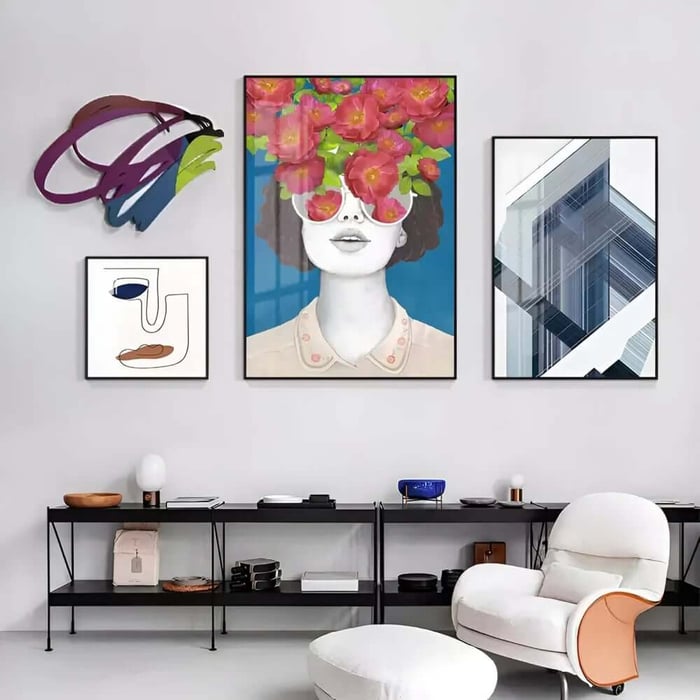
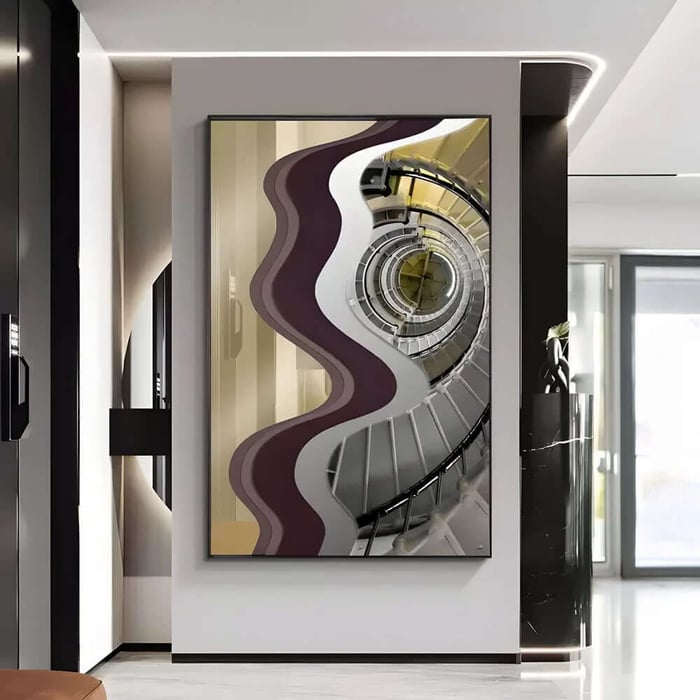
At its simplest, architecture-inspired wall art is artwork that takes the visual language of architecture lines, structures, spaces, and surfaces and turns it into something you can live with on your walls. Instead of explaining real buildings, it uses architectural elements as creative material. The piece might hint at facades, interiors, stairways, arches, or city geometry, but its real goal is to create a mood, a sense of order, or a story through design.
There are a few common ways this shows up:
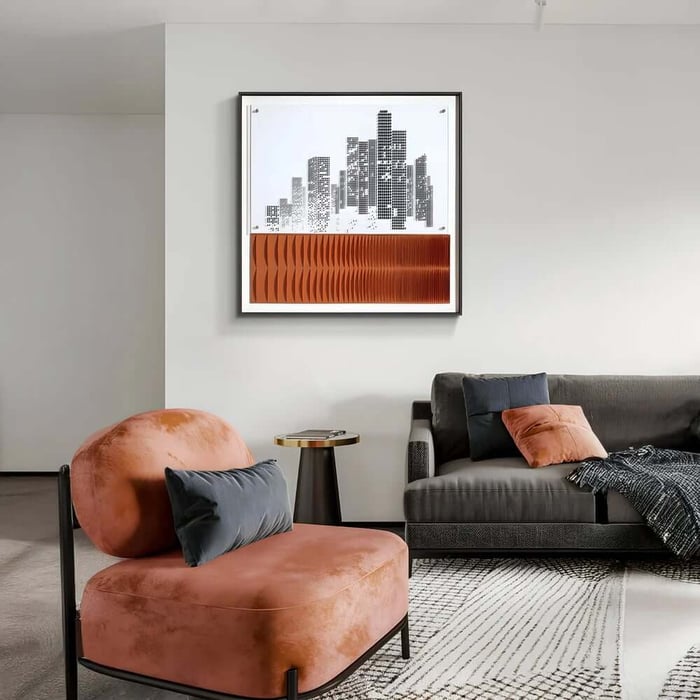
Architecture as visual subject: the artwork focuses on architectural shapes and details as the main aesthetic. Think arches, windows, corridors, rooftops, skylines, or structural outlines drawn, painted, or abstracted so the form itself becomes the beauty.
Architecture as design language: rather than showing a specific place, the art borrows architectural principles like symmetry, grids, repetition, balance, and scale. These pieces often feel clean, modern, and intentional, even when they’re abstract.
Atmosphere and spatial feeling: colour, light, shadow, depth, and texture are used to make the artwork feel like a space you could step into emotionally. A soft, sunlit hallway painting can feel calm; a sharp, layered city composition can feel energetic or dramatic.
Meaning through place: architecture-inspired art often treats spaces as symbols of memory, identity, culture, or movement. The image isn’t just “a building,” it’s a way to express how places shape our lives.
These approaches all fit under architecture-inspired wall art because they treat architecture not as something to describe, but as something to interpret. The aim isn’t to document buildings it’s to use architectural form to create feeling, beauty, and intention in a visual artwork.
How Architecture Art Evolved Through History
The bond between art and architecture is old. Long before modern galleries or “design culture,” artists were translating built environments into visual form.
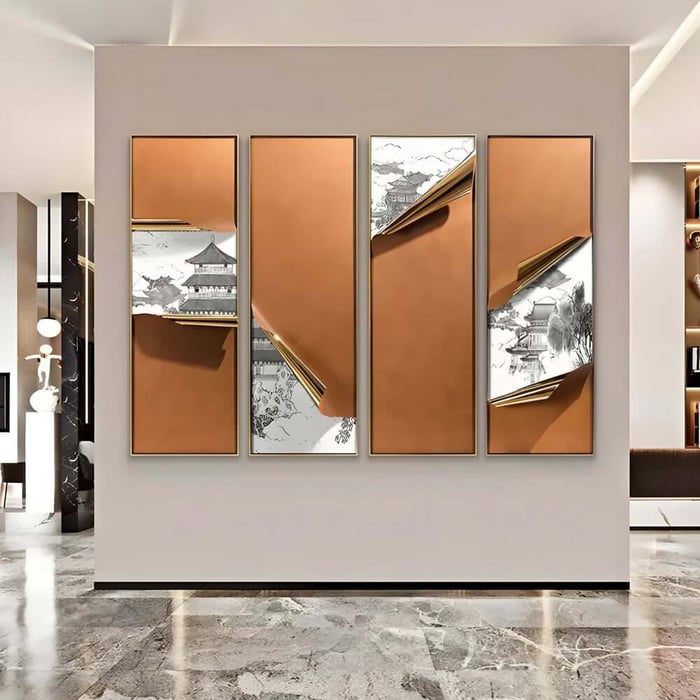
Ancient civilisations filled walls with architectural imagery and spatial storytelling temples, palaces, and cities painted or carved to express power, belief, and cosmology.
Classical and medieval artists treated buildings as symbols of heaven, authority, or order. Architectural backdrops in frescoes and manuscripts weren’t neutral they carried meaning.
Renaissance masters studied perspective and proportion through architectural drawing, turning streets and plazas into lessons in beauty and truth. Many of these studies became artworks themselves.
Modernism and abstraction pushed architecture art away from literal depiction and toward geometry, rhythm, and structural feeling. Buildings became blocks, lines, and planes space reduced to its emotional essence.
Across cultures, you also see quieter traditions that value balance and calm, the same sensibility you find in zen art, showing that architectural beauty can be powerful even when it’s restrained.
Throughout every period, artists have used architecture to express their values, fears, hopes, or identity. When a painting makes a room feel like a place you can enter mentally, that is architecture art at work.
What Gives Architecture Art Its Masterpiece Quality
So what makes architecture art feel like a masterpiece? There’s no single recipe, but great pieces tend to share several qualities.
1. Form That Feels Intentional
Form is the overall shape and presence of what you’re seeing. Masterpiece architecture art has forms that feel chosen rather than accidental: a clean arch repeated with purpose, a skyline simplified into a bold silhouette, or an abstract structure that still feels “built.”
A strong form creates a first impression before you understand the details. You sense character right away: bold, gentle, playful, solemn, mysterious. That immediate visual identity is a hallmark of architectural art.
2. Proportion and Rhythm
Even people with no training respond to proportion. It’s why some paintings feel graceful and others feel awkward. Artists build rhythm through:
Repeated windows or columns
measured spacing
balanced masses
changes in scale that guide the eye
When proportion is handled well, you don’t think about it; you feel it. The artwork seems to “hold together,” like a good piece of music. This quiet harmony is part of what makes architecture art convincing.
3. Materials Used Like a Medium
In ordinary prints, surfaces are flat and purely visual. In architectural art, the material feeling matters too. Artists use paint, paper, or mixed media on architectural surfaces:
thick paint that feels like carved concrete
washes that suggest foggy glass
rough textures that echo stone or plaster
layered marks like weathered walls
A masterpiece uses materials not just to depict space but to express it. In that way, architectural art works like acrylic art: layered, tactile, and capable of shifting mood depending on how you look at it.
4. Light as a Design Tool
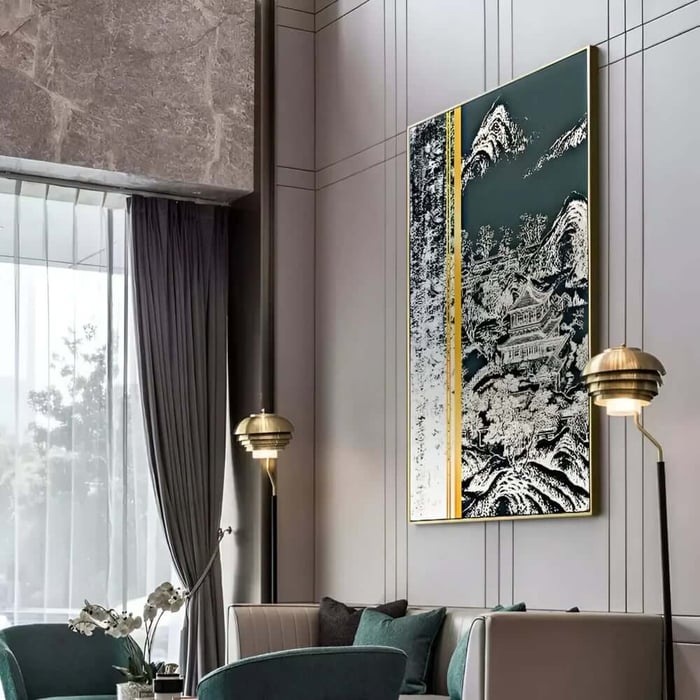
Light changes spaces, and in architectural art, it changes images too. Great pieces choreograph light through contrast, highlights, and shadow direction. A painted beam of light across a floor can make a still image feel alive.
The result might feel peaceful, theatrical, airy, or intimate. When light is treated with care, the artwork becomes a lived space you can step into emotionally.
5. A Relationship With Its Surroundings
Masterpieces don’t ignore where they’re hung. Architectural art interacts with the room the way a building interacts with a street. It can respond in at least one of these ways:
Harmony: matching local colours, textures, or calm, minimal lines
Contrast: standing out as a bold counterpoint in shape or tone
Dialogue: echoing the room’s arches, grids, or verticals and reinforcing its mood
Even the most dramatic artwork works best when it respects what’s around it. Context gives meaning to artistic form.
6. A Story Beneath the Surface
Art is rarely just pretty shapes. It has something to say. Architectural art that feels masterful often carries a clear idea underneath the image:
a cityscape about movement and modern life
a ruined façade about memory and time
an interior space about solitude or reflection
a symbolic house about belonging
You may not be able to name the story at first, but you sense it. The artwork feels about something. That narrative depth is what turns architecture art into a true artistic experience.
Sculptural Architecture Art and the Power of Form
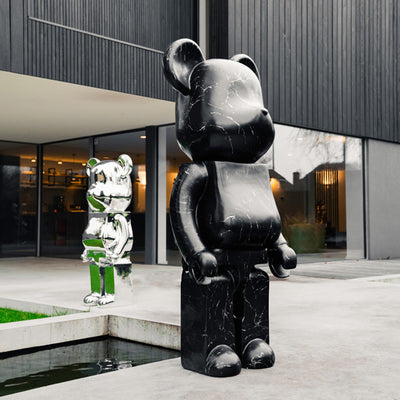
Some of the most striking architecture art behaves like sculpture on a flat surface. The rise of digital tools, collage, and bold abstraction has made this more common.
Artists can bend buildings into impossible curves, stack streets into surreal towers, or reduce entire cities into a few decisive lines. But spectacle alone isn’t enough. When form is used only to shock, it can feel empty.
The best architectural art still ties form back to meaning and mood. Artistry isn’t about making something loud; it’s about making something right.
When Art and Architecture Are Designed as One
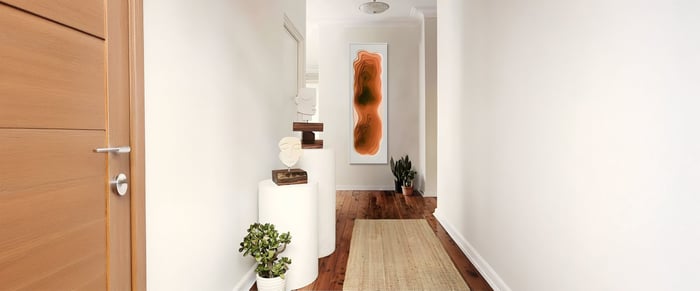
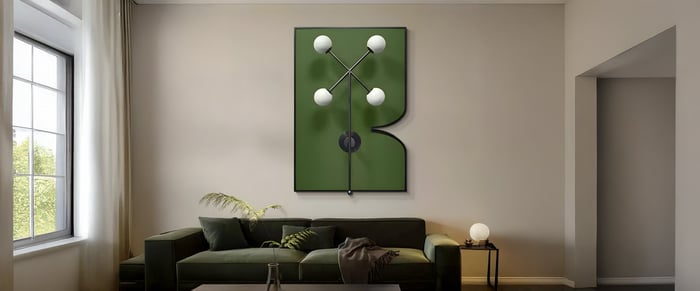
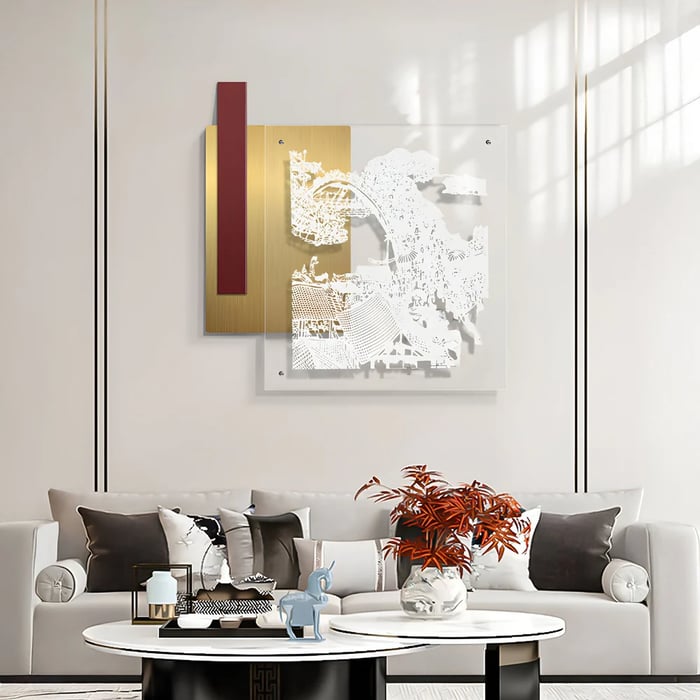
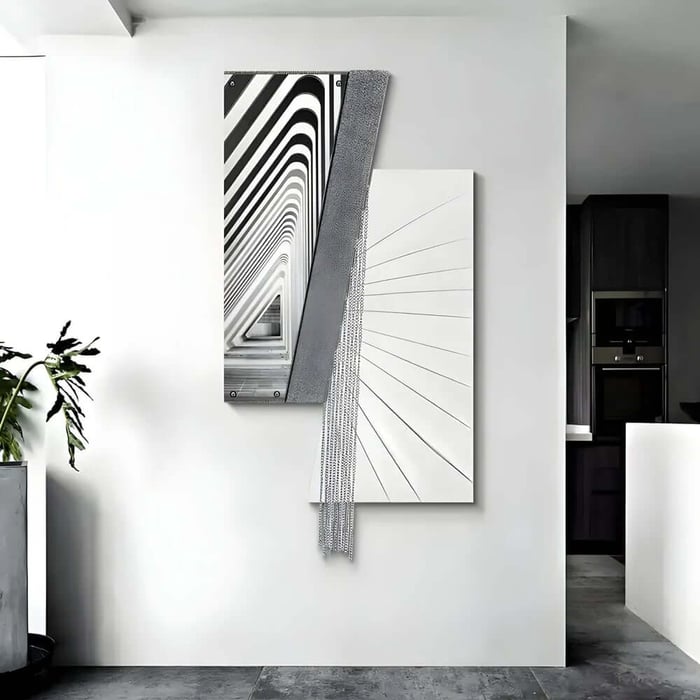
Another route to architecture art is integration. Many wall pieces are designed with architectural thinking from the start, so the artwork isn’t decoration; it is part of the space’s logic.
You see this in:
murals that extend the geometry of the room
panels that echo arches, tiles, or grids
stairwell or hallway art that guides movement
lighting-based artworks that shift with time
This approach is common in homes, hotels, campuses, and workplaces because it makes space feel layered and intentional. The same idea applies when a material with cultural weight, such as leather art in crafted panels or furnishings, is planned as part of the architecture rather than added later.
How to See Architecture Art Like a Designer
You don’t need to be an architect to appreciate architectural art. With a few simple habits, you can start noticing why certain pieces feel like masterpieces instead of just backdrops.
Look at the whole form first. Ask yourself what mood the shape suggests: bold, calm, playful, solemn, and why it stands out.
Notice how your body feels. Great architectural art creates a physical or emotional response, like ease, awe, comfort, or focus, even though it’s a flat artwork.
Watch the light. Pay attention to where brightness gathers, how shadow is used, and how atmosphere is built.
Check the details. Repetition, texture, patterns, and craftsmanship show the care behind the design.
Ask what the artwork is trying to say. A masterpiece usually expresses an idea about place, culture, nature, or human oneness (connection) even if it does so quietly.
Over time, these small observations help you see architectural art as intentional creativity, not just pictures of buildings.
Conclusion: Why Architecture Art Matters
Architecture art reminds us that architecture doesn’t only shape cities it shapes imagination. A masterpiece artwork brings together form, proportion, materials, light, and story in a way that creates meaning. It respects its setting, understands its purpose, and still dares to express something human.
If you want to deepen your appreciation, start paying attention to pieces that make you pause. Take a photo, sketch a detail, look up how the artist built the composition, and why. The more you notice, the richer your daily environment becomes.
And if this topic caught your eye, keep exploring. Browse the other pieces on the blog, share this with a friend who loves design, or drop a comment about a piece of architectural art that feels unforgettable to you. Once you start seeing architecture this way, you’ll never walk through a gallery or a room quite the same again.
FAQs
What is architecture art in wall décor?
Architecture art is wall art or painting that focuses on architectural forms buildings, interiors, or city structures designed to feel artistic, not just descriptive.
What styles of architecture art are most popular?
The most searched styles are cityscape prints, architectural line art, abstract structural paintings, interior-space art (stairs/arches/windows), and textured modern pieces.
How do I choose architecture art that fits my space?
Match the mood and scale: bold city grids for energy, soft arches or interiors for calm, minimal line pieces for clean modern rooms, and large formats for big walls.
What materials are best for architecture art canvas, print, or framed poster?
Canvas adds texture and depth, fine-art prints give sharp detail, and framed posters are affordable and sleek choose based on budget and the finish you want.
How can I tell if architecture art is high quality?
Look for intentional composition, balanced proportions, clear light/shadow control, strong texture or detail, and a design that feels meaningful not random or generic.