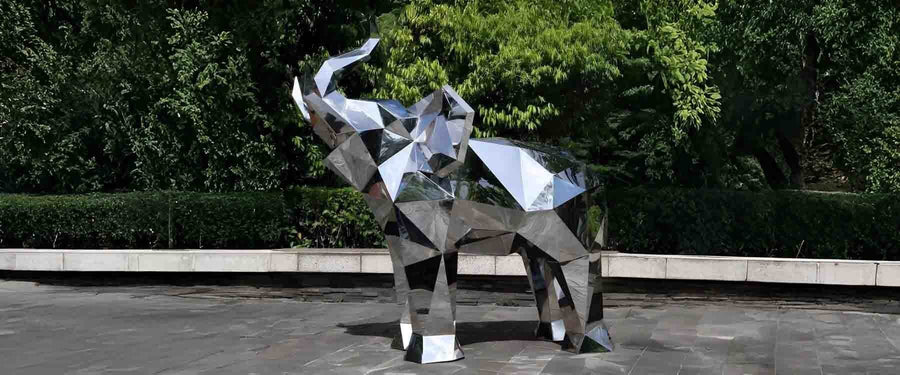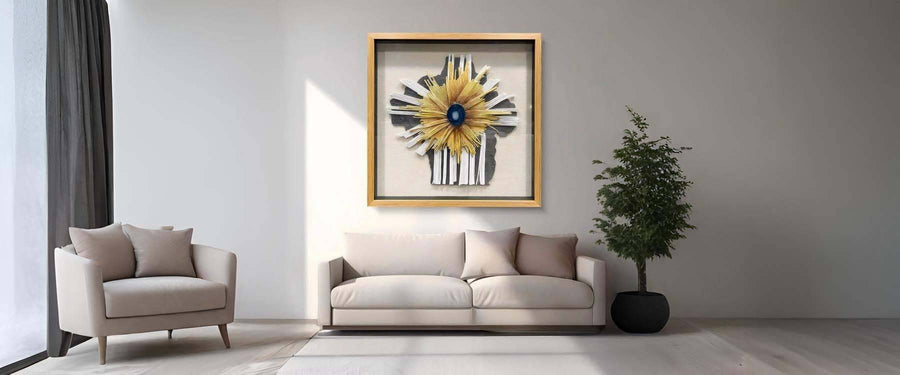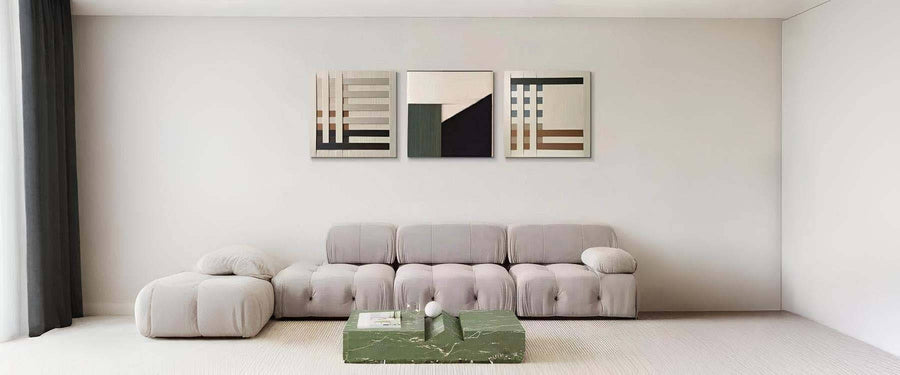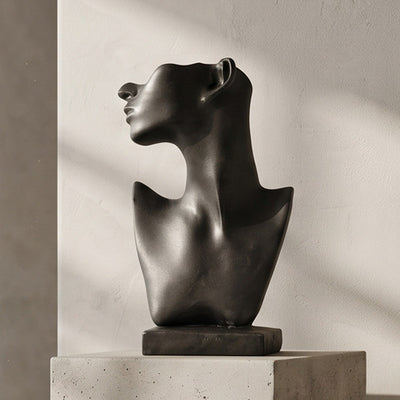






















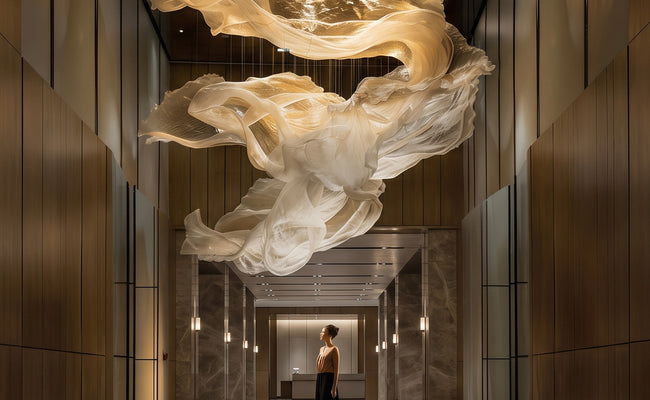
























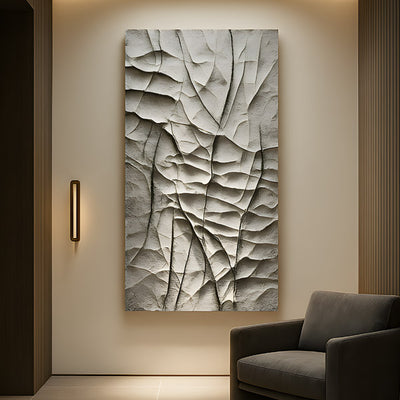
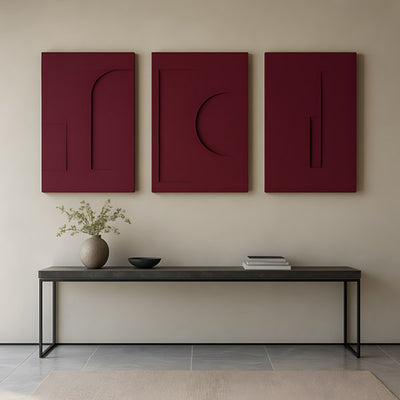

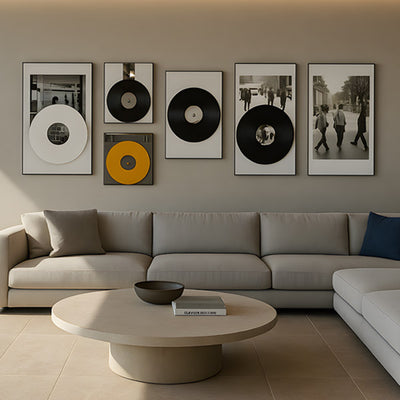
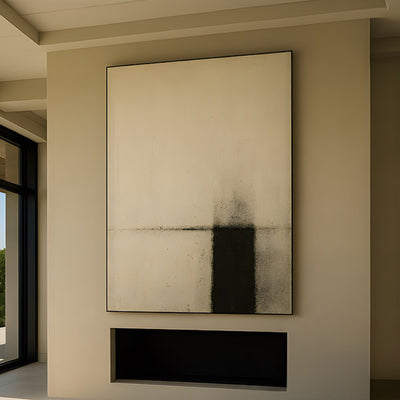





























When a team feels stuck, it’s rarely because people have nothing to contribute. More often, the room itself encourages “safe thinking”: the kind that avoids risk, stays on familiar paths, and stops short of anything new. The walls, the lighting, and the overall atmosphere quietly influence how people show up. Done well, office art can help shift that atmosphere. It can make a space feel more open, more thoughtful, and more alive without distracting everyone from the work.
This guide is designed to help you choose what to hang when creativity feels blocked. You’ll learn how different types of visuals support different types of thinking, which pieces suit each area of the workplace, and how to present everything so it looks intentional rather than improvised.

The Psychology of Visual Environments and Creative Thinking
People don’t think in a vacuum. We respond to what’s around us, even when we’re not paying attention to it. A blank or overly sterile room can push people into a narrow mental mode: efficient, practical, and cautious. That’s useful for admin tasks, but it can make ideation harder because the environment doesn’t offer any cues that invite exploration.
By contrast, a room with well-chosen visuals gives the mind something to lightly engage with in the background. It can encourage curiosity without demanding attention. It also changes the social feel of the space. A room with character tends to feel less formal, which makes it easier for people to speak up, disagree respectfully, and build on each other’s thoughts. In that sense, office art can support the conditions that help good ideas emerge: comfort, openness, and momentum.

How to Identify the Type of Creative Block Your Team Has
Before you buy anything, identify the kind of stuckness you’re dealing with. This step matters because the best pieces for a high-stress, overloaded team may be the wrong choice for a low-energy team that needs a lift.
Common patterns include:
Low energy: meetings drag, and everyone looks tired by mid-afternoon.
Low confidence: people have ideas but hesitate to share them.
Same-old thinking: the team keeps returning to familiar solutions.
High stress: urgency dominates, and curiosity disappears.
Once you know the pattern, choosing office art becomes practical rather than vague. You’re not decorating you’re shaping a working environment.

Office Art Styles That Encourage New Ideas and Better Thinking
1. Using Abstract Artwork to Promote Open-Ended Thinking
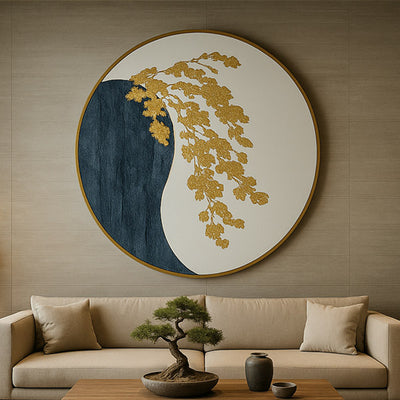
If you want people to think more broadly, choose artwork that doesn’t tell them exactly what to think. Abstract pieces are useful because they encourage interpretation: viewers naturally look for patterns, meaning, and relationships. That mental habit transfers well into brainstorming and problem-solving.
Focus on pieces that feel intentional balanced composition, clear movement, and a palette that doesn’t overwhelm the room. One large focal piece often works better than several smaller pieces that compete. If you’re adding an internal link naturally, this is the perfect point to reference abstract art as a category that supports open-ended thinking.
2. Using Nature Imagery to Support Calm, Clear Problem-Solving
When people are overloaded, creativity tends to shrink. In those cases, calming visuals can be more effective than bold “inspiration” messages. Landscapes, botanical prints, and softer colour palettes reduce visual tension and make a room feel less pressurised.
Nature imagery is especially helpful in:
quiet focus zones
wellbeing rooms
meeting spaces where conversations can get tense
If your team is stuck because stress is high, calming office art can help create breathing room, making it easier for people to think clearly rather than react quickly.
3. Using Process-Based Art to Encourage Iteration and Experimentation
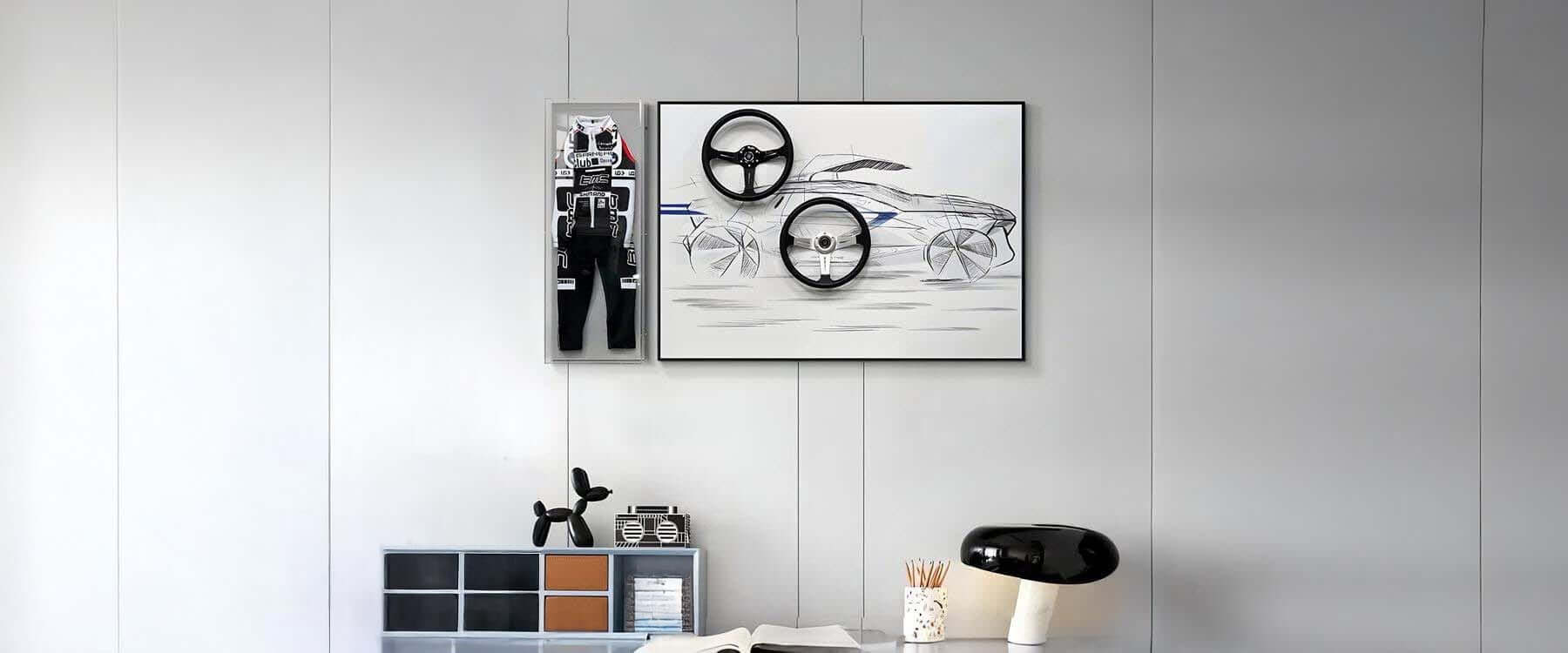
Some teams get stuck because the environment quietly demands perfection. If the walls only show polished, final outcomes, people may feel they can’t share early-stage thinking. Artwork that celebrates process sketches, drafts, architectural studies, typographic layouts can help reset that expectation.
It sends a subtle message: progress is built in stages. That’s valuable for teams who need to test ideas, learn quickly, and refine. This type of office art is particularly effective in studios, product teams, creative departments, and any space where experimentation is part of the job.
4. Using Playful Art to Reduce Pressure and Support Risk-Taking
Playfulness doesn’t mean childish. A single witty illustration or an unexpected visual can lower the emotional stakes in a room, helping people take creative risks. This is useful in collaboration zones where the goal is to generate options rather than judge them immediately.
The key is restraint. One playful piece can act as a pressure valve; too many can make the room feel cluttered and unserious. Choose something inclusive, workplace-appropriate, and unlikely to date quickly. Used sparingly, office art with warmth can change how people participate.

How to Choose Office Art for Different Workplace Areas
Choosing Art That Supports Focused Discussion and Decision-Making
Meeting rooms are where stuckness becomes visible: long pauses, cautious agreement, and ideas that never leave the “maybe” stage. Aim for pieces that support clarity and confidence. A strong focal artwork can anchor the room and reduce that “blank wall” stiffness that makes conversations feel formal.
Consider:
one statement piece for a clear visual centre
a calm series for steady, focused discussion
a tidy set of three (which looks structured and deliberate)
Avoid visuals that are overly busy. In meeting rooms, office art should add presence without stealing attention from the people speaking.
Choosing Art That Encourages Informal Collaboration
These spaces can handle more energy because they’re used for informal thinking. You can experiment with colour, mixed media, and curated groupings. Gallery-style arrangements work well if they feel planned: consistent frames, even spacing, and a clear theme.
If your workplace feels dull, breakout zones are a good place to introduce bolder office art because people aren’t trying to hold deep concentration there for long stretches.
Choosing Art That Supports Concentration and Deep Work
In focus zones, reduce visual noise. Choose calmer palettes, simple compositions, and pieces that support long attention spans. Minimal prints, subtle landscapes, and clean designs are usually easiest to live with daily.
If you can only improve one area first, upgrading office art in focus zones often delivers the quickest change in how a space feels.
Choosing Art That Builds Trust and Sets Expectations
Artwork here acts like a handshake. It signals care, professionalism, and taste. Prioritise pieces with strong composition and high-quality finishing. Even budget-friendly prints can look premium if the framing and placement are thoughtful. In these spaces, office art supports trust before anyone says a word.

How Colour Influences Focus, Energy, and Idea Generation
Colour affects mood, but you don’t need to turn your office into a colour theory project. Start with what’s already there walls, furniture, flooring then choose art that either complements it or adds one controlled accent.
For more energy, use warmer tones and stronger contrast (sparingly).
For calm and clarity, use cooler tones, softer gradients, and more negative space.
For cohesion, repeat one or two accent colours across several pieces rather than introducing ten different colours.
A practical tip: if a room feels flat, use office art to introduce colour first. It’s easier to adjust than paint, and it lets you test what actually works for the team.

Materials, Finishes, and Lighting: What to Know Before You Hang Anything
Presentation often separates “nice art” from “professional office”. Matching frames create instant cohesion. Matte finishes can reduce glare, while glossy finishes can look sharp but may reflect windows and screens.
In high-traffic areas, durability matters. This is a natural place to mention acrylic art once, as it’s often chosen for its crisp finish and easy maintenance in shared spaces like corridors, entrances, and reception zones.
Lighting also matters more than people expect. Poor lighting can flatten colours and make artwork look tired. If you can add a simple picture light, wall light, or even improve ambient lighting nearby, it can make the whole wall feel more considered.

Placement and Layout Basics: How to Hang Office Art Properly
Even the best office art looks wrong if it’s hung too high or spaced unevenly. Keep these habits consistent:
Hang pieces at a natural viewing height (so they’re easy to look at while standing).
Scale art to the wall and the furniture beneath it so it feels connected.
Keep spacing even across grouped pieces.
If you’re planning a gallery wall, lay it out first. Use the floor, paper templates, or masking tape guides. Planning takes 20 minutes and saves you hours of patching and re-hanging.

Common Office Art Choices That Can Reduce Creativity
If your goal is better ideas, avoid choices that shut people down:
generic motivational slogans that feel forced
overly literal “innovation” visuals that look like stock imagery
cluttered arrangements that distract rather than support thinking
anything divisive that makes people self-censor in shared rooms
The best office art creates an inviting tone, not pressure.

A Practical Decision Framework for Choosing Office Art
To choose confidently, run each piece through three questions:
Does it fit the purpose of this room?
Will most people be comfortable seeing it every day?
Does it look good from across the room and up close?
If the answer is yes, you’re likely choosing well. For a cohesive look across multiple spaces, modern art often works because it can feel current and professional without being too literal.

Conclusion: What to Remember When Using Office Art to Unlock Ideas
If your team feels stuck, it helps to treat the workspace as part of the solution, not just the backdrop. Visual environments influence how people think, talk, and take creative risks. When the room feels sterile or overly formal, it can push the team towards cautious, predictable ideas. Thoughtfully chosen office art can shift that tone by making the space feel more open, more human, and more supportive of exploration.
Start by identifying the type of creative block you’re seeing low energy, low confidence, repetitive thinking, or high stress because each one benefits from a different visual approach. Abstract pieces can prompt open interpretation, nature imagery can calm an overloaded team, process-based work can normalise experimentation, and a small touch of playfulness can lower pressure in collaborative spaces. From there, match artwork to the purpose of each area, whether it’s a meeting room, breakout zone, focus space, or reception.
Finally, treat presentation as part of the learning: colour choices affect mood, materials and lighting change how art is experienced, and correct placement makes everything feel deliberate rather than improvised. When you apply these principles consistently, you’re not simply decorating, you’re building a visual environment that supports clearer thinking and better idea flow.