






















































Table of Contents
- Understanding the Rise of Contemporary Gorilla Sculptures
- Why Gorilla Sculptures Create Such a Strong Emotional Impact
- Inside the Studio: How Gorilla Sculptures Are Made
- Artistic Styles and Character in Gorilla Sculptures
- Scale, Setting and the Visual Impact of Gorilla Sculptures
- Gorilla Sculptures in Public Spaces and Private Collections
- How Collectors Assess and Select Gorilla Sculptures
- Looking After Gorilla Sculptures: Care and Maintenance
- Conclusion: Exploring the Lasting Appeal of Gorilla Sculptures
- FAQs
Walk into any modern garden, gallery or public square and there’s a good chance you’ll meet one powerful figure again and again: Gorilla sculptures. From towering steel forms to finely detailed bronze studies, artists around the world are turning this iconic animal into a symbol of strength, vulnerability and wild beauty.
This piece takes you behind the scenes of that world. It steps into the studios, minds and methods of the artists who have made gorilla sculptures their signature subject. You’ll see how ideas move from rough sketch to finished form. You’ll also discover the spaces where these striking works finally come to life.
Understanding the Rise of Contemporary Gorilla Sculptures
Gorillas have appeared in art for decades, but the recent surge of gorilla sculptures in contemporary design and outdoor spaces is no accident. Several trends have converged:
A growing interest in wildlife and conservation
A desire for bold statement pieces in gardens, hotels and public plazas
Advances in materials and fabrication techniques
The popularity of dramatic, Instagram-friendly artworks
Sculptors have recognised that the gorilla is more than a muscular animal; it embodies power, family bonds and quiet intelligence. That blend of physical presence and emotional depth gives artists a rich subject to explore in three dimensions, and it explains why these sculptures appear in so many different settings. As public taste has shifted towards more expressive outdoor art, commissions featuring this great ape have increased steadily.
Why Gorilla Sculptures Create Such a Strong Emotional Impact
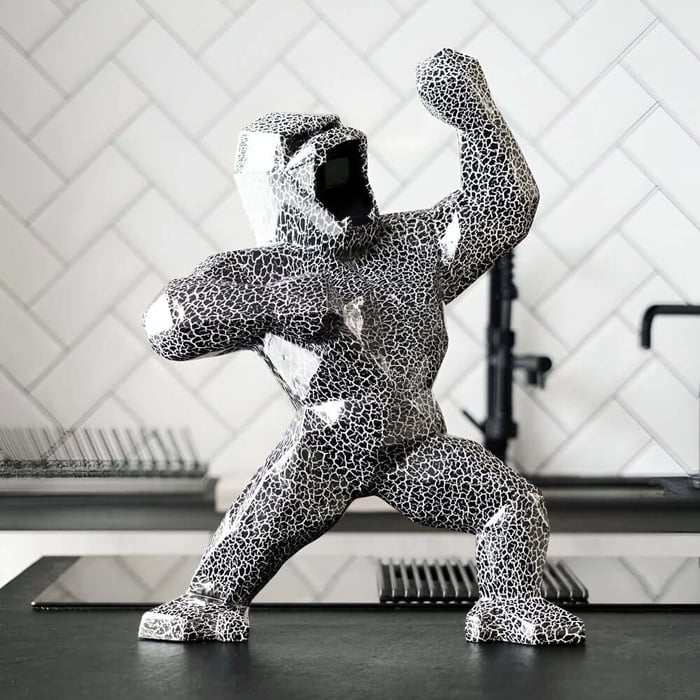
At first glance, a gorilla sculptures cast in metal or stone can feel intimidating. These works are heavy, solid and often larger than life. Look closer, though, and you start to see the small decisions that make them so compelling:
The tilt of the head that suggests curiosity
The tension in the shoulders hinting at protection or warning
The softness around the eyes that reveals gentleness
Contemporary sculptors play with all of these elements. Some emphasise raw strength, with broad chests and clenched fists. Others focus on tenderness, showing a gorilla cradling an infant or gazing thoughtfully into the distance. The result is a series of pieces that feel alive, not static, and that can change the atmosphere of a space with a single pose.
Because of this emotional range, gorilla sculptures can suit many different contexts. They can be playful in a family garden, dignified at the entrance to a business, or quietly moving in a conservation-themed space. In each case, the artist uses posture, expression and material to steer how the viewer responds. Designers often build planting, lighting and seating around a single figure, allowing it to become the emotional centre of the scene.

Inside the Studio: How Gorilla Sculptures Are Made
From Sketch to Maquette
Most sculptors begin with drawings and small clay models, called maquettes. These help them pin down the pose, proportions and character before committing to a full-scale piece.
They consider questions such as:
Is the gorilla standing, knuckle-walking or seated?
Should it meet the viewer’s gaze or look into the distance?
Does the posture feel tense, relaxed or contemplative?
For artists who specialise in this subject, this early stage is where personality is born. A slight twist in the torso or a subtle lean forward can completely change the mood of the finished work. Many sculptors keep shelves of old maquettes, referring back to them when planning new gorilla sculptures so that each design feels distinct but still part of a recognisable family of pieces.
Materials: From Bronze to Contemporary Metals
Once the pose is finalised, artists choose materials based on where the sculpture will live and what feeling they want to create.
Common options include:
Bronze: Timeless, durable and ideal for detailed texture, especially fur and facial features.
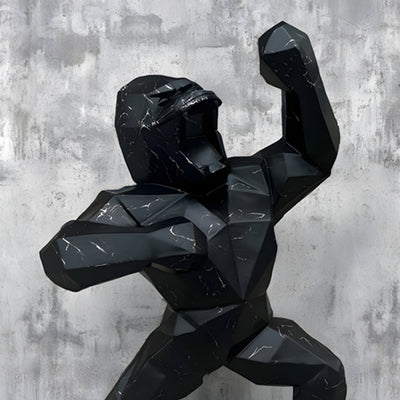
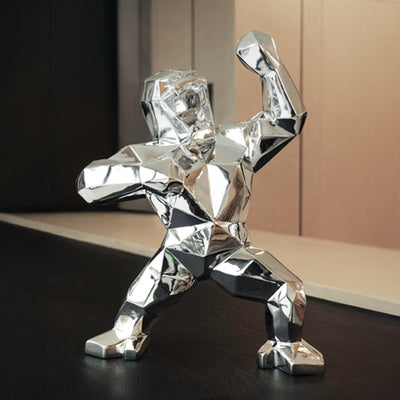
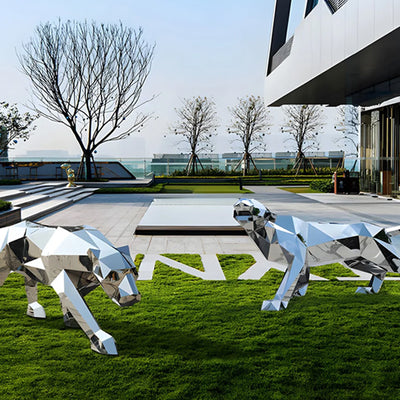
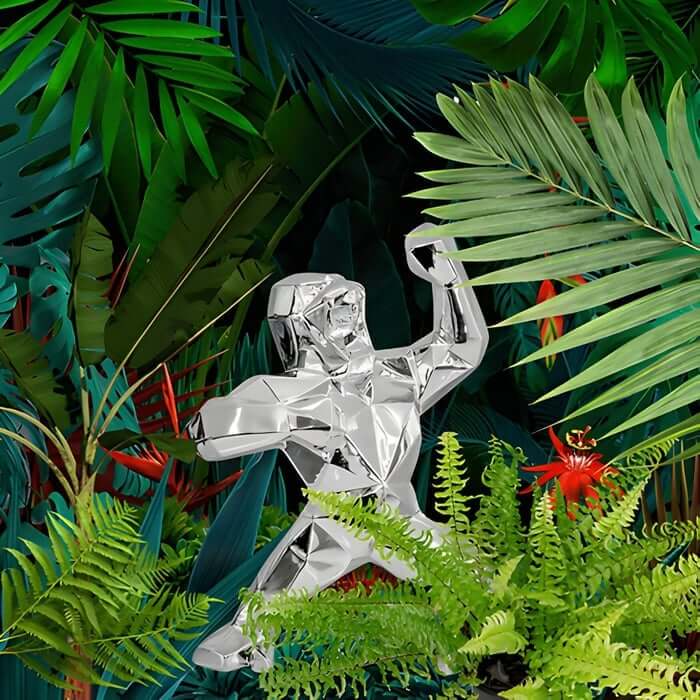
Stainless steel: Sleek, reflective and very modern, often used for stylised or geometric forms.
Corten steel: Develops a rust-like patina that blends beautifully into natural landscapes.
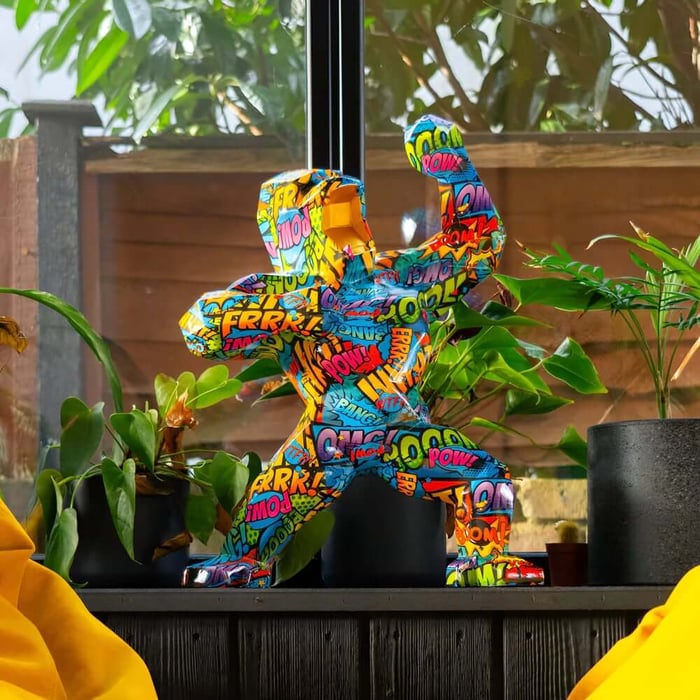
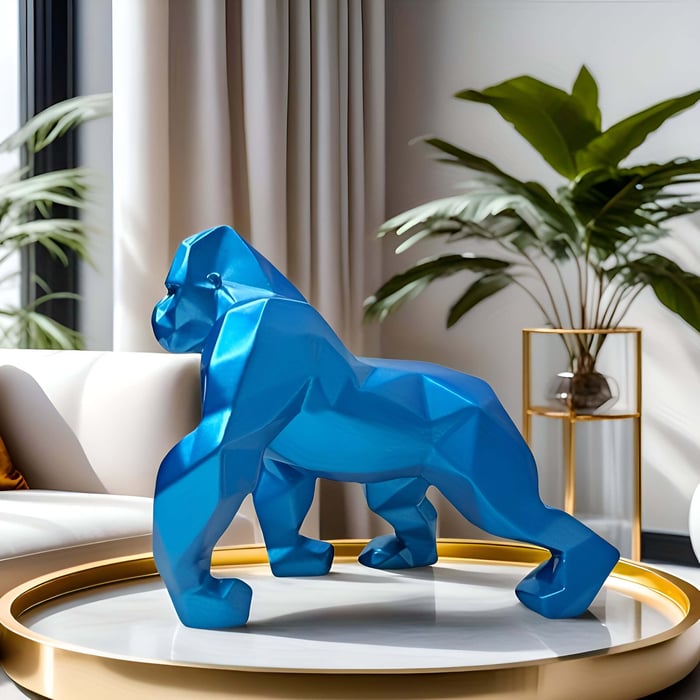
Resin and fibreglass: Lightweight and versatile, suited to bold colours and more experimental shapes.
Some artists combine several materials, using metal for structure and mixed media elements for eyes or inlaid details, adding a layer of surprise to their creations.
Finishing processes are just as important as structure. Patinas, paintwork and surface treatments can make the same design feel calm and subtle or loud and dramatic, so sculptors spend time testing how light will move across every plane and curve. In outdoor pieces, they also think about how rain, frost and strong sunlight will alter the surface over years, and they often work with specialists to achieve stable, long-lasting finishes.

Artistic Styles and Character in Gorilla Sculptures
Hyper-Realism vs Abstraction
Modern sculptors take very different approaches to the gorilla as a subject:
Hyper-realistic: pieces capture every fold of skin and strand of fur, often based on hours of observation and anatomical study.
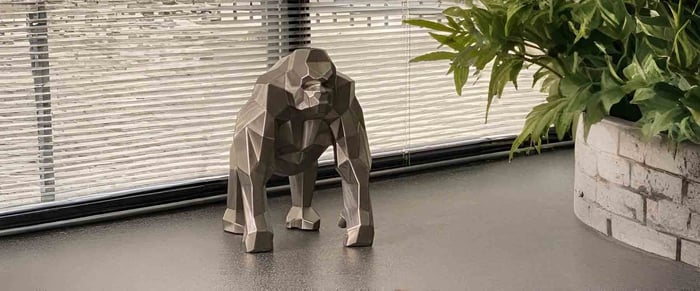
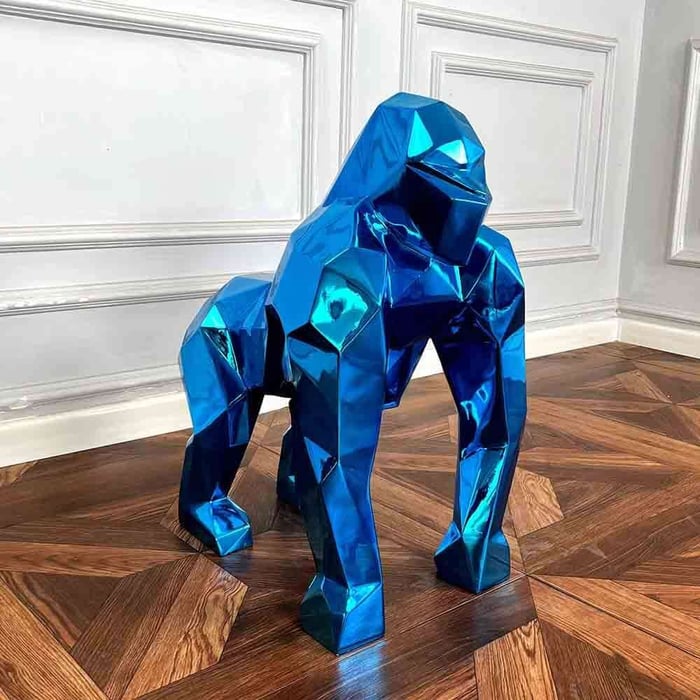
Abstract: interpretations reduce the animal to planes, curves and angles, focusing on movement and presence rather than strict accuracy.
Both approaches have their place. Realistic work can be intensely moving, especially when placed in naturalistic settings that echo jungle or forest habitats. Viewers often respond instinctively, treating the figure almost like a living creature sharing their space. More abstract gorilla sculptures, on the other hand, slot comfortably into minimalist gardens, hotel lobbies and corporate interiors, acting as design statements as much as animal portraits.
Some artists shift between these modes over time, creating one collection that feels documentary and another that is almost architectural. This flexibility keeps the genre fresh and encourages collectors to see gorilla-themed work as fine art rather than novelty décor.
Gesture, Emotion and Storytelling
The best pieces tell a story without a single word. A sculpture might:
Lean protectively over an invisible troop
Sit cross-legged as if in quiet thought
Beat its chest in a frozen moment of drama
These gestures create a bridge between human viewers and a wild animal. Many artists also use posture to comment on human behaviour: a slumped gorilla might hint at habitat loss, while a proud stance can celebrate resilience and strength. This combination of physical form and implied story is one of the reasons gorilla sculptures stay in the memory long after someone has walked past.
Sculptors sometimes echo famous photographs or wildlife documentaries, trusting that viewers will recognise the reference and bring their own feelings about conservation, family or power to the encounter.
Scale, Setting and the Visual Impact of Gorilla Sculptures
One of the first decisions a collector or designer has to make is scale. Contemporary artists deliberately work at different sizes to suit different spaces and moods.
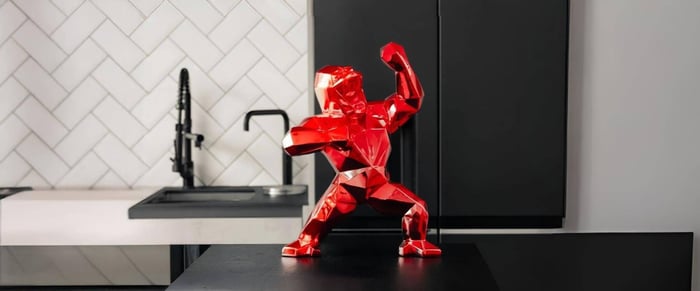
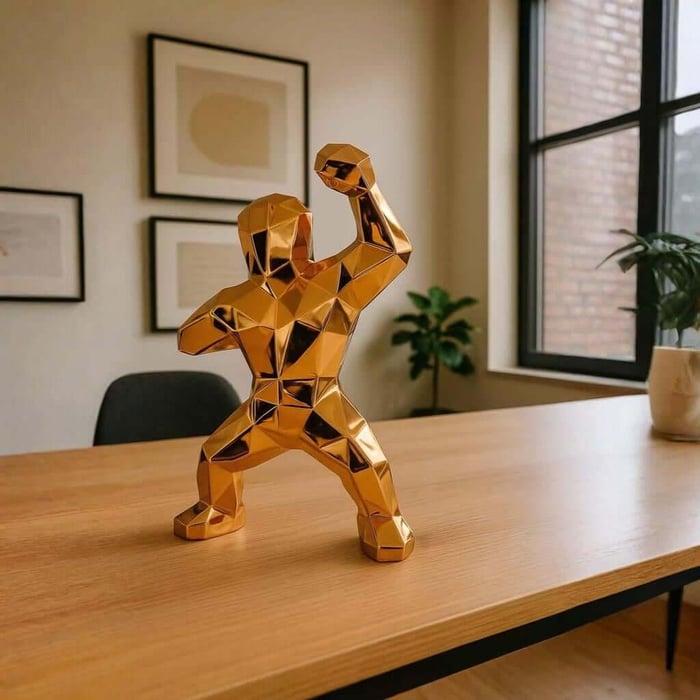
In a city flat or compact garden, collectors often choose small gorilla that can live on a plinth, console table or patio corner. These smaller pieces invite close inspection; viewers can stand just a few centimetres away and enjoy the modelling of the face and hands.
For courtyards, roof terraces and reception areas, many people look for striking yet manageable pieces, and some artists specialise in medium gorilla that hold a space without overwhelming it. These mid-sized works are ideal for placing near seating areas, paths or entrances where people naturally slow down, allowing time to notice subtle details such as hand position or facial expression.
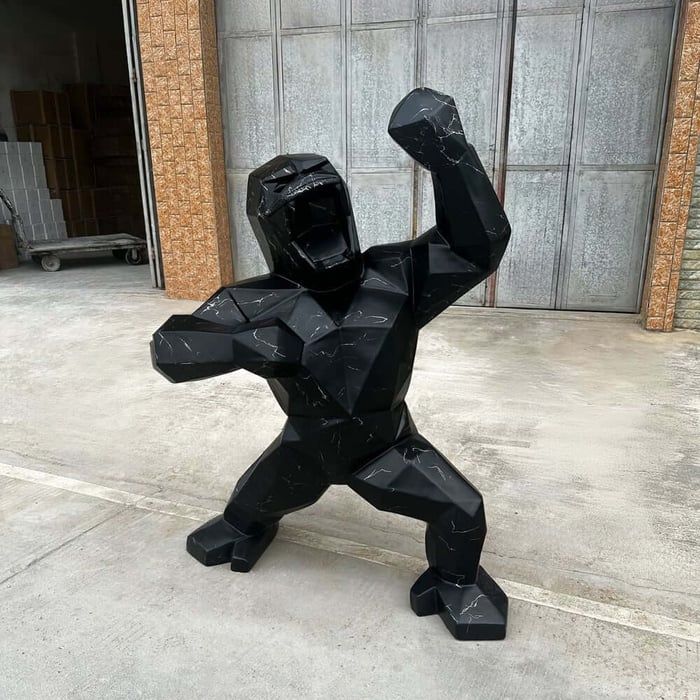
At the opposite end of the spectrum, a single large gorilla sculptures can define an entire landscape. On a lawn, beside a pool or in front of a building, it becomes a landmark and, inevitably, a backdrop for photographs. Sculptors designing at this scale pay careful attention to sightlines and how the silhouette reads from a distance so the figure remains recognisable and expressive from every angle. Lighting also becomes crucial; a well-placed spotlight can throw dramatic shadows that emphasise muscle and movement.
Gorilla Sculptures in Public Spaces and Private Collections
Walk through a sculpture trail, zoo, botanical garden or contemporary hotel, and these powerful figures often appear as focal points. Public art commissions rely on them for several reasons:
They appeal to all ages and cultures.
They photograph well, encouraging visitors to share images online.
They can carry messages about conservation without feeling heavy-handed.
In private collections, pieces can be more personal. Some owners choose a particular pose to remember a trip to Africa; others are drawn purely to the form, seeing echoes of human posture and emotion. Many contemporary sculptors also donate or collaborate with wildlife charities, reinforcing the link between art and environmental awareness and giving collectors another reason to support their work.
As more homes and businesses look for distinctive outdoor features, gorilla sculptures are increasingly seen as long-term investments that bring character to a setting as well as a talking point for guests.
How Collectors Assess and Select Gorilla Sculptures
Although this is not a shopping guide, it helps to understand how serious collectors and designers think when they look at new work. Common questions include:
Does the pose fit the space? A dynamic, mid-stride sculpture may suit a path, while a seated figure works well in a quiet corner.
What mood do I want? Playful, calm, fierce or contemplative?
How will the material age? Bronze develops a patina; polished steel stays crisp; painted resin may need occasional refreshes.
Is there a story behind the piece? Many people value knowing the artist’s inspiration and process.
Rather than simply matching a colour scheme, experienced buyers look for pieces that resonate emotionally and feel authentic to the artist’s style. When that happens, a sculpture becomes more than decoration; it turns into a companion that marks important moments and places in someone’s life. Buyers often follow the same artist over years, building a small series of related works that chart how the sculptor’s ideas about the gorilla have evolved.
Looking After Gorilla Sculptures: Care and Maintenance
Once installed, these works need a little care to stay at their best. The specifics depend on the material, but a few general principles apply:
Keep surfaces free of leaves, soil and standing water.
Follow the sculptor’s guidance on waxing, sealing or cleaning.
Check fixings and foundations regularly, especially for tall or exposed pieces.
Be mindful of lawn equipment or hard objects that might chip or scratch the finish.
Well-made pieces are designed to last for years, even decades, and many become cherished features that outlive the planting schemes around them. A small amount of regular maintenance will help preserve both the structure and the subtle details that give each figure its character. Owners who keep simple records of when treatments were applied or checks were carried out often find it easier to care for their sculptures over the long term.
Conclusion: Exploring the Lasting Appeal of Gorilla Sculptures
FAQs
What size gorilla sculpture should I choose for my space?
Start by measuring the area and deciding whether you want a subtle accent or a main focal point. As a rule of thumb, leave at least 60-90 cm of clear space around the sculpture so it doesn’t feel cramped or overpowering.
Can a gorilla sculpture stay outside all year round?
Yes, as long as it’s made from weather-resistant materials such as bronze, stainless steel, Corten steel or properly sealed resin. Check the maker’s guidance, but most outdoor pieces are designed to cope with rain, frost and sun with only minimal care.
Which material is best for a gorilla sculpture?
Bronze is ideal if you want something timeless with rich surface detail and a natural patina over time. Stainless steel gives a sleek, contemporary look, while resin or fibreglass works well if you’re after bold colours and a lighter piece that’s easier to move.
How do I maintain a gorilla sculpture once it’s installed?
Usually, all that’s needed is a gentle wash with mild soap and water a few times a year, plus any waxing or sealing the artist recommends. Keep debris off the base, and check fixings or foundations occasionally, especially if the sculpture is in an exposed spot.
Can I order a custom gorilla sculpture in a specific pose or finish?
Many artists do take on commissions, allowing you to choose pose, size, material and patina or colour. It’s best to discuss your ideas, timescale and budget upfront so the sculptor can design a piece that suits your space perfectly.