

























The Hunt for the World's Biggest Teddy Bear
Some things scale up beautifully. A ten-centimeter teddy is adorable. A two-meter teddy is something else entirely. It stops people in their tracks. It becomes a photograph. It becomes a memory. And once you start asking who actually owns the title for the Biggest Teddy Bear ever made, the answer goes well past anything you'd fit through a front door.
The world's Biggest Teddy Bear isn't just a novelty, it's a category, a genre of spectacle, a recurring human fascination. Over the last century, people have competed to build bigger and bigger teddy bears, culminating in record-breaking giants recognised by Guinness World Records. Stuffed animals have grown from children's toys into monumental statement pieces that fill entire rooms.
This guide answers the question you came here for, how big is the world's Biggest Teddy Bear, and then takes you much further. We'll look at the current and historical record-holders, the biggest stuffed animals ever made beyond teddy bears, why people keep making bears bigger, where giant teddy bears come from, and, crucially, what the options are if you want a giant bear of your own at home. Because there's a lot more to the 'giant bear' world than supersized plush.
At Giant Sculptures, we make life-size bear statues up to full human height and beyond, a different kind of 'giant bear' than the stuffed variety, but one that delivers the same visual impact and lasts decades longer. More on that later in the guide.
The Current Guinness World Record
The official Guinness World Records title for the Biggest Teddy Bear has changed hands several times. As of the most recent verified record, the world's Biggest Teddy Bear is believed to be one produced by Dana Warren in 2008 in Exeter, Maine, USA. That bear measured 55.64 metres (182 feet, 6 inches) from nose to toe, longer than most commercial aircraft.
To give that scale real weight: a typical adult human is around 1.7 metres tall. Warren's bear was approximately 33 times longer than an average person. It was not a bear you could cuddle. It was a bear you could climb inside.
More conventional 'giant teddy bears', the kind that might end up in someone's living room, still reach extraordinary sizes. Commercial giant teddy bears from major retailers typically top out at 2-3 metres (around 7-10 feet), with specialist makers occasionally producing pieces up to 4-5 metres for commercial installations.
Note: Guinness records change periodically. If you want the very latest record for the Biggest Teddy Bear title, the Guinness World Records website (guinnessworldrecords.com) has the most current data.
How Big Is the World's Biggest Teddy Bear? (At a Glance)
Here's a summary of the major contenders for Biggest Teddy Bear honours throughout the 21st century:
- 55.64m (182 feet), Dana Warren's giant teddy bear, Exeter, Maine, 2008, considered the Biggest Teddy Bear ever produced
- 23m (75 feet), the 'Super Big Bear' promotional inflatable created for various product launches
- 13m (43 feet), various exhibition and festival bears produced over the past decade
- 3-5m, the size range of most 'commercially available giant teddy bears'
- 2-2.7m, the size range of teddy bears sold at major retailers (Costco, Hamleys, etc.) labelled as 'giant'
- 1.5-2m, life-size bear statues like those at Giant Sculptures
- 0.5-1m, what most people think of as a 'big teddy bear'
- 30-50cm, standard commercial teddy bear size
The gap between 'home-sized giant' and 'record-breaking giant' is enormous. Nobody is putting a 55-metre bear in their living room. The practical upper limit for a Biggest Teddy Bear contender that actually lives with you is somewhere around 2.5 metres for plush, or slightly smaller for a life-size statue.

The History of Giant Teddy Bears
Teddy bears themselves are only about 120 years old. The name dates to 1902, when US President Theodore 'Teddy' Roosevelt famously refused to shoot a bear cub on a hunting trip. The political cartoon of the incident inspired Brooklyn shopkeeper Morris Michtom to name his stuffed bears 'Teddy's Bears.' At the same time, the German firm Steiff, led by Margarete Steiff, was producing similar bears, and the modern teddy bear emerged from these parallel origins.
For the first several decades, teddy bears stayed teddy bear-sized, 20 to 40 centimetres, appropriately scaled for a child's arms. The pursuit of bigger bears started later, and accelerated dramatically from the 1970s onwards, paving the way for the Biggest Teddy Bear competitions to come.
The Rise of Novelty Giant Bears (1970s-2000s)
As promotional and novelty merchandising grew in the late 20th century, giant stuffed bears emerged as a category. Department store displays featured bears too large to lift. Carnivals offered impossibly huge bears as prizes. Costco, a retailer that would later become synonymous with giant plush, introduced its famous 2.3-metre plush bear in the early 2000s, turning the giant teddy bear into a viral purchase and a regular Valentine's Day gift.
The Record-Breaking Era (2000s-Present)
With the rise of internet virality, the race for the Biggest Teddy Bear title became a media event. Dana Warren's 55.64-metre bear in 2008. Chinese manufacturers competing for records. Exhibition bears unveiled at festivals and museums. Charity bears stitched by communities to raise money. The 'Biggest Teddy Bear' tag became a rolling title, contested every few years.
The Giant Bear Statue Era (2010s-Present)
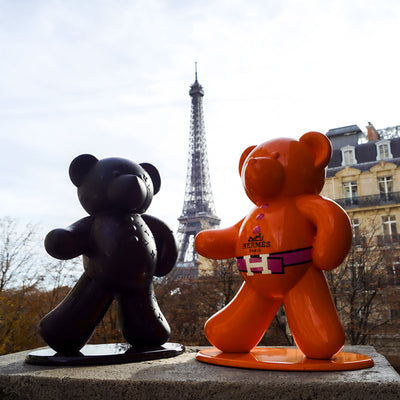
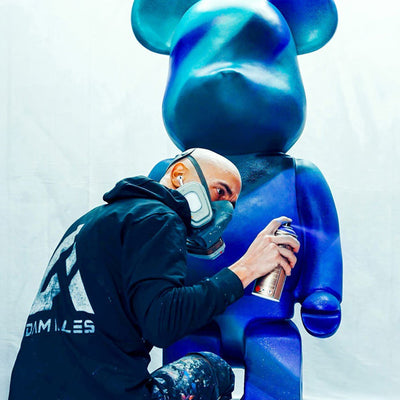
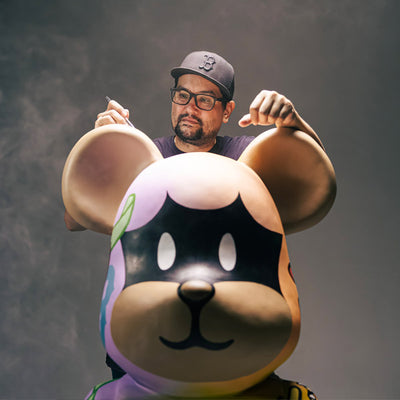
At the same time, a parallel tradition emerged, giant bears made not from plush but from resin, fibreglass, stainless steel and other durable materials. Contemporary artists like KAWS created large-scale bear sculptures that commanded serious prices. Designer brands produced 'art toy' bears at statement sizes. Companies like Giant Sculptures began making life-size and larger designer bear sculptures for homes, offices, commercial spaces and gardens, bears with the visual scale of the giant plush bears, but with the durability and design-grade finish of fine art.
The World's Biggest Stuffed Animals (Beyond Teddy Bears)
The Biggest Teddy Bear isn't the only giant stuffed animal record in the world. The broader category of 'world's largest stuffed animal' has been contested by creatures far beyond bears.
Record-Breaking Non-Bear Stuffed Animals
- Giant stuffed elephants, up to 6 metres, produced for festivals and charity events
- Massive stuffed rabbits, including several record-breaking Easter bunnies of 3-4 metres
- Enormous stuffed dogs, 2-3 metre commercial plush versions are popular at Costco and similar retailers
- Giant plush dragons and mythical creatures, popular for theme parks and events
- Oversized stuffed cats, a growing category in Asian markets
What Makes Them 'Stuffed Animals' Rather Than Sculptures?
The line between 'stuffed animal' and 'soft sculpture' is fuzzy. Traditionally, a stuffed animal is made from fabric (often plush) with soft filling (polyester fibre, cotton, or similar), intended to be huggable. Once a piece becomes too large to lift, or shifts to harder materials for structural reasons, it starts moving into 'sculpture' territory.
For practical home use, plush stuffed animals have a size ceiling of around 2.5 metres. Above that, they become unwieldy, hard to move, hard to clean, hard to position. This is one of the reasons life-size bear sculptures have grown in popularity: they deliver the scale of a Biggest Teddy Bear contender without the practical problems of giant plush.
Why Are Giant Teddy Bears So Popular?
Why do people keep buying, making and being fascinated by giant teddy bears? There are several interlocking reasons behind the appeal of the Biggest Teddy Bear category.
1. The Spectacle of Scale
Humans are hard-wired to notice things that are bigger than expected. A Biggest Teddy Bear contender defies the normal relationship between object and human. We expect bears to be small, and when they're not, it's genuinely arresting. This is why giant teddy bears make such memorable gifts, commercial displays and photo opportunities.
2. The Emotional Weight of Childhood
Teddy bears carry enormous emotional weight. They're tied to childhood, comfort, safety, bedtime, first friendships. A giant version of something small and personal is powerful, it amplifies the feeling. For many people, receiving a giant teddy bear is receiving a giant dose of the feeling that a teddy bear evokes.
3. The Instagram Factor
Giant teddy bears are Instagram gold. They photograph dramatically, they provide an obvious sense of scale, they're instantly recognisable. The Costco giant teddy bear became a cultural phenomenon partly because it was so photogenic, every bear ended up on social media tagged as somebody's Biggest Teddy Bear moment.

4. Gift Statement
Giving a giant teddy bear says something that a normal-sized bear can't. It says 'I chose something unreasonable.' It's a romantic gesture, a gag gift, or a statement of effort. Valentine's Day, proposals, big anniversaries, the Biggest Teddy Bear you can find has become a gift cliché for exactly this reason.
5. Interior Statement Pieces
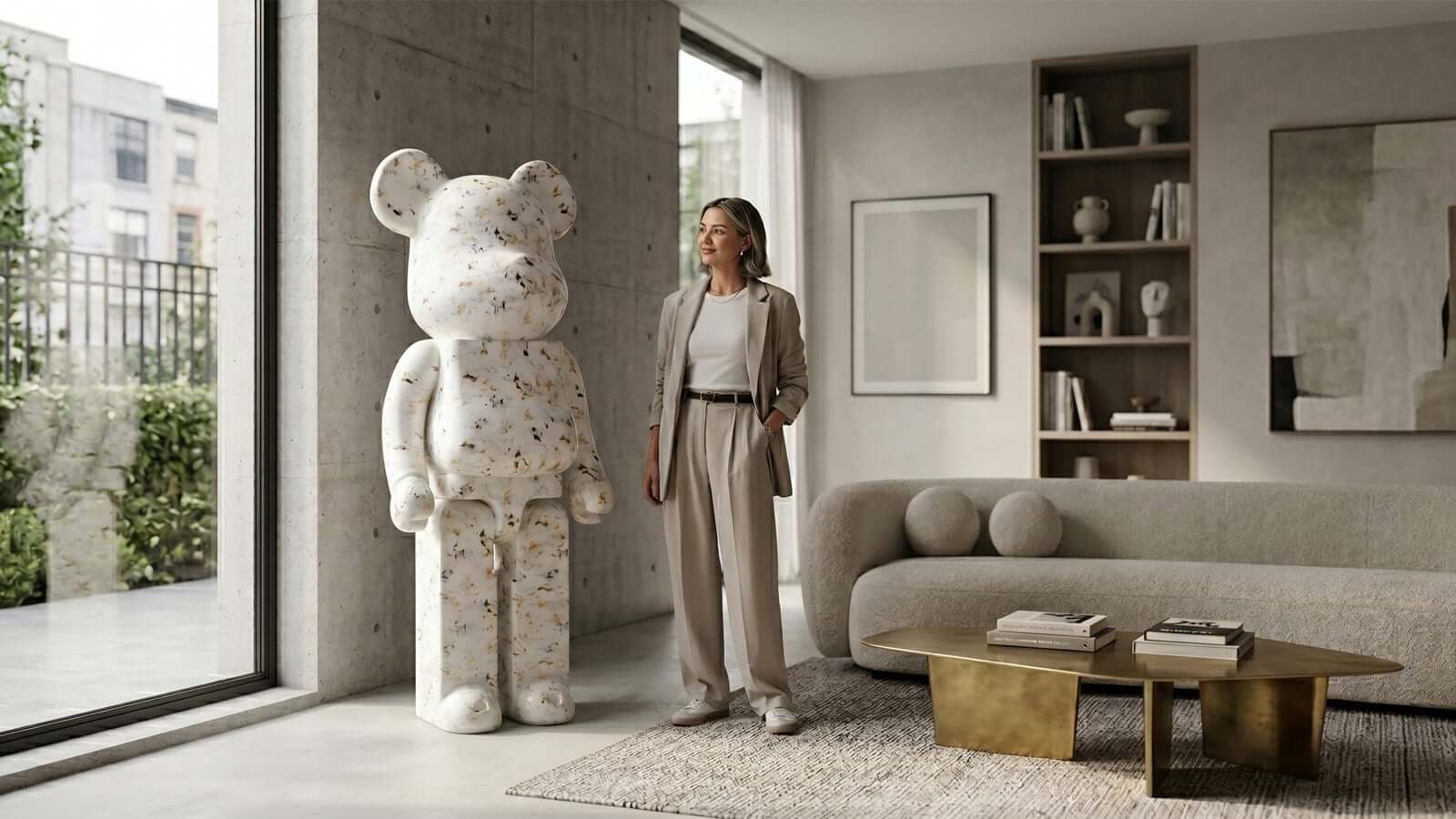
Increasingly, giant bears are collected as interior statement pieces, not as toys, but as design objects. A life-size bear sculpture in a modern living room does the same work as a piece of large-scale art: it anchors the space, it becomes the conversation piece, it defines the room. For this use, plush bears have largely been replaced by sculptural bears, which don't attract dust, can survive children and pets, and are made to last for decades.
Where to Buy a Giant Teddy Bear
If you're looking to buy a giant teddy bear, here are the main categories of options, along with the pros and cons of each.
Costco Giant Teddy Bears
Costco's giant teddy bear, standing around 2.3 metres (7.5 feet), has become the default 'giant teddy bear' in North America and the UK. It's soft, affordable (usually around £150-£200), and widely available. The downside: it's plush, which means dust, staining, and eventual wear. Also, the bear is seasonal. Costco typically only stocks it around Valentine's Day, and it regularly sells out.
Specialist Giant Plush Makers
Several companies specialise in large-scale plush bears, Vermont Teddy Bear, Steiff (for higher-end pieces), and various Asian manufacturers serving online marketplaces. Specialist makers often produce contenders for the Biggest Teddy Bear you can buy off the shelf, up to 3-4 metres, and offer customisation (colours, accessories, branding).
Online Marketplaces
Amazon, eBay and similar marketplaces sell giant teddy bears at a huge range of sizes and quality levels. Quality is variable, some are excellent, some are poorly made and lose their shape quickly. Read reviews carefully and be sceptical of photos (sellers often use deceiving angles to make bears look bigger).
Life-Size Bear Sculptures
The alternative to plush is a life-size bear sculpture. At Giant Sculptures, we create life-size and oversized bear statues in resin, designed to have the visual impact of the Biggest Teddy Bear in plush form, but built to last decades. These bears don't attract dust, don't wear out, and function as serious interior design pieces. More on this in the next section.
Life-Size Bear Statues: The Alternative to Plush
Over the past decade, life-size bear sculptures have emerged as a serious alternative to giant plush teddy bears. Here's why more and more people are choosing them.

Why Choose a Bear Sculpture Over a Plush Bear?
1. Durability
A quality plush teddy bear, even a top-end one, has a lifespan of 5-10 years in a home with children or pets. A life-size resin bear sculpture lasts decades. It doesn't lose stuffing, doesn't get matted, doesn't collect pet hair the way plush does.
2. Design Quality
Giant plush bears are toys. They look like toys. A life-size bear sculpture, designed by artists and hand-finished, has the visual sophistication of a piece of art or design-grade furniture. In a contemporary interior, a sculptural bear works. A plush bear can look out of place.
3. Resale and Investment Value
Plush bears depreciate almost immediately. Designer sculptural bears, particularly limited editions from recognised makers, hold value and often appreciate. A well-chosen sculptural bear is an asset, not just a purchase.
4. Variety of Styles
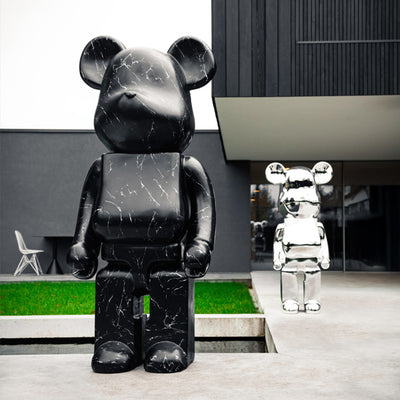
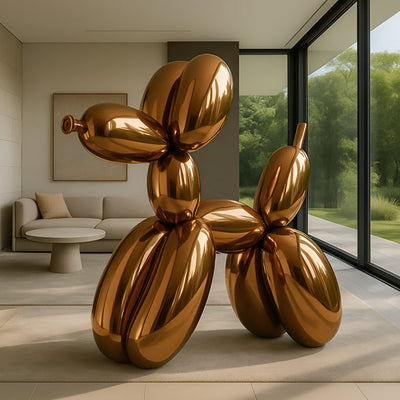
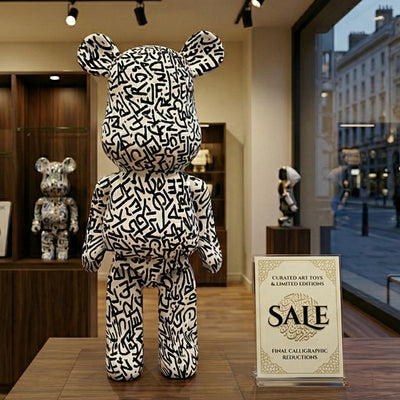
Plush bears are plush bears, they mostly look the same. Sculptural bears come in vastly more styles: classic teddy bears, designer bear statues (like our KAWS-style Iconify bears), Bearbrick-style art toys, life-size grizzlies, contemporary abstract bears, marble or metallic-finish bears, and more.
5. No Cleaning Headaches
A plush bear needs regular cleaning, and cleaning a 2-metre teddy bear is genuinely difficult. A resin bear sculpture just needs an occasional wipe with a damp cloth.
The Giant Sculptures Range
At Giant Sculptures, we make bear statues across every size category, all hand-finished in the UK. Our bear sculpture collection includes:
- Small bear sculptures, 30-60cm tabletop pieces
- Medium bear sculptures, 60-100cm display pieces
- Large bear sculptures, 100-150cm statement pieces
- Giant bear sculptures, 150cm and above, life-size and larger bears
Our giant bear sculptures deliver the scale and impact of a 2-3 metre plush teddy bear, with the durability, design quality and long-term value of a serious sculpture. Hand-made in the UK, finished to order, shipped worldwide.

Giant Bears for Every Space
Different spaces need different kinds of bear. Here's our quick guide to choosing the right giant bear for your specific setting, whether you want a modest piece or a personal Biggest Teddy Bear moment.
Living Room
In a living room, the ideal giant bear is a medium-to-large sculptural piece (80cm-150cm) that serves as a statement without dominating. It should sit in a corner, beside a sofa, or against an empty wall, creating visual interest without blocking circulation. A plush giant bear in a living room usually feels juvenile; a sculptural bear with a designer finish looks intentional.
Children's Room or Nursery
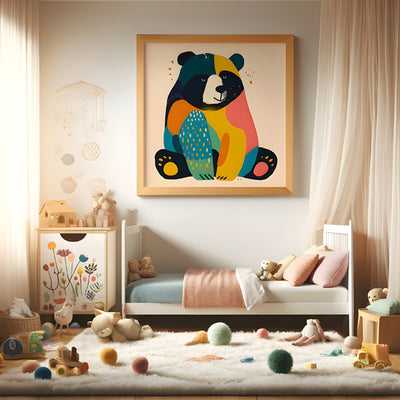
For a child's room, a plush giant bear is often the right call, it's soft, huggable, non-intimidating. Aim for 1-1.5 metres (smaller than the Biggest Teddy Bear options, but still impressive). Make sure it's non-toxic, well-stitched, and from a reputable maker. Placement should be against a wall where it can't fall onto a sleeping child.
Commercial Spaces (Shops, Hotels, Offices)
Commercial spaces benefit from sculptural giant bears, they need pieces that survive high traffic, don't wear out, and deliver strong visual branding. Life-size designer bear sculptures are increasingly used as photo opportunity anchors in hotel lobbies, retail stores and creative offices.
Garden or Outdoor Space
Plush bears can't go outdoors, they ruin in weeks. For outdoor giant bears, you need weather-resistant sculptural pieces. Resin and stainless steel both work well outdoors if properly finished.
Large Loft or Open-Plan Interior
Large open spaces absorb scale, a 1.5-metre bear that would be overwhelming in a small living room can look modest in a warehouse conversion. For lofts and open-plan interiors, go bigger, 1.5 to 2 metres, and treat the bear as sculpture, not novelty. This is where your personal Biggest Teddy Bear contender can really land.
The Biggest Bear for Your Space
The world's Biggest Teddy Bear holds a Guinness World Record and stretches over 55 metres. Most of us will never see it in person, and none of us will put it in our homes. But the fascination with giant bears, the scale, the impact, the statement, is something you can absolutely bring home.
Whether you're looking for a plush giant teddy bear for a child's room, a designer bear sculpture for a contemporary interior, or a life-size bear statue for a garden or commercial space, the options have never been better. At Giant Sculptures, we specialise in the sculptural end of the giant bear world, designer bear statues hand-made in the UK, ranging from tabletop pieces to life-size and larger. Browse our full bear sculpture collection to find your own Biggest Teddy Bear answer for the space you have.